
All articles
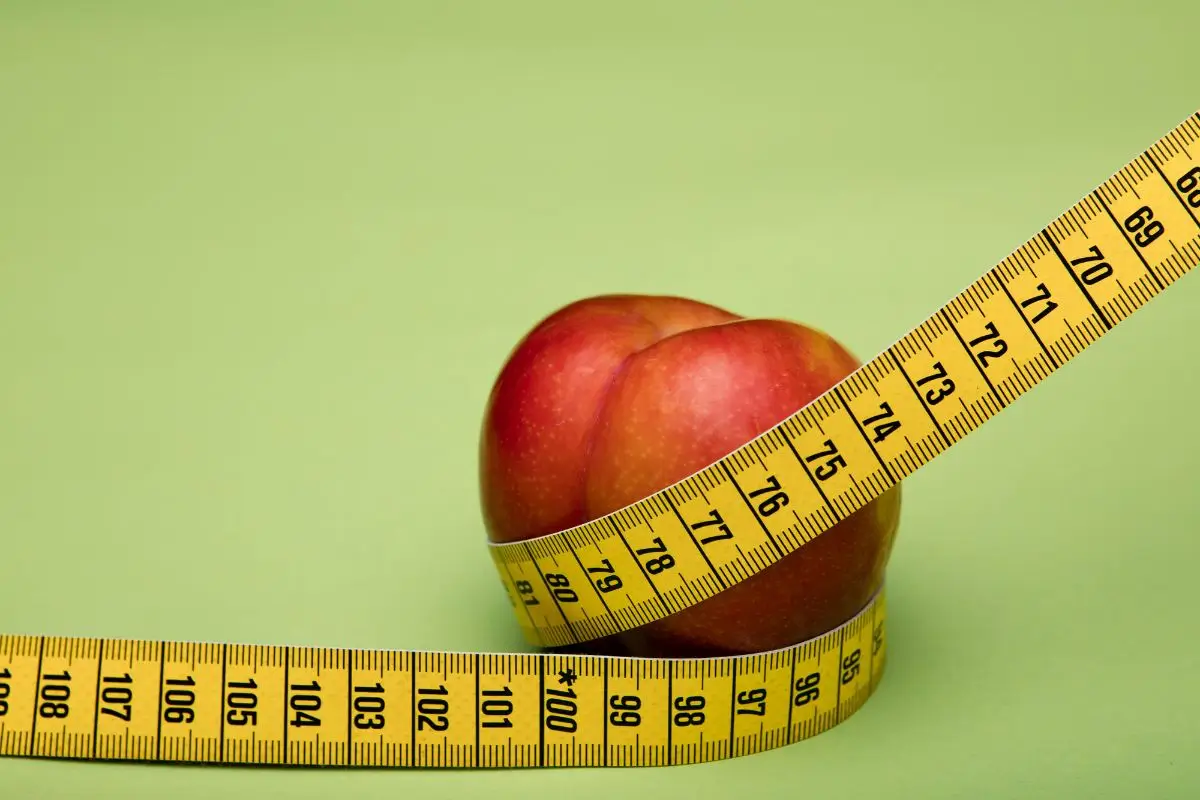

Get rid of belly fat – why it accumulates around the stomach and how you can reduce it
Many people want to get rid of belly fat for aesthetic reasons, but the health benefits of reducing your waist circumference are significantly more important. A waist circumference over 80 cm for women and 94 cm for men increases the risk of both type 2 diabetes and cardiovascular disease. In this article, we explain what belly fat is, why it often accumulates around the stomach, and which changes can reduce waist circumference in a healthy way.

.webp)
Weight Loss Injection Treatment – How Does It Work?
Weight loss injections have emerged as an evidence-based medical treatment for obesity and overweight. By mimicking the body's natural hormones, these prescription medications help regulate appetite and support sustainable weight management. In this guide, we explore how injectable weight loss treatments work, who is eligible, and what to expect when combining them with professional medical support.
Stop eating candy to lose weight? – how to create a sustainable balance
Do you have to stop eating candy to lose weight? No, but if you eat a lot of sweets, it can be smart to cut down – it often makes weight loss easier. A total ban rarely gives sustainable results. Long-term health is about a balanced whole where nutritious food, satiety, and enjoyment all have their place. Here are tips for reducing sweets and building sustainable habits.
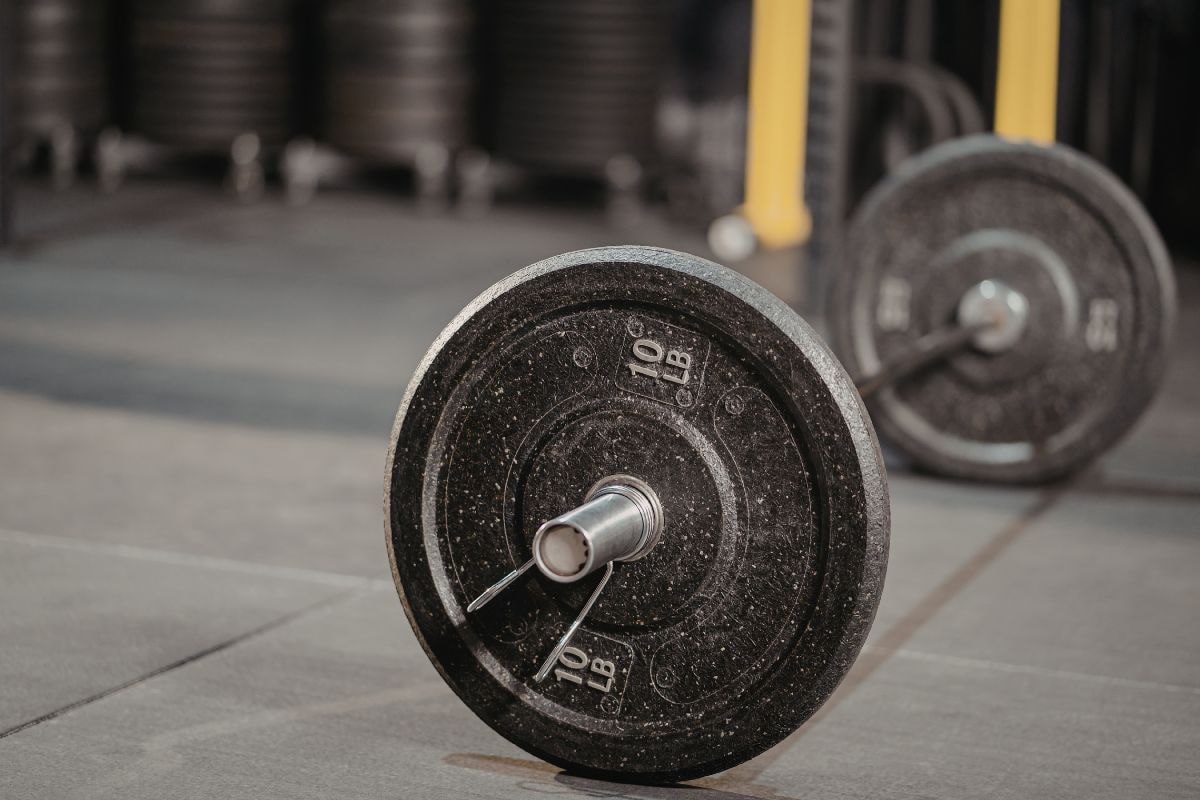
Barbell training for strength and muscle mass
Barbell training can be a simple and effective way to get started with strength training – whether you are a beginner or more experienced. With a few basic exercises, you train several major muscle groups and can adjust both weight and tempo after your daily form. Here you get practical advice on technique, common exercises, and how to train in a safe way.
.jpg)
Ozempic or Wegovy – what is the difference for weight loss?
Many people seeking help for overweight and obesity ask: Should I choose Ozempic or Wegovy? Since the names are often used interchangeably, it can be confusing. Here, we clarify the differences in efficacy, dosage, and purpose to help you understand the options.
.jpg)
What is "Ozempic face"? The truth behind the term and what you can do about it
The term "Ozempic face" has spread like wildfire across social media and news reporting. It refers to an appearance characterized by sunken cheeks, increased wrinkles, and saggier facial skin that is sometimes seen during treatment with medications such as Ozempic, Wegovy and Mounjaro. But is it the medicine itself that ages the skin? The answer is no. The phenomenon is a natural biological consequence of rapid and significant weight loss—regardless of which method you use.

Weight loss tablets: what actually works?
The market for weight loss tablets is large and often filled with bold claims about quick results. It’s important to understand the difference between over-the-counter supplements and prescription medicines with proven scientific evidence. There’s a big gap between them in terms of effectiveness, safety, and how closely they’re regulated.
If you’d rather avoid injections, there are now prescription tablet options that can help regulate appetite, reduce energy intake, and support weight loss. These medicines work through well-defined biological mechanisms and are used as part of a medical treatment plan for overweight or obesity.
Below, we walk you through the available tablet-based treatments, how they work, and who they might be suitable for.

Losing weight during menopause: a guide to lasting results
Many women notice that their body changes during menopause. More fat may gather around the stomach while muscle mass gradually decreases. But what is actually happening in the body, and how does it affect weight? In this article, we look at what research shows and which strategies may help if you want to lose weight during menopause.


Caesar salad – healthier, high-protein recipes
Caesar salad is a timeless favourite: crisp romaine lettuce, salty Parmesan and a creamy dressing with lemon and garlic. In this guide, you’ll see how to keep those classic flavours while making the salad more filling and higher in protein, using chicken, a lighter dressing and even a creative pizza-style option with a chicken base.

Rybelsus vs Ozempic: what’s the difference?
The main difference between Rybelsus and Ozempic is how the medication is taken. Rybelsus is taken as a tablet once a day, while Ozempic is given as a subcutaneous injection once a week.
Both medicines contain the active ingredient semaglutide, a GLP-1 receptor agonist that affects appetite regulation and blood sugar control.


Is Ozempic safe for weight loss?
Choosing medication to support weight loss is a big decision. It’s completely natural to want clear answers about safety and possible risks. Medicines like Ozempic and Wegovy have had a lot of media attention, and the information out there can feel mixed or confusing. To make a well-informed choice, it’s important to look at scientific evidence and individual medical assessment rather than headlines.

What happens if you stop taking Mounjaro?
Stopping Mounjaro often brings up a lot of questions. If you’ve been using it to support weight loss or improve your metabolic health, it’s completely natural to wonder what happens next.
Mounjaro is a prescription medicine containing tirzepatide. In the UK, it’s licensed for type 2 diabetes and weight management, alongside lifestyle changes. But what actually happens in your body when you stop treatment? Will the weight come back? And is it possible to keep the results long term?
.jpg)
Side effects of Ozempic and Wegovy: what’s common and what should you look out for?
Interest in medicines containing semaglutide, such as Ozempic and Wegovy, has grown quickly in recent years. With proven effects, it’s natural that questions about safety and side effects follow. How does the treatment affect your body? Is it safe? And what can you do if you feel sick, for example?
.jpg)
.jpg)
What happens if you stop taking Ozempic?
Stopping Ozempic can raise a lot of questions, especially if you’ve been using semaglutide to support weight loss or improve your metabolic health. What actually happens in your body? Will the weight come back?
In this article, we’ll look at what the research shows about what can happen when you stop taking Ozempic or Wegovy, and what can influence the outcome.
.jpg)
How do you get GLP-1 prescribed?
Thinking about weight loss medication and wondering what’s involved? You might have heard of Ozempic, Wegovy or Mounjaro, but feel unsure about how the process actually works. Here’s a clear guide to the criteria, the medical assessment and the usual steps before treatment can start, so you know what to expect.
.jpg)
Can you use GLP-1 while breastfeeding – what does the research say?
After pregnancy, it’s completely normal to want to focus on your own health again. At the same time, many people hear about GLP-1 medications such as Ozempic, Wegovy and Mounjaro as effective treatments for overweight and obesity. That often leads to questions about why these medicines aren’t recommended while breastfeeding.
The short answer comes down to your baby’s safety, limited research, and the fact that your body has different needs during this stage.
.jpg)
Why you shouldn’t use GLP-1 during pregnancy. How it can affect you and your baby
Pregnancy brings big changes to the body, so it’s completely natural to wonder what’s safe when it comes to medication. Can you use GLP-1 treatments like Ozempic or Wegovy while pregnant? Here, we’ll walk through what the research says, why these medicines aren’t recommended during pregnancy, and what to think about if you’re pregnant or planning to be.
.jpg)
What happens if you stop taking GLP-1?
Stopping GLP-1 treatment, such as Ozempic, Wegovy or Mounjaro, raises a lot of questions for people who’ve used it to lose weight. What actually happens in your body? Will the weight come back? Can you keep the results?
Here, we’ll walk through what the research shows about what tends to happen when treatment comes to an end.
.jpg)
Common side effects of GLP-1 medications and how to manage them
Side effects are common with GLP-1 medications, especially at the start of treatment or when the dose is increased. For most people, they are mild to moderate and tend to affect the stomach and gut. They usually ease as your body adjusts. With the right advice around food, fluids and dosing, discomfort can often be reduced so treatment can continue safely. Here we’ll walk through common side effects and practical tips to help.
%20(1).jpg)
GLP-1 for weight loss
GLP-1 has quickly become an important part of treatment for people living with overweight and obesity. If you’ve struggled for years with constant hunger, cravings or weight regain, this treatment can offer much-needed biological support. But how does GLP-1 actually work in the body, and why can it help with more sustainable weight loss? Here we explain how it works and who it may be suitable for.
