
Medical weightloss:
Inspiration and knowledge
Welcome to a place where insights and knowledge meet innovation!
For those interested in the latest developments in weight loss, obesity, health, and medicine, we have created an article collection. This curated material is your key to a deeper understanding and insights into an area that is constantly evolving and expanding.Whether you are a patient, healthcare provider, or simply interested in the field, our collection is a valuable resource. We are here to support you every step of the way!

Featured
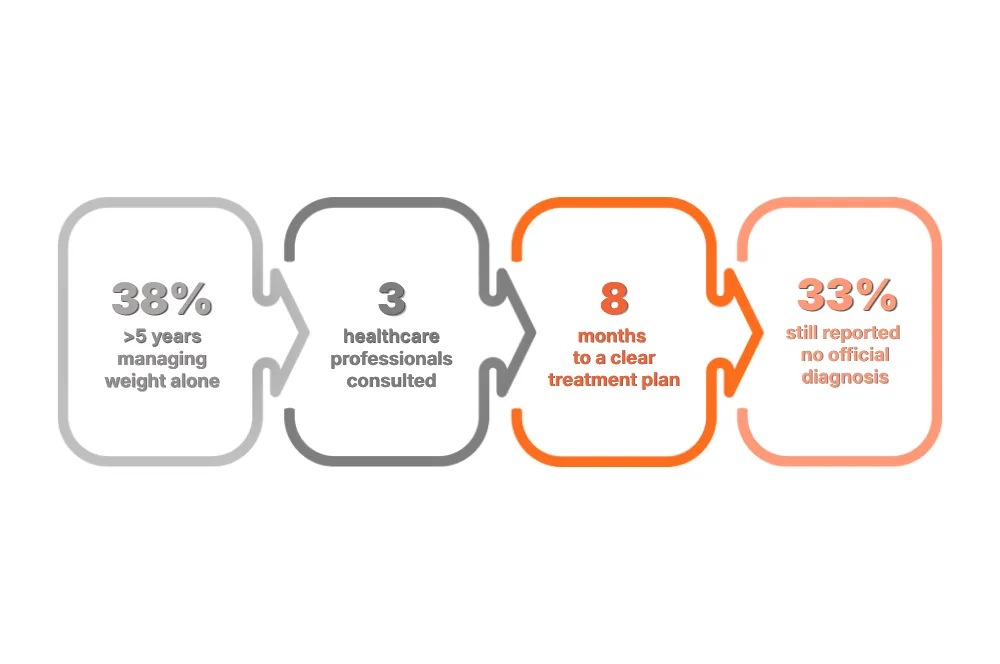
The Obesity Care Gap in Spain: Stigma, Delays and the Potential of Digital Care
A SEEDO-endorsed survey of 1,005 adults in Spain shows that obesity is still seen as a personal choice, and most people with obesity feel it is not sufficiently recognised as a disease. Many manage their weight alone for years before getting help, and the path to a clear treatment plan is slow and fragmented. Patients want multidisciplinary care alongside medication, and those who used telemedicine for obesity reported positive experiences.

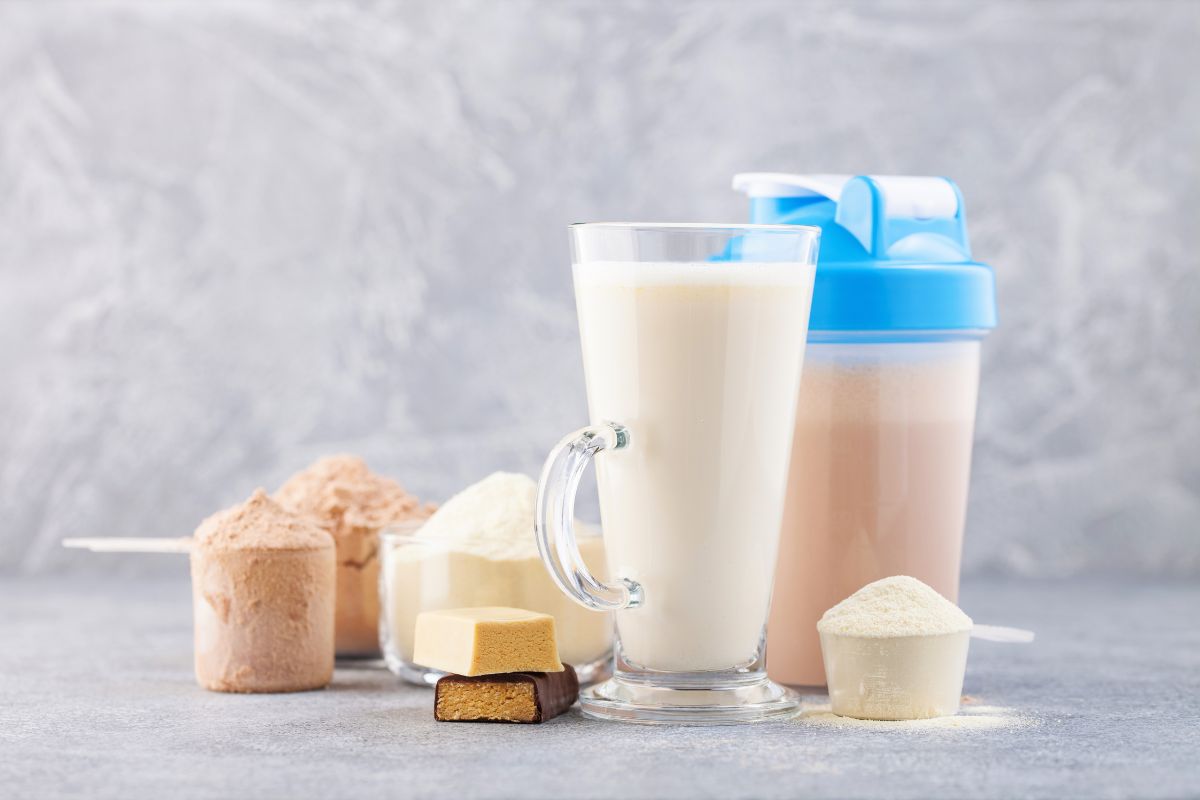
Meal Replacements for Weight Loss: Benefits and Drawbacks
Meal replacements can be a simple, practical way to support weight loss or help you maintain a stable weight over time. For some people, they can make it easier to establish regular eating habits, plan meals and manage calorie intake, even on busy days. However, meal replacements aren't suitable for everyone, and it's important to consider your individual needs and circumstances. In this article, we'll look at how to use meal replacements, their advantages and disadvantages, and when they might be a useful option for weight loss and long-term weight management.

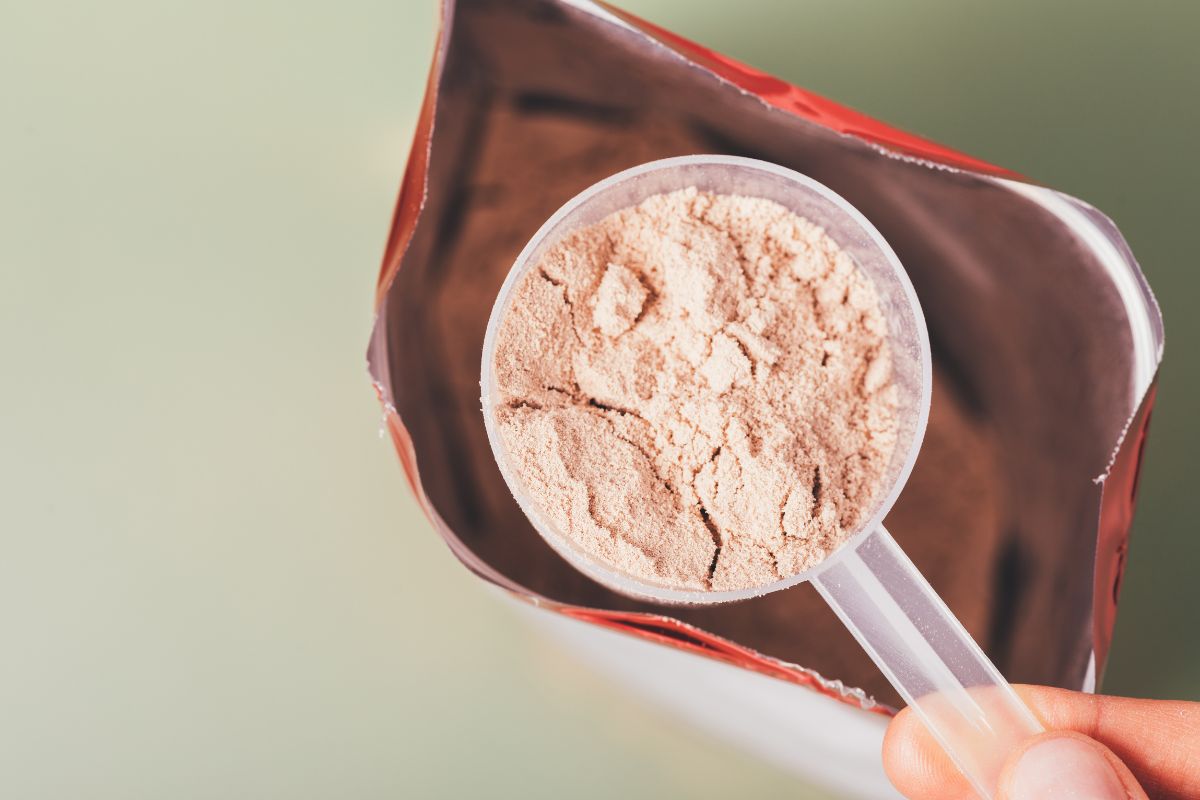
Protein Powder for Weight Loss: When, How and Who Is It For?
Protein powder can be a convenient addition to your diet when you're losing weight, especially if you find it difficult to get enough protein while eating less. It can be a simple, practical way to increase your protein intake when you're short on time or have a reduced appetite. However, protein powder isn't essential. Most people can get enough protein from everyday foods. In this article, we'll look at when protein powder might be useful, why protein matters during weight loss and what to consider when choosing a protein powder.
How Much Protein Do You Need Each Day to Build Muscle?
Protein is one of the body's most important building blocks and, alongside strength training, plays a key role in maintaining and building muscle. But how much protein do you actually need each day to build muscle? Is everyday food enough, or do you need protein shakes? And do your protein needs change if you're trying to lose weight or as you get older?
In this article, we'll explore what the research says about protein requirements for strength training and weight loss, how to calculate your daily protein needs and which foods can help you get enough.
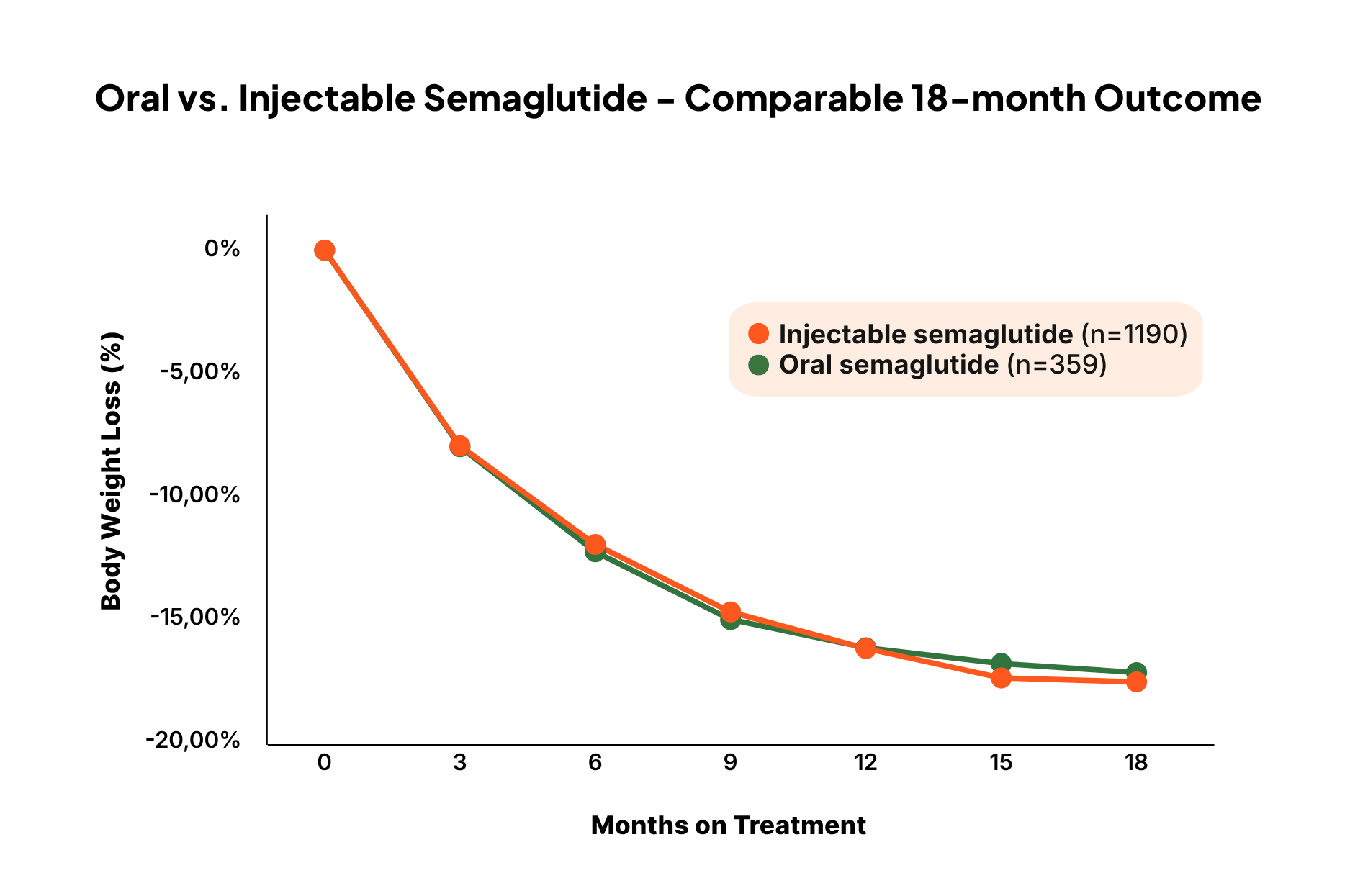
Oral and Injectable Semaglutide Show Comparable Effectiveness at 18 Months
In a real-world European cohort of 16,940 adults receiving semaglutide alongside comprehensive digital obesity care, oral and injectable treatment produced comparable 18-month outcomes. Mean body weight loss reached 18.0% with oral semaglutide and 18.5% with injectable semaglutide, with similar improvements in central adiposity and metabolic markers.
Medicine


Buying Ozempic online: important risks to be aware of
The illegal trade in weight loss medicines has increased significantly in recent years and poses serious health risks. Medicines sold through unregulated websites or without a valid prescription may be counterfeit, contain the wrong dose or include substances that are not listed on the packaging. Medicines bought outside the regulated UK medicines supply chain may also lack appropriate quality and safety controls.
Wegovy tablets for weight loss – what are they and how do they work?
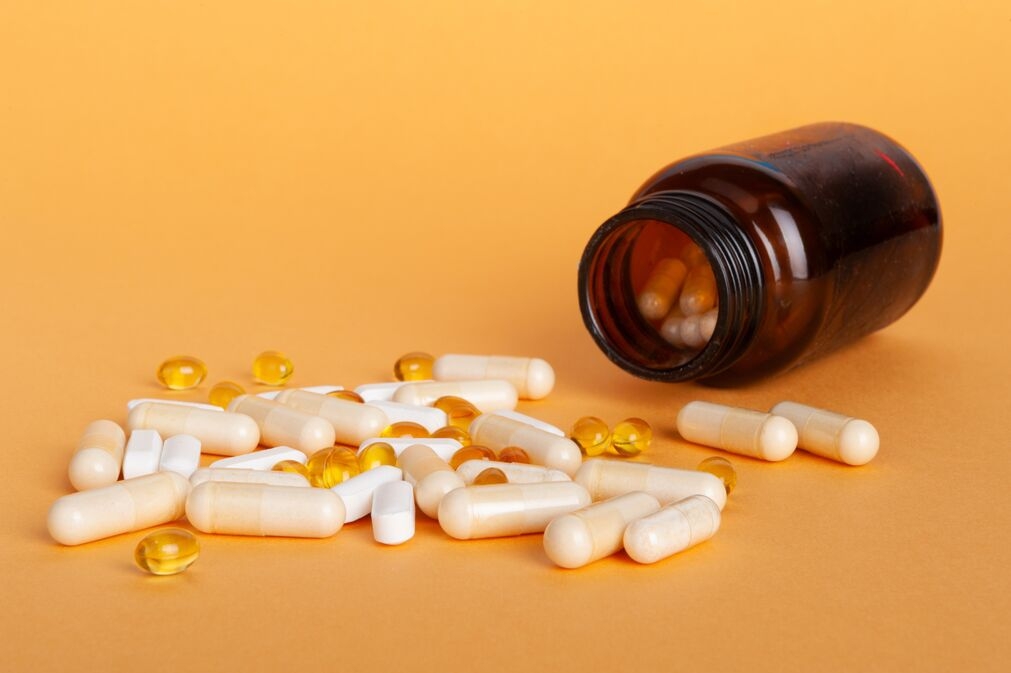
Wegovy tablets are the first oral GLP-1 treatment approved specifically for long-term weight management and cardiovascular risk reduction. By reducing hunger signals and quieting food noise, the tablets help people establish healthier habits through biological mechanisms.
Wegovy tablets are recommended for adults living with obesity, or with overweight and at least one weight-related health condition. Like injectable Wegovy, the tablets contain the active ingredient semaglutide, but the way the treatment is taken is different.

Semaglutide for weight loss: How the medical treatment works
Semaglutide is an active pharmaceutical substance used for obesity and type 2 diabetes. Clinical studies have shown significant effects on both weight and metabolic risk factors. Interest in treatment with semaglutide has increased in line with documented results and a growing role in modern obesity care.
Health and lifestyle

Weight gain after GLP-1 treatment – how to maintain weight loss long-term
Weight gain after stopping GLP-1 medication is common and is partly due to appetite regulation, hunger, and energy balance gradually returning to previous levels when treatment ends. Obesity is a chronic and complex disease where biological mechanisms affect hunger, satiety, and body weight over time.

Why am I not losing weight with hypothyroidism?
Losing weight with hypothyroidism can be perceived as more difficult, even with healthy lifestyle habits. An underactive thyroid means lower levels of hormones that regulate metabolism, which can affect energy expenditure and stamina. However, the effect on body weight is usually moderate and varies between individuals. When hypothyroidism is treated and hormone levels normalize, the conditions for weight loss improve.

Lipedema or obesity – how can you tell the difference?
Understanding why the body does not always respond as expected to diet and physical activity is an important starting point for the right treatment. Lipedema and overweight can in some cases resemble each other, but are two different conditions with distinct underlying mechanisms. They can also occur simultaneously, which can further complicate the clinical picture.
Mental health


Navigating obesity: Exploring food noise and medications
Food noise, also known as brain hunger, is a persistent mental preoccupation with eating, common in people with overweight or obesity. It can lead to stress, anxiety, and affect overall well-being by dominating thoughts about food choices, calorie counting, and guilt.
Nutrition
Meal Replacements for Weight Loss: Benefits and Drawbacks
Meal replacements can be a simple, practical way to support weight loss or help you maintain a stable weight over time. For some people, they can make it easier to establish regular eating habits, plan meals and manage calorie intake, even on busy days. However, meal replacements aren't suitable for everyone, and it's important to consider your individual needs and circumstances. In this article, we'll look at how to use meal replacements, their advantages and disadvantages, and when they might be a useful option for weight loss and long-term weight management.
Protein Powder for Weight Loss: When, How and Who Is It For?
Protein powder can be a convenient addition to your diet when you're losing weight, especially if you find it difficult to get enough protein while eating less. It can be a simple, practical way to increase your protein intake when you're short on time or have a reduced appetite. However, protein powder isn't essential. Most people can get enough protein from everyday foods. In this article, we'll look at when protein powder might be useful, why protein matters during weight loss and what to consider when choosing a protein powder.
How Much Protein Do You Need Each Day to Build Muscle?
Protein is one of the body's most important building blocks and, alongside strength training, plays a key role in maintaining and building muscle. But how much protein do you actually need each day to build muscle? Is everyday food enough, or do you need protein shakes? And do your protein needs change if you're trying to lose weight or as you get older?
In this article, we'll explore what the research says about protein requirements for strength training and weight loss, how to calculate your daily protein needs and which foods can help you get enough.
Recipes
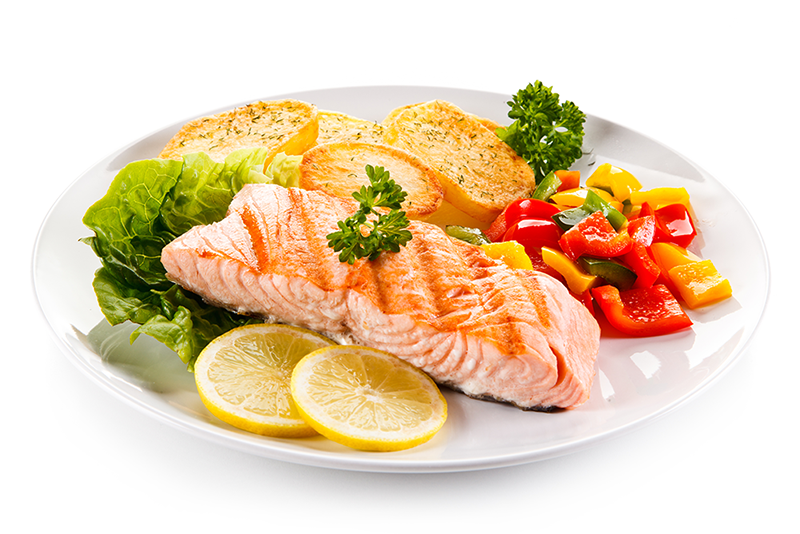
Salmon bowl with rice – protein-rich and nutrient-dense
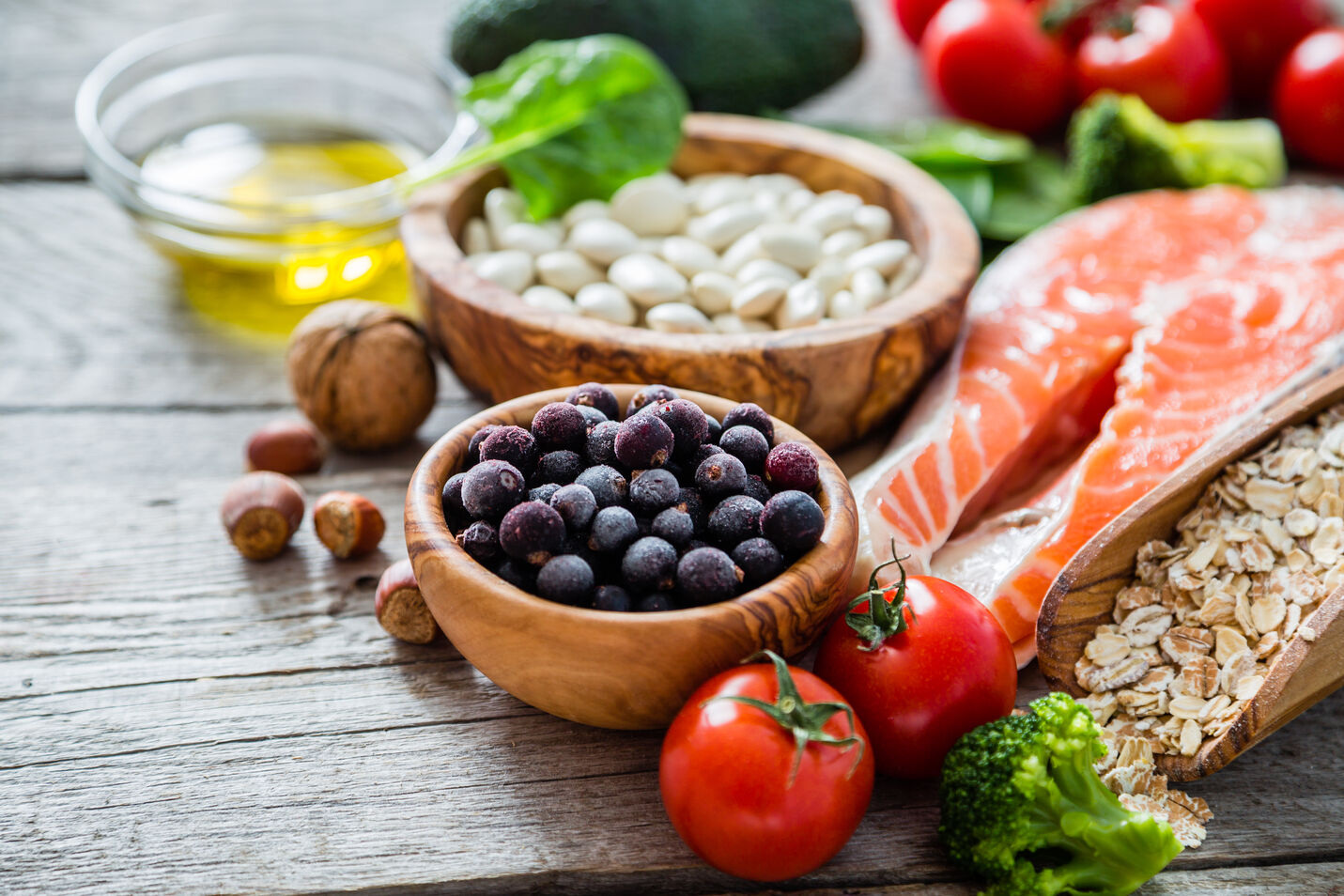
A protein-rich salmon bowl is a nutrient-dense meal that can actively support your weight loss by keeping you full, stabilising blood sugar, and preserving your vital muscle mass. By combining omega-3-rich salmon with fibre-rich vegetables, edamame beans, and whole grains, you create a balanced bowl that is both nutrient-dense and protein-rich. This guide explains exactly why these ingredients are optimal for your health, how to prepare the meal effectively for the week's lunch boxes, and the profound benefits the dish provides for your body.

Cottage Cheese Buns with Pizza Flavour
By Tristan Welch
Cheesy, savoury, and irresistibly satisfying, these Cottage Cheese Pizza Buns deliver all the joy of pizza in a wholesome, protein-packed bite. Made with oats, eggs, and cottage cheese, they’re soft inside, golden outside, and flavoured with oregano and garlic. Perfect fresh or packed for later, they’re a smart comfort-food snack ideal for breakfast, lunch, or a post-workout bite.

Asian Noodle Salad with Shrimp
By Tristan Welch
Crisp, colourful, and bursting with flavour, this Asian Noodle Salad with Shrimp is a refreshing mix of juicy shrimp, tender rice noodles, and crunchy vegetables. Tossed in a zesty sweet chilli and soy dressing with hints of sesame and lime, it’s fresh, satisfying, and full of energy—perfect for warm days, quick lunches, or light dinners that feel both nourishing and exciting.