
All articles
.webp)

Oral and Injectable Semaglutide Show Comparable Effectiveness at 18 Months
In a real-world European cohort of 16,940 adults receiving semaglutide alongside comprehensive digital obesity care, oral and injectable treatment produced comparable 18-month outcomes. Mean body weight loss reached 18.0% with oral semaglutide and 18.5% with injectable semaglutide, with similar improvements in central adiposity and metabolic markers.

Buying Ozempic online: important risks to be aware of
The illegal trade in weight loss medicines has increased significantly in recent years and poses serious health risks. Medicines sold through unregulated websites or without a valid prescription may be counterfeit, contain the wrong dose or include substances that are not listed on the packaging. Medicines bought outside the regulated UK medicines supply chain may also lack appropriate quality and safety controls.
Wegovy tablets for weight loss – what are they and how do they work?
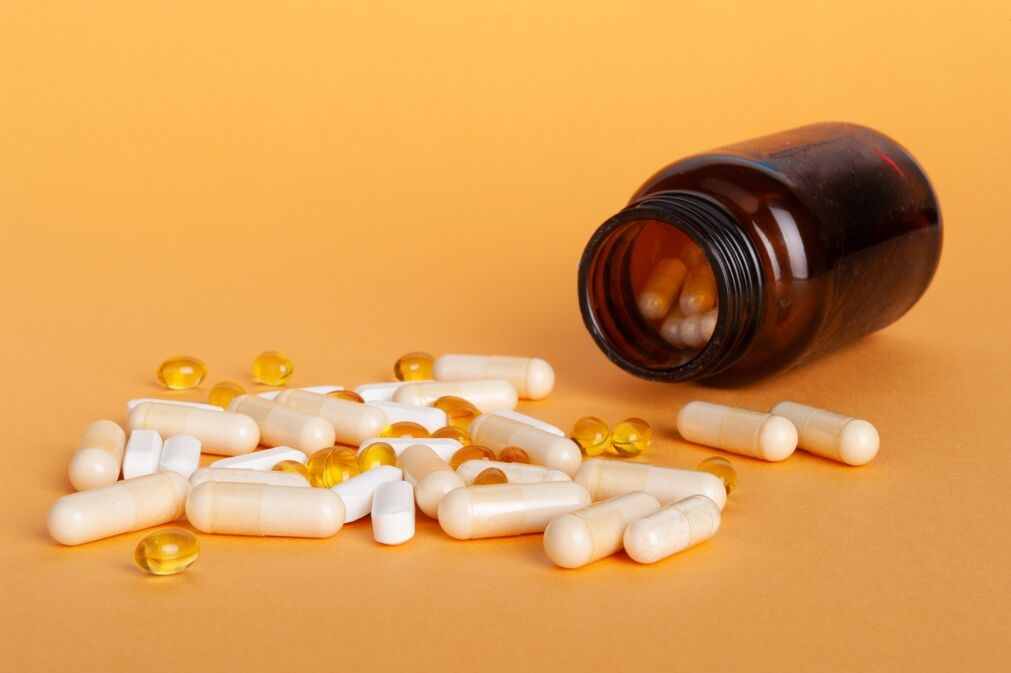
Wegovy tablets are the first oral GLP-1 treatment approved specifically for long-term weight management and cardiovascular risk reduction. By reducing hunger signals and quieting food noise, the tablets help people establish healthier habits through biological mechanisms.
Wegovy tablets are recommended for adults living with obesity, or with overweight and at least one weight-related health condition. Like injectable Wegovy, the tablets contain the active ingredient semaglutide, but the way the treatment is taken is different.
.webp)
Digital Obesity Care Reaches Socioeconomically Diverse Patients
In a real-world cohort of over 40,000 people living with obesity, digital care engaged patients across all socioeconomic groups, including low- and middle-income populations. However, affordability emerged as the primary driver of treatment discontinuation, with economic barriers disproportionately limiting long-term access and continuity of care.
.webp)
High-Volume Patient–Caregiver Interactions in a Fully Digital Obesity Care Model
Digital obesity care enables high levels of patient–caregiver interaction and sustained engagement in treatment, with higher retention than in other settings, potentially supporting longterm outcomes.
Across three years, messages exchanged, weight entries logged and retention in treatment was quantified for more than 50,000 patients.

What is Food Noise? Causes, Symptoms, and Treatment
Food noise involves persistent, unwanted, and tiring thoughts about food that can negatively affect quality of life. Unlike regular thoughts about food, food noise is often stressful and intrusive, revolving around hunger and cravings as well as rules, timing, and control. Food noise is a relatively new concept in research and puts into words something that many have recognized for a long time.

Semaglutide for weight loss: How the medical treatment works
Semaglutide is an active pharmaceutical substance used for obesity and type 2 diabetes. Clinical studies have shown significant effects on both weight and metabolic risk factors. Interest in treatment with semaglutide has increased in line with documented results and a growing role in modern obesity care.

Weight gain after GLP-1 treatment – how to maintain weight loss long-term
Weight gain after stopping GLP-1 medication is common and is partly due to appetite regulation, hunger, and energy balance gradually returning to previous levels when treatment ends. Obesity is a chronic and complex disease where biological mechanisms affect hunger, satiety, and body weight over time.

Contraceptives and weight loss medications: How Wegovy and Mounjaro can affect the efficacy of birth control pills
When treating with weight loss medications like Wegovy (semaglutide) and Mounjaro (tirzepatide), it is important to consider how the medications can affect fertility and the efficacy of contraceptives. Medications such as semaglutide (Ozempic, Wegovy, Rybelsus) and tirzepatide (Mounjaro) can contribute to improved fertility in women with obesity, partly as a result of weight loss and improved hormonal and metabolic function. At the same time, they can affect the absorption and efficacy of oral contraceptives.
.webp)
Real-World Outcomes of Tirzepatide and Semaglutide in 40,000+ Patients
Sustained Real-World Weight Loss in 40,000+ Patients
Substantial weight loss was achieved with GLP-1–based pharmacotherapy within a comprehensive digital obesity care model. Outcomes were maintained up to 24 months, with 57% of patients still in treatment, demonstrating strong long-term effectiveness in real-world care.

Rybelsus (semaglutide) in the treatment of obesity
Rybelsus is an oral treatment option used for type 2 diabetes and which in some cases may be relevant within obesity treatment. The medication contains the active substance semaglutide – the same substance as in Ozempic and Wegovy – and works by mimicking the body's own satiety hormone GLP-1. This contributes to reduced appetite, increased feeling of fullness, and delayed gastric emptying.

Mounjaro (tirzepatide) in the treatment of obesity
Mounjaro contains the active substance tirzepatide and is used for the treatment of adults with type 2 diabetes as a supplement to diet and exercise. The medication contributes to lowering blood sugar levels in a glucose-dependent manner.
Mounjaro is also used for the treatment of adults with obesity (BMI ≥30 kg/m²) or overweight (BMI ≥27 kg/m² with at least one weight-related complication). By affecting the body's appetite regulation, the treatment can contribute to weight loss through reduced energy intake.

Why am I not losing weight with hypothyroidism?
Losing weight with hypothyroidism can be perceived as more difficult, even with healthy lifestyle habits. An underactive thyroid means lower levels of hormones that regulate metabolism, which can affect energy expenditure and stamina. However, the effect on body weight is usually moderate and varies between individuals. When hypothyroidism is treated and hormone levels normalize, the conditions for weight loss improve.

Lipedema or obesity – how can you tell the difference?
Understanding why the body does not always respond as expected to diet and physical activity is an important starting point for the right treatment. Lipedema and overweight can in some cases resemble each other, but are two different conditions with distinct underlying mechanisms. They can also occur simultaneously, which can further complicate the clinical picture.

Risks of using weight loss medications without medical guidance
The demand for medical treatment of obesity and overweight has increased significantly in recent times, which in turn has contributed to the emergence of a market where medicines are sometimes distributed outside established and regulated healthcare systems. Using these medications without a doctor's prescription, and without structured and continuous follow-up, entails significant medical risks.
.jpg)
Medical weight loss – how the treatment works
Managing overweight is rarely a matter of willpower. The body's complex biological systems interact to regulate appetite, energy expenditure, and fat storage – often in a way that counteracts weight loss. Medical weight loss aims to influence these processes and create better conditions for sustainable results over time. Here, we go through how the medications work and who the treatment is suitable for.

MariTide – new drug treatment for obesity under development
Interest in new drug treatments for obesity has increased markedly in recent years. MariTide is a treatment under clinical development that could potentially contribute to an increased understanding of the body's weight regulation and broaden treatment options for obesity.

How to calculate your BMI – and what the result actually means
Body Mass Index (BMI) is one of the most widely used screening tools in healthcare for estimating the relationship between body weight and height. The measurement provides a general, statistical starting point for assessing the risk of various health conditions. At the same time, it is important to emphasize that BMI has limitations and cannot alone provide a complete picture of an individual's health status on its own.

CagriSema – combination treatment under development for weight loss
CagriSema is a drug treatment under development for obesity. It combines two active substances, semaglutide and cagrilintide. By integrating two hormonal mechanisms of action, the treatment aims to influence both appetite regulation and glucose metabolism more comprehensively than treatment with a single substance.

Mounjaro KwikPen – how the pre-filled injection pen works
KwikPen is a pre-filled multi-dose pen from the pharmaceutical company Eli Lilly, used to administer the medication Mounjaro. This type of pen is designed to facilitate regular dosing during medical weight loss and the treatment of type 2 diabetes. Here we go through how to handle the pen safely – from preparation to correct storage – to ensure your treatment works optimally.

Sustainable Weight Loss: How Patients Save Money with Yazen
New data proves sustainable weight loss delivers significant savings for patients.
A pan-European survey of 1,350+ Yazen patients reveals a "health dividend" where effective obesity treatment offsets its own cost. By addressing biological cravings, patients save an average of €109 on food and €50 on healthcare monthly. Findings show a natural shift away from snacks and takeaways toward nutrient-dense, mindful consumption.

Tired and gaining weight? Common causes and what you can do
Do you recognize the feeling of being tired all the time while also gaining weight, without understanding why? You’re not alone. Many people experience that their body feels heavier and everyday life more demanding when energy levels are low. It can be both frustrating and worrying, but there are often explanations for why this happens.
Salmon bowl with rice – protein-rich and nutrient-dense
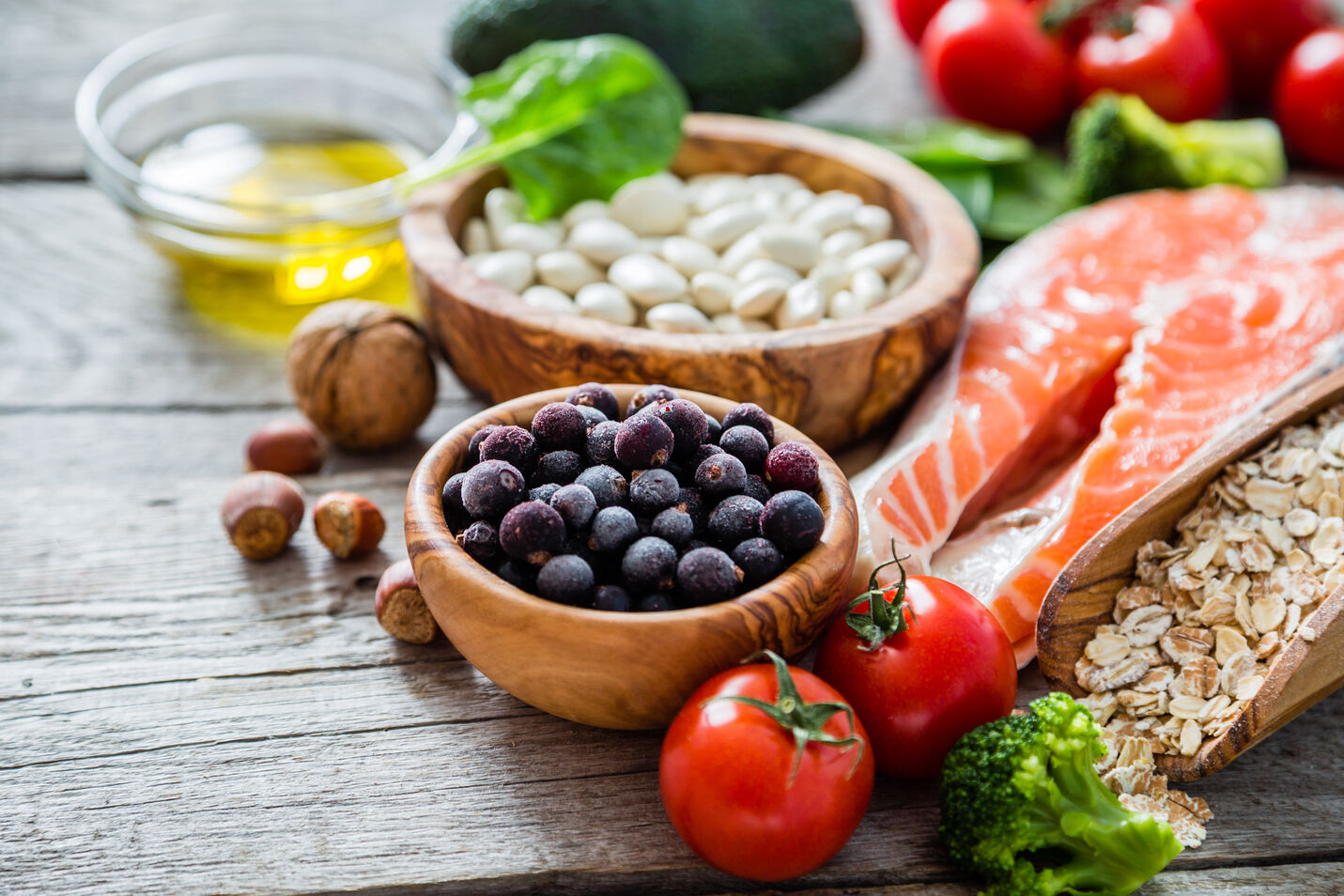
A protein-rich salmon bowl is a nutrient-dense meal that can actively support your weight loss by keeping you full, stabilising blood sugar, and preserving your vital muscle mass. By combining omega-3-rich salmon with fibre-rich vegetables, edamame beans, and whole grains, you create a balanced bowl that is both nutrient-dense and protein-rich. This guide explains exactly why these ingredients are optimal for your health, how to prepare the meal effectively for the week's lunch boxes, and the profound benefits the dish provides for your body.
