
All articles


Why you shouldn’t use GLP-1 during pregnancy. How it can affect you and your baby
Pregnancy brings big changes to the body, so it’s completely natural to wonder what’s safe when it comes to medication. Can you use GLP-1 treatments like Ozempic or Wegovy while pregnant? Here, we’ll walk through what the research says, why these medicines aren’t recommended during pregnancy, and what to think about if you’re pregnant or planning to be.

What happens if you stop taking GLP-1?
Stopping GLP-1 treatment, such as Ozempic, Wegovy or Mounjaro, raises a lot of questions for people who’ve used it to lose weight. What actually happens in your body? Will the weight come back? Can you keep the results?
Here, we’ll walk through what the research shows about what tends to happen when treatment comes to an end.

Common side effects of GLP-1 medications and how to manage them
Side effects are common with GLP-1 medications, especially at the start of treatment or when the dose is increased. For most people, they are mild to moderate and tend to affect the stomach and gut. They usually ease as your body adjusts. With the right advice around food, fluids and dosing, discomfort can often be reduced so treatment can continue safely. Here we’ll walk through common side effects and practical tips to help.

GLP-1 for weight loss
GLP-1 has quickly become an important part of treatment for people living with overweight and obesity. If you’ve struggled for years with constant hunger, cravings or weight regain, this treatment can offer much-needed biological support. But how does GLP-1 actually work in the body, and why can it help with more sustainable weight loss? Here we explain how it works and who it may be suitable for.
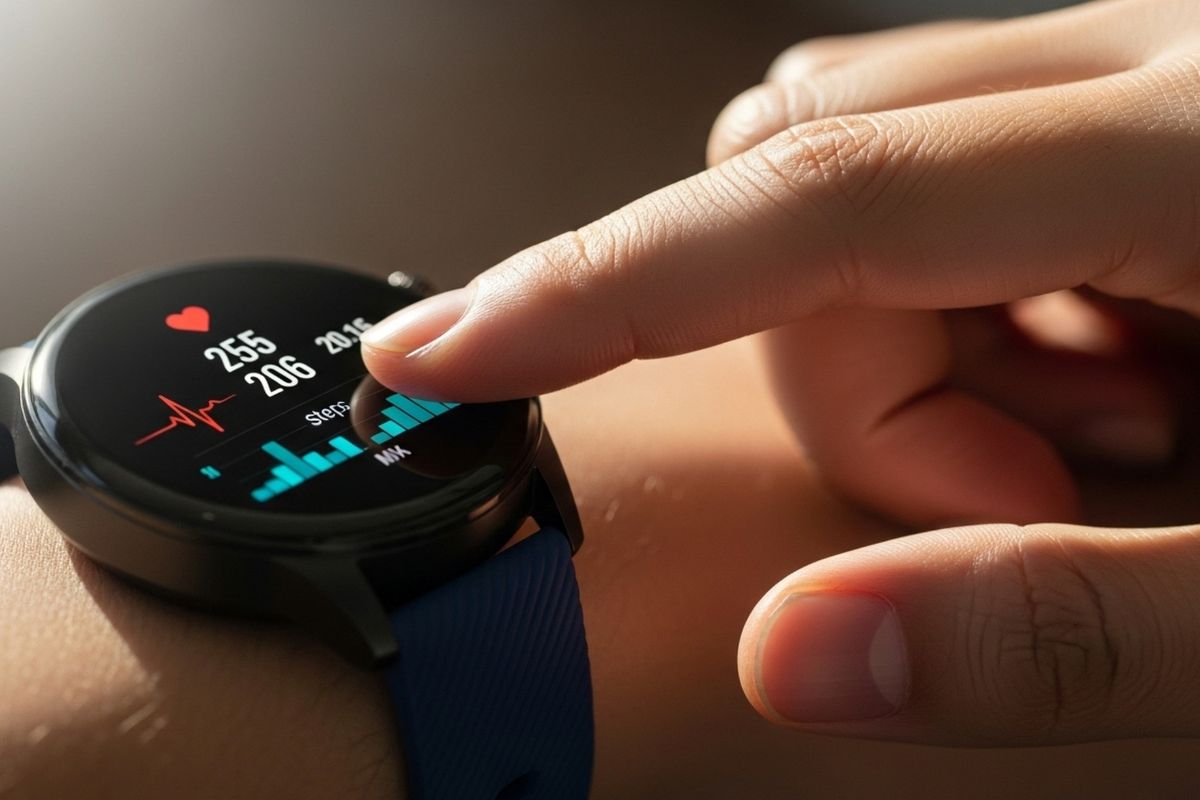
Smartwatch training: A tech tool to support movement, health and weight loss
Smartwatches and fitness trackers have become a common way to support exercise and overall health. For many people, a smartwatch can help you become more aware of your movement, sleep and day to day habits. It also works as an extension of your smartphone, letting you see notifications, control music and use apps straight from your wrist. But how can you use a smartwatch in a way that actually feels helpful when it comes to exercise and weight loss?

Antioxidant supplements: Do you need them or is a healthy diet enough?
Antioxidants protect your body's cells from damage caused by free radicals. Antioxidant supplements are often marketed as providing extra protection against stress and disease, but research shows they generally don't deliver the health benefits people hope for. High doses of certain antioxidants may even increase the risk of disease.
If you're thinking about taking antioxidant supplements or wondering whether a varied diet is enough, it's worth understanding what the research actually says. Here, we'll explain how antioxidants work, the potential benefits and risks of supplements, and how to get enough antioxidants through your diet.
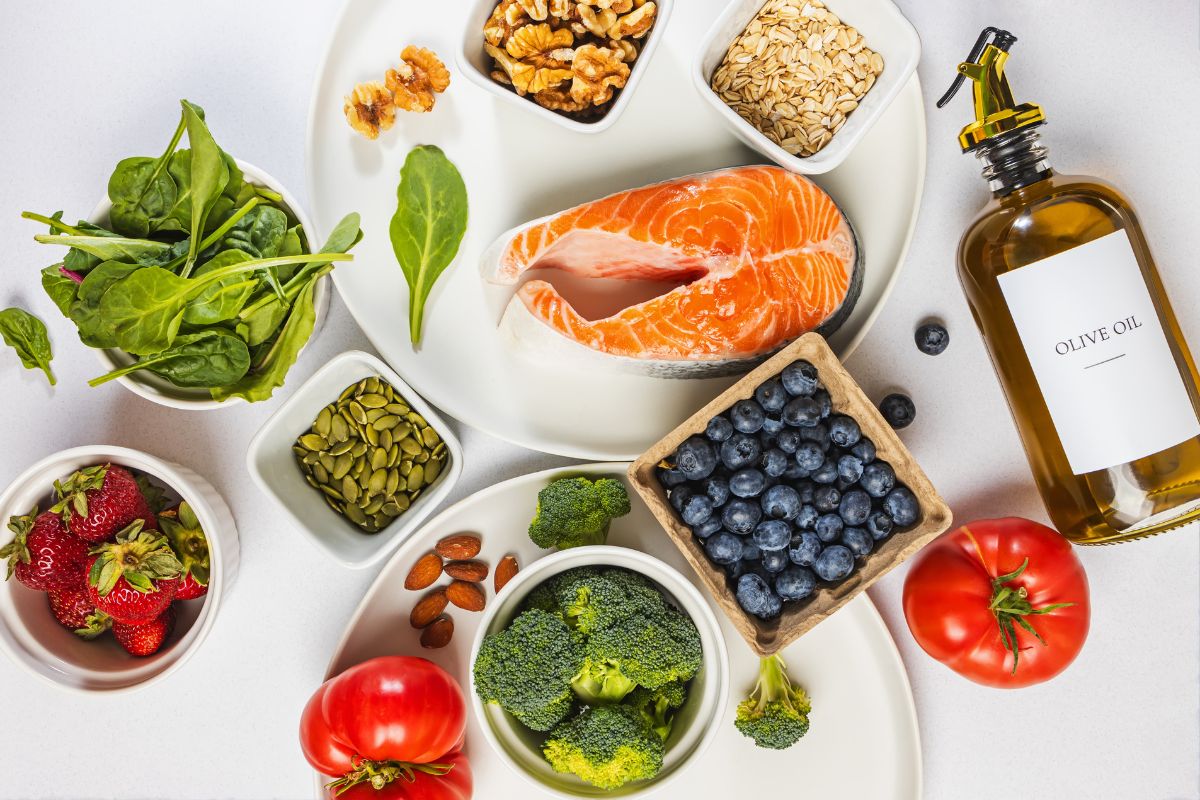
Anti-inflammatory diet: Everything you need to know
Anti-inflammatory diets have become increasingly popular and are often promoted with claims about "superfoods" and promises of better health and wellbeing. But what does eating an anti-inflammatory diet actually mean, and can the food you eat affect inflammation in your body?
Whether you want to eat more healthily, lose weight or understand the connection between diet and inflammation, we'll explore what the research says, which foods are commonly included and what health benefits you can realistically expect. We'll also look at how diet relates to low-grade inflammation, weight loss and chronic conditions, and why your overall eating habits matter more than individual ingredients.
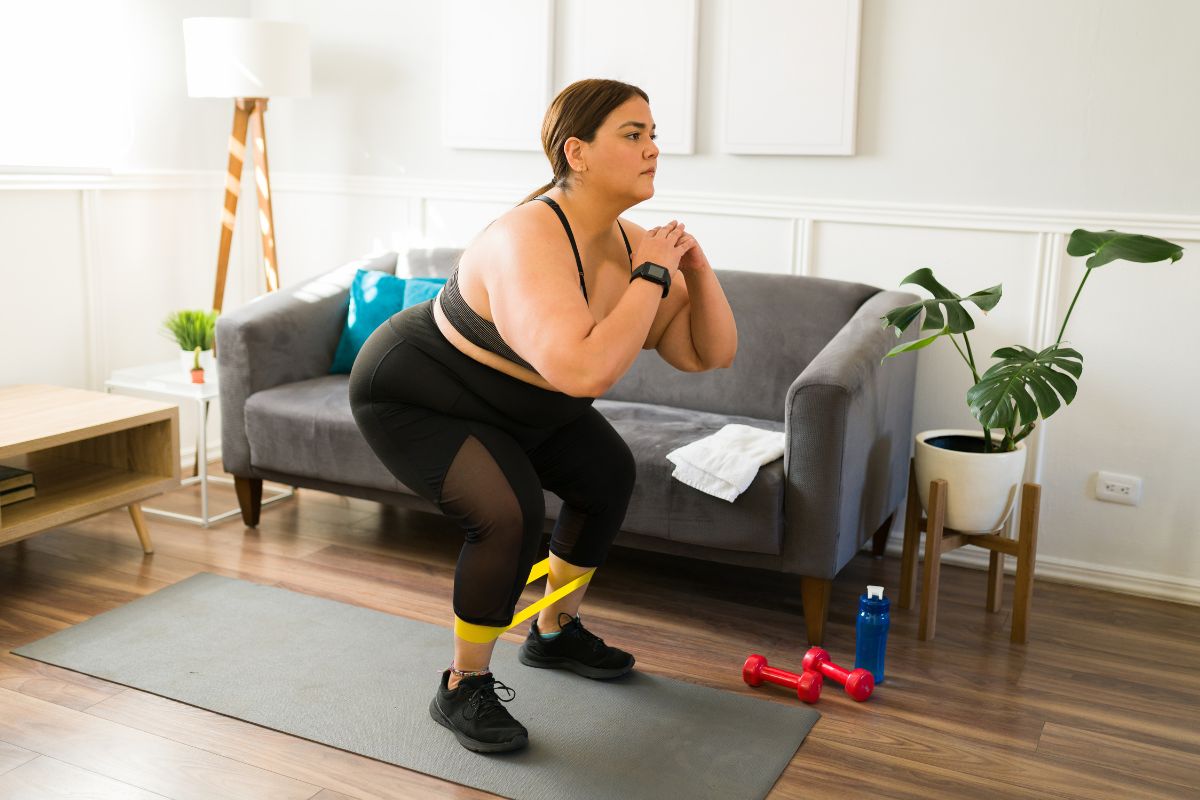
Losing weight with home workouts – does it actually work?
For many people, working out at home feels like a more realistic way to get started than having to make it to the gym. When you can exercise on your own terms, in your own space, it lowers the barrier to getting going. And home workouts can be just as effective as training at the gym.

Calculate body fat percentage – how it works and what it means for your health
Body fat percentage shows how much of your body weight is made up of fat. It’s often used alongside BMI and weight to give a more rounded picture of health. But how do you actually calculate body fat percentage, what methods are available, and what do the numbers really tell you?

Asthma, exercise and obesity: what the science says, risks and practical guidance
Exercising with asthma is not only possible, it is often recommended. That said, being active can raise a lot of questions if you live with asthma. Could exercise make symptoms worse? Which types of activity are safer? And how should training be adapted?
In this guide, we look at what research says about exercise and asthma, the link between asthma and obesity, how weight loss may affect asthma control, and how to stay active in a safe and supportive way.

One month without alcohol: What it could mean for your weight and health
Taking a month off alcohol has become increasingly popular, especially with challenges like Dry January. But what happens to your body when you take a break from drinking, and what health benefits might you notice?
Whether you're thinking about drinking less, want to lose weight or are simply curious about how alcohol affects your health, we'll explore what might happen to your weight, sleep and body during an alcohol-free month. We'll also look at the risks associated with alcohol and why your habits over the longer term matter most.

Support with weight loss through medication and lifestyle changes
Struggling to lose weight isn’t just about what you eat or how much you move. Body weight is controlled by a complex mix of biological factors, including hormones, appetite and fullness signals, and how your metabolism works.
For people who have already tried making lifestyle changes without seeing enough or lasting results, medication alongside lifestyle support can be an option to consider.
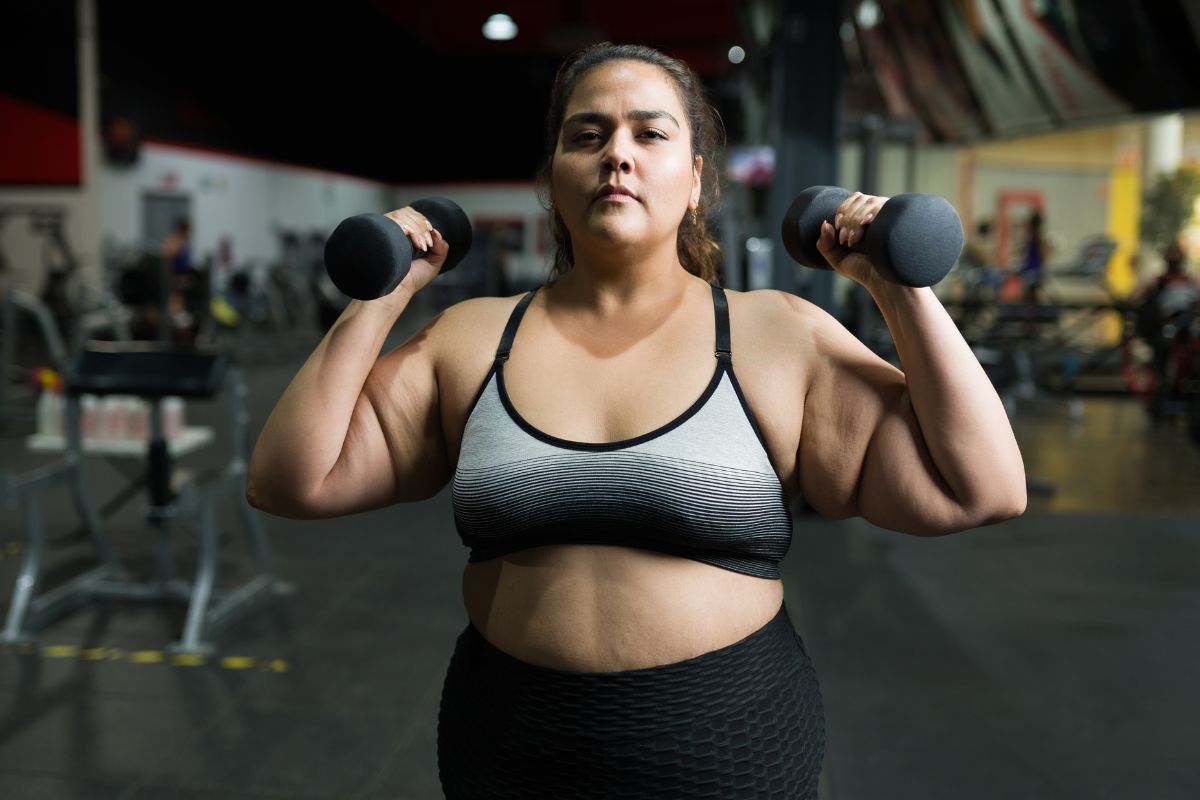
Strength training for weight loss – for results that last
Many people who want to lose weight focus mainly on food and cardio. But strength training during weight loss plays a key role in both your results and how your body feels in the long run. By building and maintaining muscle mass, you can boost fat burning, lower the risk of regaining weight, and support a stronger, more functional body.

Lose weight without exercise: a guide and your options
Many people think exercise is essential for losing weight. But at its core, weight is about energy balance. How much energy you take in compared to how much your body uses. That means it is possible to lose weight even if you are not exercising. At the same time, being active is one of the best things you can do for your long-term health.

Diabetes medicines, weight loss and long-term health
Searches for diabetes medicines and weight loss have risen sharply. Lots of people want to understand the connection and who this kind of treatment might be right for. Some medicines originally developed for type 2 diabetes can also lead to weight loss. In this article, we explain how diabetes medicines and weight loss are linked, and which treatments may help support weight loss.

Weight loss with medication
Interest in medication to treat obesity has grown a lot in recent years. Obesity is a long-term, complex condition. It is not just about body weight, but about overall health and the risk of related conditions. Its complexity reflects the many factors involved, including genetics, hormones, everyday habits, and the environment we live in.
Protein for weight loss: Effects, benefits and risks
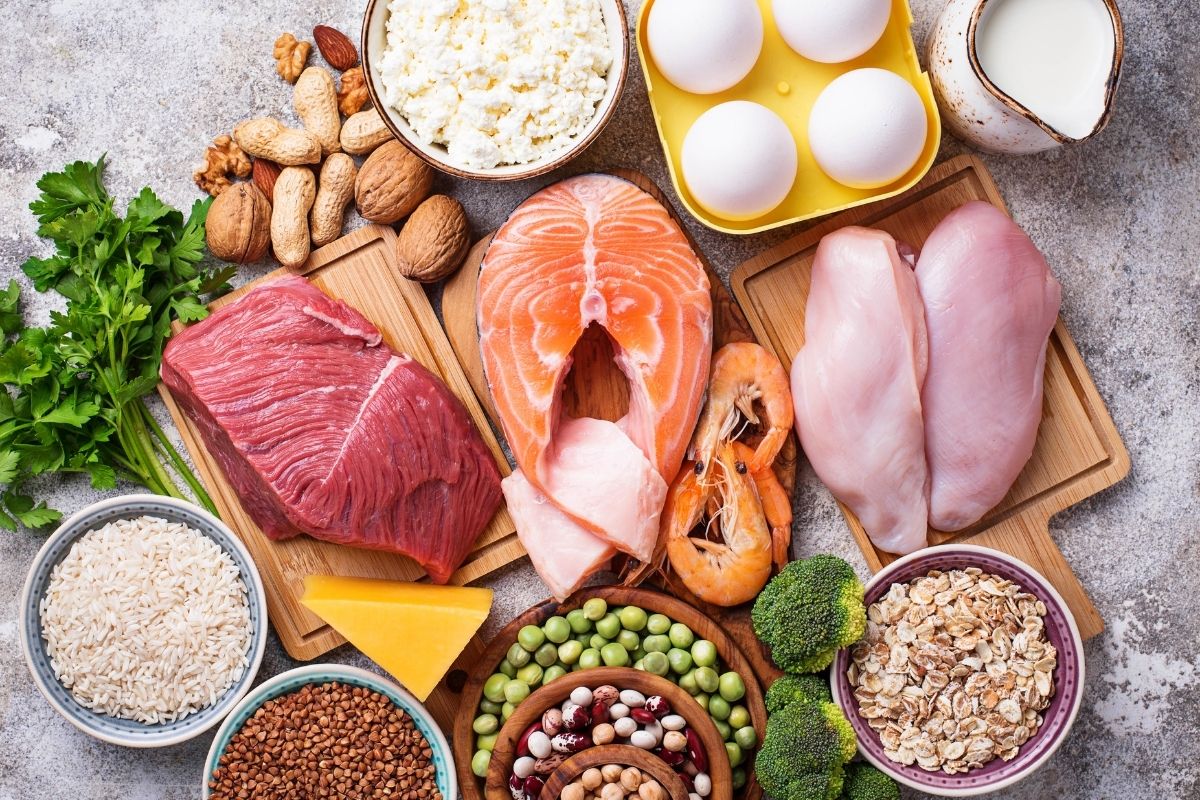
Protein can be a valuable part of sustainable weight loss. It can help you feel fuller for longer and preserve muscle mass when you're eating fewer calories than your body needs. But how much protein should you eat if you want to lose weight? What are the benefits and risks, and how can you get more protein into your diet? In this article, we'll explore everything you need to know about protein and weight loss.

How much weight can you lose in a month?
“How much weight can you lose in a month?” is a question many people ask when they want to lose weight. It’s completely understandable to want to know what to expect, especially if you're just starting your weight loss journey. At the same time, weight loss isn't a race, and quick results don't always mean long-term success.
If you're considering losing weight, have recently started making lifestyle changes or are receiving medical treatment for weight management, this article is for you. We'll explore how much weight you might realistically lose in a month, why results vary, and how nutrition, physical activity and medical support can help. We'll also look at setting realistic goals and maintaining your progress over time.
Smoothies for weight loss: Do they work?
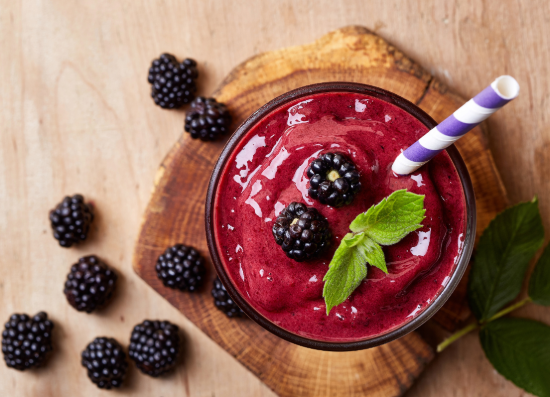
Can smoothies help you lose weight? The answer is both yes and no. If you're thinking about having smoothies for breakfast, as a snack or as part of your weight loss journey, it's worth understanding what they can actually do.
Smoothies themselves don't cause weight loss, no matter how healthy they are. To lose weight, your body needs to take in less energy than it uses over time. However, smoothies can play several useful roles as part of a varied diet. They can be a convenient option when you're short on time or don't have much of an appetite, as well as an easy way to get more protein, vegetables, fruit and berries into your diet.

L-Glutamine and Weight Loss: Science and Myths
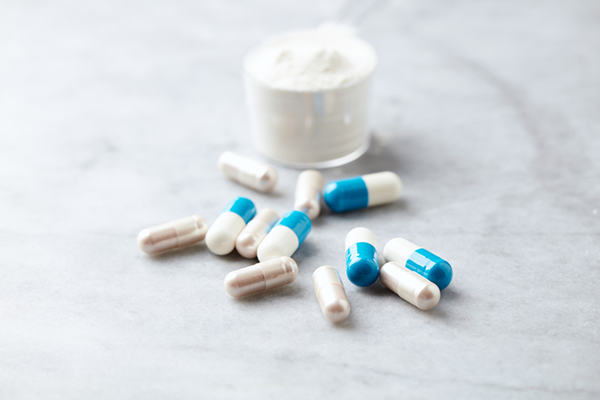
L-glutamine is an amino acid often sold as a supplement for exercise and recovery. More recently, it's also been mentioned in connection with weight loss. But can L-glutamine really help you lose weight?
If you're thinking about trying L-glutamine to lose weight, preserve muscle mass while dieting or improve recovery, it's worth understanding what the research actually shows. Here, we'll explore what glutamine does in the body, its potential effects on weight and body composition, and what you should know before taking it as a supplement.

Levothyroxine for weight loss: myths and risks
On social media and blogs, it’s sometimes claimed that levothyroxine can be used for weight loss. For people living with overweight or obesity, it can be confusing to know what’s actually true. This article explains the risks and what may be useful to know about levothyroxine and weight loss.

Weight loss supplements: options, effects and risks
Weight loss supplements are often marketed as quick, easy solutions, promising to reduce appetite, boost energy and increase fat burning. In reality, their effects on weight are often small or uncertain. Some supplements may be useful for meeting specific nutritional needs, but they can't replace a nutritious diet, sustainable lifestyle habits or medical treatment when needed.
Are you thinking about trying weight loss supplements, or have you already tried products without getting the results you hoped for? Here, we'll explore the different types of supplements available, what research says about their effects and the risks you should be aware of.
