
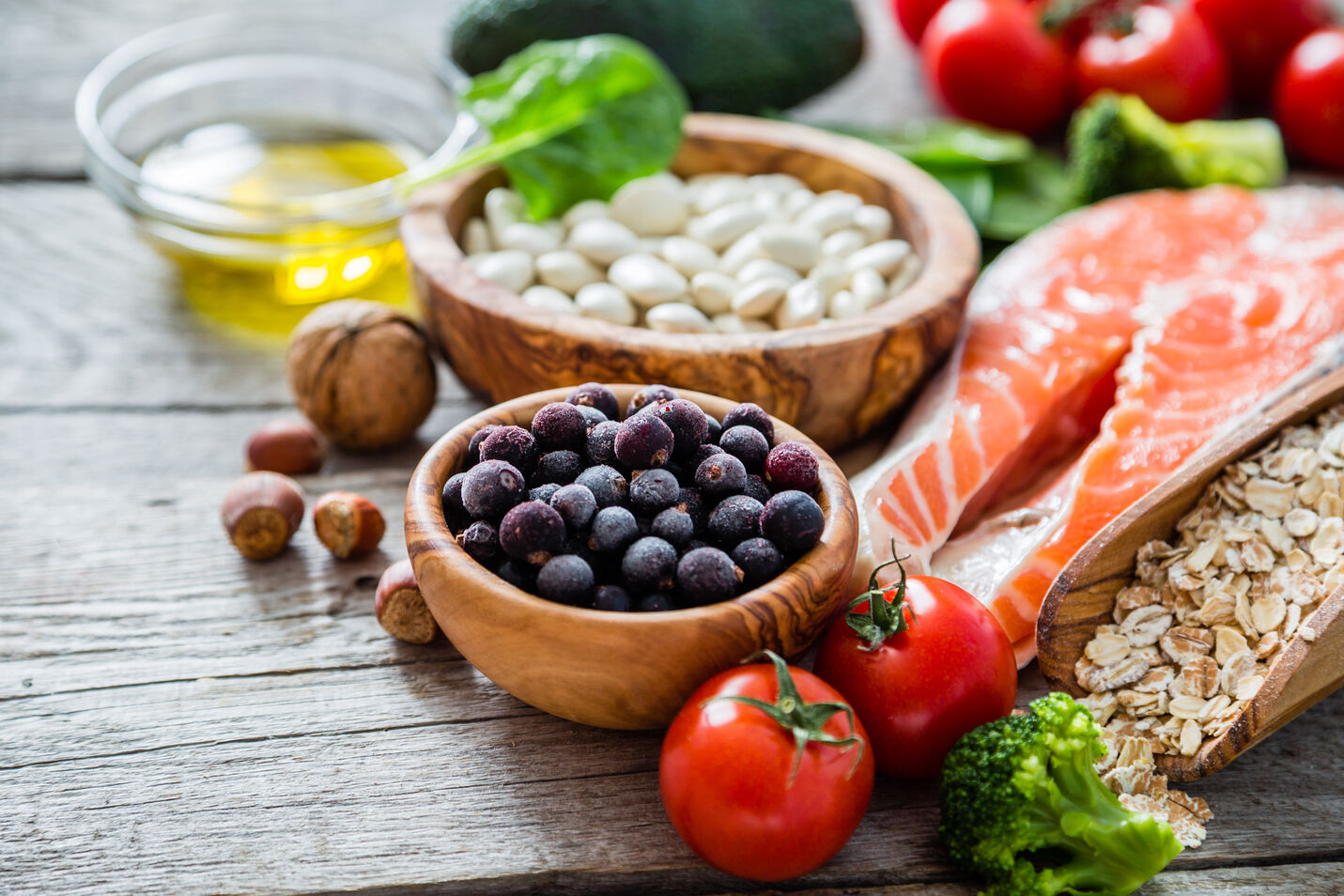

Why this meal works for weight loss
This meal works for weight loss because it strategically combines high-quality protein, healthy fats, and dietary fibre to maximise satiety while keeping energy density low. By following the scientific "Plate Method," half of the bowl consists of high-volume vegetables that physically fill the stomach and quickly send satiety signals to the brain.
Protein also plays a crucial role in the dish. When you lose weight, especially at a faster pace, the body risks breaking down muscle tissue – a condition called sarcopenia – which in turn lowers your basal metabolic rate. By including a generous portion of salmon and edamame beans, you provide the body with the essential amino acids required to protect muscle mass and ensure that the weight loss consists of fat.
The dish can also help manage so-called "food noise" – the constant, intrusive thoughts of food and eating. The combination of slow-release, fibre-rich carbohydrates from quinoa and unsaturated fats from salmon and avocado provides a slow and steady release of energy. This physiological stability prevents the rapid blood sugar fluctuations that otherwise often trigger intense cravings for high-calorie and sugary foods.
Ingredients
To create a balanced and filling salmon bowl, you need an exact blend of lean protein, fibre-rich whole grains, high-volume vegetables, and a light dressing. Building your meal with these specific components ensures that you cover your nutritional needs without exceeding your daily energy budget.
- The protein base: 125 grams of high-quality salmon fillet. Either fresh-baked in the oven or conveniently purchased as hot-smoked. Cut the salmon into pieces or slices to fit your bowl. Salmon is a premium source of protein that is naturally low in carbohydrates but extremely rich in vital nutrients. To vary your intake during the week, the salmon can easily be replaced with, for example, grilled chicken fillet, boiled eggs, or firm tofu.
- Fibre-rich carbohydrates: 100 ml (1 dl) cooked quinoa, oat rice, or whole-grain bulgur. These whole-grain alternatives are superior to white, refined rice because they contain significantly more dietary fibre, magnesium, and plant-based protein. The high fibre content means the carbohydrates are absorbed more slowly in the gastrointestinal tract, providing you with stable energy for many hours.
- High-volume vegetables: To build volume, at least half of the bowl is filled with a colourful mix of vegetables. You need 50 grams of thawed edamame beans for extra protein, a large handful of spinach or rocket, sliced cucumber, and cherry tomatoes. Also add some diced mango for natural sweetness. Eating colourfully ensures that you get a wide spectrum of vital vitamins and antioxidants.
- Healthy fats and flavour: Finally, add a quarter of an avocado and 1 tbsp of sesame seeds. The dressing is made from 0% fat-free Greek yoghurt mixed with fresh lime juice, 2 tbsp Japanese soy sauce, and finely chopped garlic. This simple swap radically lowers the meal's total calorie content compared to a heavy mayonnaise, while maintaining the satisfying creaminess.
How to prepare it
You prepare this salmon bowl by boiling the rice or grains, chopping the fresh vegetables, baking the salmon fillet, and finally assembling all the components in a bowl. This structured method makes cooking efficient and fits perfectly into a busy daily routine, such as a slightly stressful lunch or directly after training in the evening.
Step-by-step instructions
- Boil the base: Start by preparing the rice and boil 100 ml (1 dl) according to the instructions on the package. Boiling these in advance saves a lot of time.
- Prepare the vegetables: While the rice simmers, prepare the vegetables by slicing the cucumber and chopping the leafy greens, tomatoes, avocado, and mango into bite-sized pieces. Thaw the edamame beans quickly under warm tap water.
- Cook the salmon: Cut the salmon fillet into portions and place them in an ovenproof dish. Drizzle with 1 tsp of oil, salt lightly, and bake at 200 degrees for about 10–14 minutes until the salmon is cooked through. Alternatively, you can fry the salmon in a pan and finish by drizzling with 2 tbsp of teriyaki sauce for extra flavour.
- Mix the dressing: Whisk together the fat-free Greek yoghurt, lime juice, Japanese soy sauce, and finely chopped garlic in a small bowl.
- Assemble the bowl: Start by placing the warm rice in the bottom of a wide bowl. Distribute the vegetables so they cover half of the bowl according to the Plate Method. Top with the salmon and finally drizzle over the yoghurt dressing. Sprinkle with sesame seeds for extra crunch.
Tips for Meal Prep
This salmon bowl is perfect for "meal prep"—preparing lunch boxes—which allows you to eat smart, save time, and reach your goals more easily. You can bake several salmon fillets, boil extra rice, and chop the vegetables on Sunday. Store the components separately in airtight containers in the fridge. When hunger strikes, it only takes a minute to assemble a complete meal, reducing the risk of quick, unhealthy choices.
Nutritional benefits
This salmon bowl provides vital omega-3 fatty acids for heart health, high-quality protein for muscle preservation, and plenty of dietary fiber for stable blood sugar control. Each ingredient is carefully selected to deliver maximum nutrition per calorie and actively prevent nutritional deficiencies that often occur with obesity.
Omega-3 fatty acids for heart health:
Salmon is one of our best sources of the long-chain omega-3 fatty acids EPA and DHA. These healthy, unsaturated fats play a critical role in cardiovascular health by lowering blood pressure, reducing low-grade inflammation in the body, and improving the balance of blood fats. Eating oily fish like salmon fillet at least twice a week is a strong recommendation within evidence-based dietary patterns.
Gut health and soluble fibre:
The combination of edamame beans, whole grains, and fresh vegetables provides a powerful dose of both soluble and insoluble dietary fibre. The soluble fibres act as prebiotics and feed the good gut bacteria. When the bacteria ferment the fibres, short-chain fatty acids are formed, which help regulate appetite hormones and improve the body's insulin sensitivity. A fibre-rich diet is strongly linked to a healthier body weight and improved digestion.
Prevents nutritional deficiencies:
Patients living with overweight or undergoing rapid weight loss often suffer from nutritional deficiencies, especially regarding vitamin D and B12. Salmon is a fantastic natural source of vitamin D, which is indispensable for strong bones and a functioning immune system. The high content of B12 also supports the body's nerve function and energy production, protecting your health throughout your treatment journey.
Flavour and variation with cucumber and salmon:
Including crispy cucumber and salmon in your salmon bowl provides a fresh and rich taste experience. A pinch of salt and a squeeze of lime can further enhance the flavours. For extra heat, you can serve with sriracha or a flavourful sauce that complements the mild character of the salmon.
Ready to take control of your health? Download the Yazen app today to get in touch with our dietitians and medical teams. Together, we create a personalised weight loss plan with more nutrient-dense and delicious recipes adapted to your specific biology.
.svg)