
GLP-1: How medical weight loss works
Treating obesity and overweight is rarely just about willpower. It is about understanding the body's biology and treating it medically. Modern medications have revolutionised weight loss by providing physiological tools that reduce hunger and give people a genuine opportunity to change their habits. One of the most significant advances in this field is GLP-1-based medical treatment, which directly affects the body's hunger and satiety system.

What is GLP-1?

GLP-1 is a naturally occurring gut hormone that regulates appetite and blood sugar. In its synthetic form, it is used as a medication to treat obesity and type 2 diabetes.
When you eat a meal, your body naturally releases the hormone GLP-1 (glucagon-like peptide-1) to signal fullness to the brain. However, this naturally occurring hormone is broken down by the body's enzymes within just a few minutes. Medical treatment is based on so-called GLP-1 receptor agonists. These medications have been chemically modified to mimic the body's natural hormone, with one crucial difference: they resist the body's natural breakdown process. As a result, the medication remains active in the bloodstream and continues working around the clock for up to one week.
The best-known active substances in this class of medication are semaglutide (found in Wegovy and Ozempic) and tirzepatide (found in Mounjaro, a dual agonist that also affects the GIP hormone). Developed by Novo Nordisk and Eli Lilly, these medications are used to treat both type 2 diabetes and obesity, and they have demonstrated significant effectiveness in achieving sustainable weight loss.
How does GLP-1 work?

Appetite signals
GLP-1 primarily works by reducing hunger signals in the brain and slowing the emptying of the stomach, helping people feel full for longer while eating smaller portions.

The brain’s regulation of appetite
From a physiological perspective, the medication tackles excess weight through several mechanisms at the same time. In the brain, it binds to receptors in the appetite control centre, reducing the constant psychological cravings for energy-dense foods—a phenomenon commonly referred to as "food noise".


The gastrointestinal tract
Within the gastrointestinal tract, the medication slows digestion and delays stomach emptying. This creates a prolonged physical feeling of fullness. At the same time, the treatment helps the pancreas regulate insulin release, preventing the sharp fluctuations in blood sugar that often trigger intense sugar cravings. GLP-1 medications also contribute to significant reductions in HbA1c (long-term blood sugar) and fasting blood glucose, which are important for both diabetes management and effective weight loss.
Who can receive GLP-1?
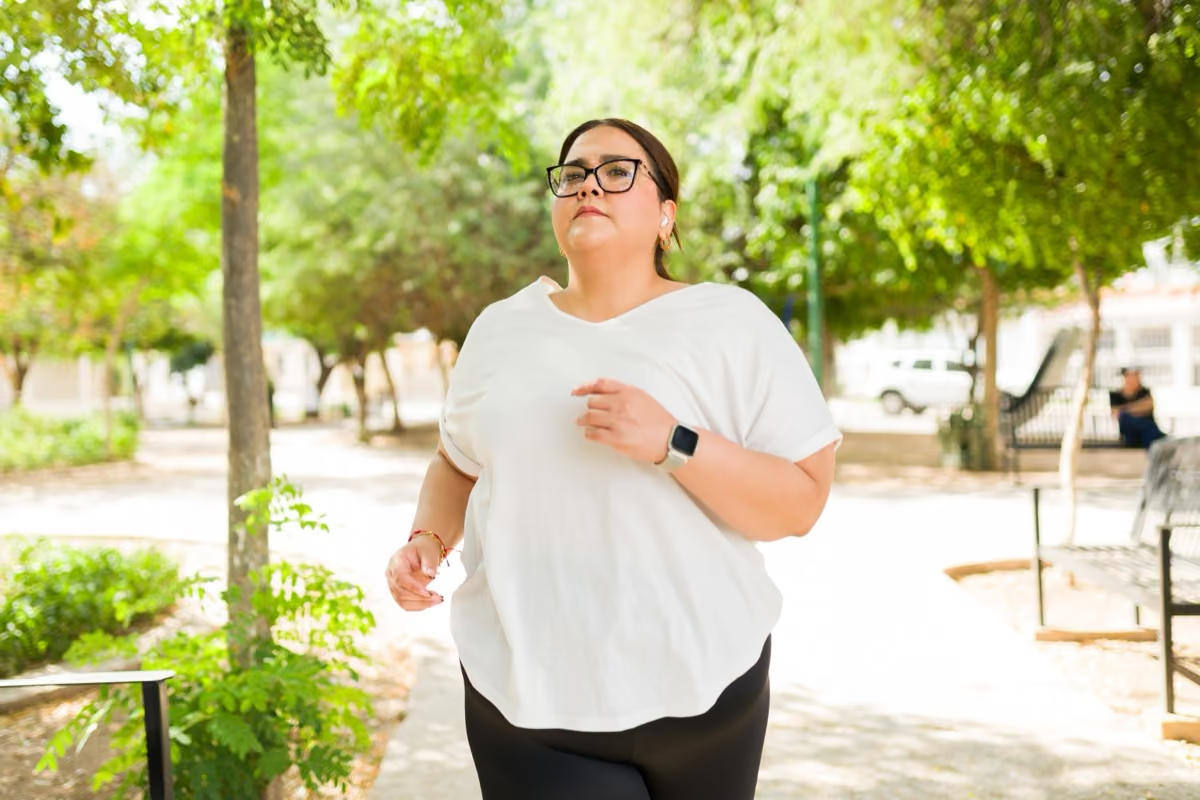
GLP-1 may be prescribed for weight loss to people with a BMI of 30 or higher, or a BMI of at least 27 combined with a weight-related condition such as high blood pressure.
In modern healthcare, obesity is classified as a chronic disease, and medical treatment is carefully regulated. These medications are not intended for cosmetic weight loss in people of a healthy weight. Instead, they are designed to reduce the serious health risks associated with long-term obesity, including cardiovascular disease and type 2 diabetes.
A prescription is always preceded by an individual assessment by a licensed physician. This evaluation includes a review of the patient's medical history, previous weight-loss attempts, and blood tests to ensure that treatment can be started safely. Careful follow-up is also essential, as both the effectiveness of the treatment and any potential side effects may vary from person to person.
How is GLP-1 administered?
GLP-1 is most commonly administered as a weekly injection into the fatty tissue of the abdomen or thigh. The dose is gradually increased over several months. Different medications have different starting and maximum doses, but the most commonly prescribed GLP-1 medications are all administered as a weekly injection.
GLP-1 medication is supplied in a pre-filled injection pen designed to allow patients to administer the treatment safely and easily at home. The needle is extremely thin and short, making the injection generally painless.
GLP-1 medications are also available as daily tablets. This includes Rybelsus, which contains the same active substance as Ozempic and Wegovy: semaglutide.

Results: how much weight can you lose with GLP-1?
Active ingredient | Mechanism | Average weight loss (clinical studies) | Available medications |
 Semaglutide | GLP-1 receptor agonist | 15 % (after 68 weeks) | Wegovy, Ozempic, Rybelsus |
Tirzepatide | Dual agonist (GLP-1 & GIP) | 20 % (after 72 weeks) | Mounjaro |
In clinical studies, patients treated with modern GLP-1 medications achieved an average weight loss of between 15% and 20% of their body weight after just over one year of treatment.
A large study involving 2,000 adults found that those who used semaglutide alongside a diet and exercise programme lost an average of 16% of their body weight after 68 weeks. In comparison, those who made lifestyle changes only lost approximately 2.4%. Similar studies of tirzepatide have shown even greater weight loss over a comparable period.
This is often described as a paradigm shift in the treatment of overweight and obesity, as results of this magnitude were previously only achievable through bariatric surgery. The research is also supported by real-world patient data: among Yazen’s own patients, the average weight loss is 16.6% after 18 months of treatment.

Side effects of GLP-1
The most common side effects of GLP-1 treatment are nausea, diarrhoea, and constipation. These are usually mild to moderate and typically occur at the beginning of treatment or after a dose increase.
Because the medication actively slows the digestive process, it is expected that the gastrointestinal tract will need time to adapt before the body reaches a new balance. Nausea almost always occurs when a person eats portions that are too large for the stomach's now slower emptying rate.
It is also important to be aware that less common but more serious side effects can occur, such as gallbladder problems or inflammation of the pancreas, although these are very rare. In most cases, however, side effects are mild and temporary, and the majority of patients do not need to discontinue treatment because of them.
Read more about the common and uncommon side effects of Wegovy and Mounjaro in our in-depth guides.
Next steps with GLP-1 treatment
If medical treatment for weight loss may be appropriate, the process usually begins with a medical assessment. A physician will review your overall health, medical history, previous weight loss attempts, and any current medications to determine whether treatment is suitable and, if so, which option is most appropriate.
If you'd like to learn more about the different GLP-1 medications or their costs, you can find additional information in our guides to Wegovy, Mounjaro, and Ozempic.

FAQs:
Is GLP-1 medication for life?
Because obesity is a chronic biological disease, there is a high risk that hunger and food noise will return if treatment is stopped abruptly. To maintain results, many patients require a low maintenance dose over the long term, in consultation with their physician, alongside healthy eating habits and regular physical activity.
How much do GLP-1 medications cost?
The cost varies depending on the medication and dosage. Wegovy typically costs around £169–£229 per month, while Mounjaro costs approximately £190–£299 per month. As these medications are generally paid for privately in the UK, patients are usually responsible for the full cost of treatment.
Is type 2 diabetes needed to receive GLP-1?
No. GLP-1 medications are used both to treat type 2 diabetes and to support weight loss in people with overweight or obesity. For weight management, GLP-1 may be prescribed to individuals with a BMI of 30 or higher, or a BMI of at least 27 combined with a weight-related medical condition.
Is GLP-1 available as tablets or only as an injection?
The active ingredient semaglutide is also available as a daily tablet under the brand name Rybelsus. It is primarily approved for the treatment of type 2 diabetes but may, in selected cases, be prescribed off-label for weight loss following an individual medical assessment.
Can alcohol be consumed while taking GLP-1?
Yes, but with caution. Because the stomach empties more slowly during treatment, alcohol remains in the system for longer. This often increases the effects of alcohol, reduces tolerance, and significantly raises the risk of nausea.
What happens if a dose is not taken on the right day?
If a dose is missed, it can be taken it as soon as its remembered, provided there are at least 48 hours before the next scheduled dose. If there are fewer than 48 hours remaining, skip the missed dose and take your next dose on the usual scheduled day.