
All articles




New research: over a third of Brits see obesity as a personal choice
A new survey by Yazen Health uncovers widespread misconceptions about obesity, with over one-third of Brits seeing it as a personal choice rather than a chronic disease. These findings highlight the urgent need for greater public education and medically-guided obesity care.

Rethinking Obesity Care Through a Comprehensive Digital Model
The Yazen model integrates medical treatment, behavioural support, education, and social engagement into one continuous digital care pathway. By combining multidisciplinary expertise with high accessibility and ongoing patient interaction, the model aims to support sustainable obesity treatment and long-term health improvement.
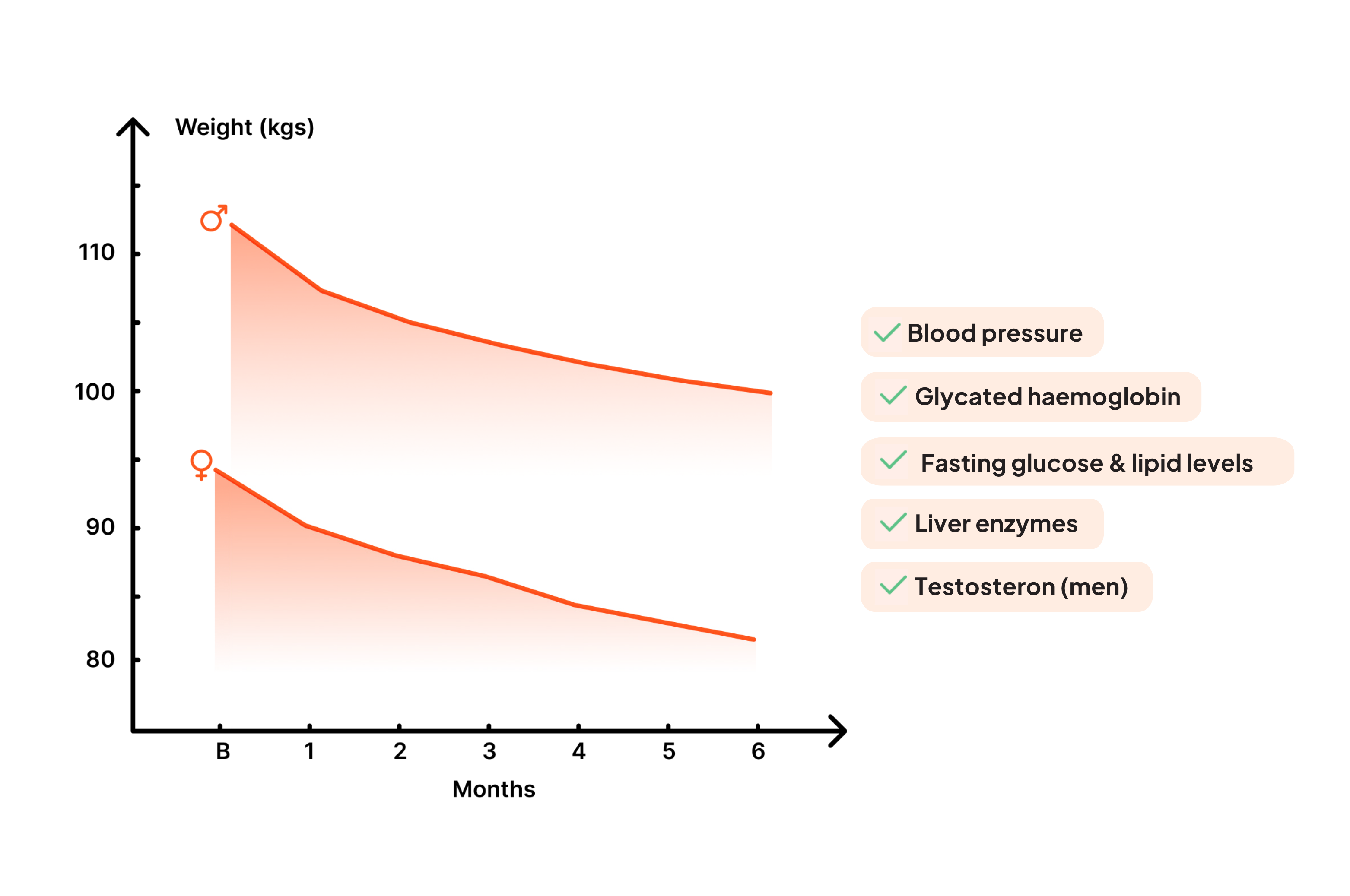
Examining the effectiveness of a new digital care model on weight loss for people living with obesity
This real-world evaluation of more than 2,600 patients in Sweden showed that Yazen’s comprehensive digital obesity care model achieved 12.6% weight loss after 6 months, alongside significant improvements in cardiometabolic health markers. The model combines GLP-1 treatment, lifestyle intervention, and continuous multidisciplinary support through a digital platform designed for long-term obesity care.


Using Mealsizer for weight loss with medication
How to use Mealsizer when losing weight with medication
Mealsizer is a portion control tool that may be helpful if you're taking weight loss medication and want some guidance on portion sizes. Medication can reduce your appetite, making it especially important to get enough protein and other essential nutrients.
But how do you know what a suitable portion looks like when your hunger feels different from before? Here, we'll answer common questions and share practical tips on using Mealsizer, choosing nutritious foods and adapting your meals during treatment.


Ozempic and diet: Are there any foods you should avoid?
Modern medical treatment for overweight and obesity helps many people lose weight, improve their health, and maintain a lower weight over time. However, some experience side effects such as nausea, heartburn, or constipation. For most people, these symptoms are most common at the beginning of treatment and during dose increases. The side effects are usually mild and can often be prevented.
