
All articles


Disadvantages of fasting
Fasting is often used as a way to lose weight and improve health. There are several types of intermittent fasting, with 5:2, 16:8, Eat-Stop-Eat and alternate-day fasting among the most common. For some people, fasting can help create a more structured eating routine and reduce calorie intake. Studies also show that intermittent fasting may improve blood sugar control and certain other markers of metabolic health in some people.
But what are the disadvantages of fasting, and who should avoid it? Fasting isn't suitable for everyone and can come with practical challenges and health risks. Here, we'll explore the most common drawbacks of intermittent fasting, what the research says and what to consider if you're thinking about trying it.

Is Ketosis dangerous? When It can be risky and the drawbacks of a Keto Diet
The word "keto" comes from ketone bodies, substances produced when your body mainly uses fat for fuel instead of glucose. When ketone levels in the blood rise, this is called ketosis. It's a natural state that your body can enter during fasting or when you eat very few carbohydrates.
But when can ketosis be dangerous, and what are the risks of a ketogenic diet? In this article, we'll explore the benefits, drawbacks and what the research says.

What Are Ketones? The Science Behind Ketosis Explained
In the liver, fat is converted into ketones, an alternative source of energy for the body and brain when carbohydrates are in short supply. This state is called ketosis, or keto in everyday language, and plays an important role in how the body adapts to periods when energy is limited. In this article, we'll explain what ketones and ketosis are, how ketones are produced and why they matter.

Metformin and weight loss
Metformin is one of the most widely used medical treatments for type 2 diabetes. At the same time, this medication often appears in discussions about weight and metabolism. But why is metformin talked about in connection with weight loss, how strong is the effect really, and what risks do patients need to be aware of?

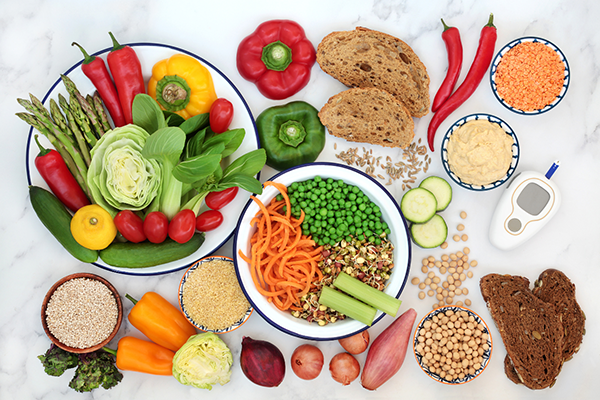
Low-GI Foods: Recipes and Guide
The glycaemic index (GI) approach was originally developed to help people with diabetes choose carbohydrates that cause a slower rise in blood sugar. Since then, it's also become popular with people who want to eat more healthily and create balanced meals. GI describes how much carbohydrates from different foods raise blood sugar compared with a reference, usually glucose. In this guide, we'll explain what low-GI foods are, which foods you might want to choose and how to combine different carbohydrates to create tasty, satisfying meals. You'll also find practical tips and recipes featuring fibre-rich, nutritious ingredients.
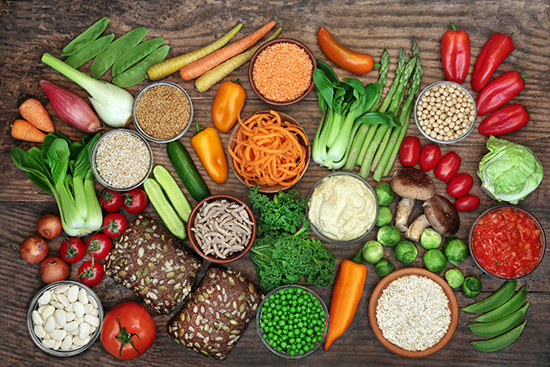
Low-GI Foods: Benefits and Drawbacks
The concept of the glycaemic index (GI) was introduced by researcher David Jenkins and his colleagues over 40 years ago as a way of describing how carbohydrates affect blood sugar levels. Foods with a low GI generally cause a slower, smaller rise in blood sugar, while high-GI foods tend to raise blood sugar more quickly.
But does choosing low-GI foods make a difference to your health or weight? If you want to understand carbohydrates better, eat more healthily or are considering a low-GI diet for weight loss, it's worth knowing both the benefits and limitations. In this guide, we'll explore how the glycaemic index works, what research says about low-GI foods and how to make food choices that support sustainable habits.
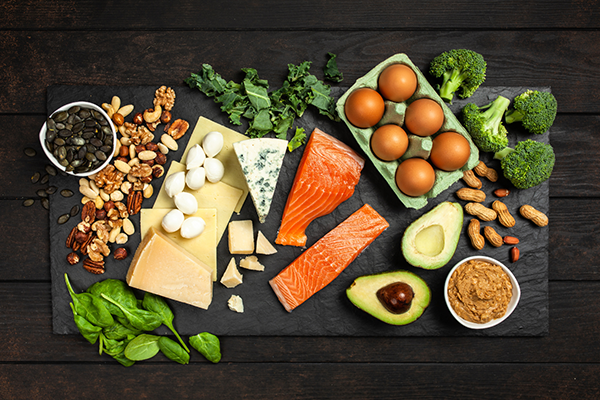
Ketosis and Weight Loss Per Week: A Guide to Realistic Expectations and Long-Term Goals
In the early 20th century, doctors discovered that ketosis, a state in which the body uses more fat for energy and produces ketones, could reduce severe epileptic seizures. Today, the ketogenic diet is best known as a weight loss approach, often associated with promises of rapid weight loss and improved metabolic health.
But how much weight can you actually lose per week on a ketogenic diet, and how sustainable are the results? If you're thinking about trying keto for weight loss, it's important to understand how ketosis works, as well as the potential benefits and risks. In this guide, we'll explore what research says about ketosis, short-term and long-term weight loss, and what to consider when finding an approach that works for your health and everyday life.

Cottage Cheese Buns with Pizza Flavour
By Tristan Welch
Cheesy, savoury, and irresistibly satisfying, these Cottage Cheese Pizza Buns deliver all the joy of pizza in a wholesome, protein-packed bite. Made with oats, eggs, and cottage cheese, they’re soft inside, golden outside, and flavoured with oregano and garlic. Perfect fresh or packed for later, they’re a smart comfort-food snack ideal for breakfast, lunch, or a post-workout bite.

Yazen's Festive Food Survival Guide for Weight Loss Drug Users
As the countdown to Christmas begins, for the estimated 1.5 million people in the UK using GLP-1/GIP weight loss medications, the fear of navigating the festive period without "falling off the wagon" is a number one concern. Digital healthcare provider Yazen is tackling this "festive food noise fear" with a practical survival guide and a new online series featuring world-class chef Tristan Welch and TV icon Gemma Collins.

Fasting for Weight Loss: A Guide to the Benefits and Risks
Fasting and intermittent fasting have become popular approaches for people looking to lose weight and improve their health, including methods such as 16:8 and 5:2. Many people find that fasting helps them manage their appetite and create a clearer routine around meals, but it isn't suitable for everyone and can come with risks. In this guide, we'll explore what fasting involves, its potential benefits and risks, and how it can be combined with Yazen's comprehensive treatment for overweight and obesity.

Intermittent Fasting for Weight Loss: How It Works, Risks and Benefits
Intermittent fasting is a popular way to reduce calorie intake to support weight loss. For some people, it makes it easier to find a routine that fits into everyday life, while others find that fasting leaves them feeling hungrier and more tired. In this article, we'll explore what happens in your body when you fast, how intermittent fasting can affect your weight and the benefits and risks worth knowing about.

Myths and facts about obesity
There are many myths and prejudices surrounding overweight and obesity. They are deeply rooted in society and can create guilt, shame and misunderstanding, despite obesity being a complex medical condition influenced by biology, environment and living conditions. When myths dominate the conversation, they obscure what actually helps. In this article, we address common misconceptions and highlight knowledge that truly makes a difference.

Body mass index (BMI), body measurements and body composition – why Yazen uses multiple measures
Body mass index (BMI) is a commonly used measure of the relationship between weight and height in weight loss and obesity treatment, but it does not provide the full picture of your health. At Yazen, we therefore complement BMI with body measurements and body composition to gain a better understanding of your body and develop more individualised strategies for sustainable weight loss.

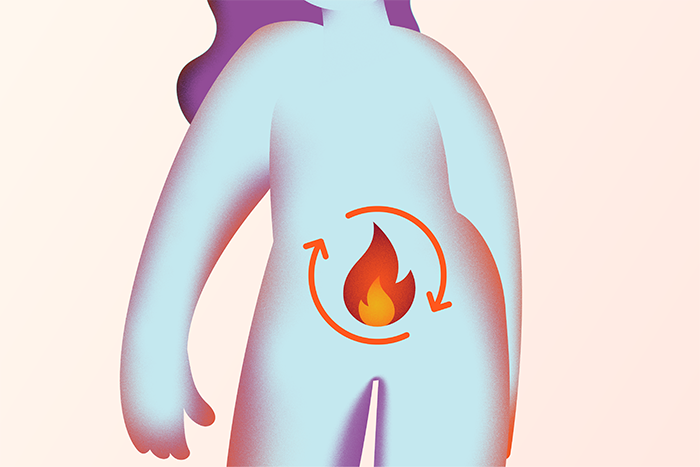
Boost your metabolism – how it works and how you can influence it
Every second, your body uses energy. Your brain needs fuel to think, your heart to keep beating, and your lungs to fill with air. Even when you are lying still, your body is constantly working in the background. All of this requires fuel. Metabolism, also known as metabolic rate, is the process by which the body converts food into energy.

Effective fat burning: a guide for those who want to burn fat the right way
Effective fat burning isn’t about extreme methods – it’s about understanding how the body uses energy, how you can increase your expenditure, and how to build habits that last for more than just a few weeks. Many people who want to lose weight think they need to do everything “perfectly”, but in reality it’s about finding long-term, sustainable strategies combined with training, nutrition, and more daily movement.



Beyond GLP-1 medicines: the path to successful and long-term weight loss
We are in a new era of obesity treatment. GLP-1-based medicines have transformed the landscape – but real success is achieved when medication becomes part of a comprehensive approach that supports the whole person.
Long-term health and weight loss require more than medicine alone. It is when medical treatment is combined with lifestyle change and continuous guidance that meaningful, lasting progress becomes possible (1–2).

Trulicity and Medical Weight Loss: How Treatment with Dulaglutide Works
Trulicity is a prescription medication containing the active substance dulaglutide. It belongs to the group of GLP-1 receptor agonists and is used for the treatment of type 2 diabetes.
Dulaglutide mimics the effect of the body's own hormone GLP-1, which helps regulate blood sugar. The medication can also affect appetite and satiety, which can lead to some weight loss.

Saxenda (liraglutide) in the Treatment of Obesity
Saxenda is a daily injection treatment with liraglutide that can reduce appetite and increase the feeling of fullness. It is used for overweight and obesity, combined with diet and exercise. The dosage is stepped up gradually to reduce side effects such as nausea.

How to reduce the risk of loose skin after weight loss
Weight loss can bring significant positive changes for both health and wellbeing. At the same time, many people experience loose skin after substantial weight loss, especially if the weight has decreased rapidly or if they have lived with overweight or obesity for a long time.
Loose skin is a natural result of changes in the skin’s elasticity as the body adjusts. By understanding how the skin is affected after weight loss and which factors influence its elasticity, you can give the skin better conditions to tighten and feel firmer again.

Ozempic (semaglutide) for the treatment of obesity
Ozempic is a prescription medication used for the treatment of type 2 diabetes as a supplement to diet and exercise. The active substance, semaglutide, contributes to improved blood sugar control and also has an appetite-suppressing effect, which can lead to weight loss.
