Health and lifestyle

How to reduce the risk of loose skin after weight loss
Weight loss can bring significant positive changes for both health and wellbeing. At the same time, many people experience loose skin after substantial weight loss, especially if the weight has decreased rapidly or if they have lived with overweight or obesity for a long time.
Loose skin is a natural result of changes in the skin’s elasticity as the body adjusts. By understanding how the skin is affected after weight loss and which factors influence its elasticity, you can give the skin better conditions to tighten and feel firmer again.

Blood pressure – a guide to normal levels, high, and low blood pressure
Blood pressure shows the force of the blood as it is pumped out into the blood vessels. Both high and low blood pressure can affect your health negatively, but high blood pressure is of particular concern. If blood pressure remains elevated over a longer period, it increases the strain on the blood vessels, which raises the risk of cardiovascular disease.
Weight loss and healthy lifestyle habits — such as eating a nutritious, balanced diet, being regularly physically active and reducing alcohol intake — can often help lower blood pressure, but in some cases medication is also required.

Are weight loss and fat loss the same thing?
Many people who want to improve their health talk about “losing weight” – but what does that actually mean? Is the goal to weigh less, or to reduce body fat? Although weight loss and fat loss are often used interchangeably, they are not quite the same thing. Understanding the difference can help you make healthier choices, set realistic goals and find an approach that works for you in the long term.
In this article, we'll explain the difference between weight loss and fat loss, why body composition matters for your health, and how to measure your progress beyond the number on the scales. You'll also learn how nutrition, physical activity and sustainable habits can help you reduce excess body fat while preserving muscle.

Exercise and diet for weight loss – a guide to healthy weight reduction
Losing weight in a healthy and sustainable way is not about quick fixes or extreme methods, but about making changes to your diet, exercise, and lifestyle that you can maintain over time.
In this article, we discuss how diet and physical activity work together, and how small changes in your daily routine can contribute to better long-term health.
How stress affects weight – why losing weight can be more difficult
Stress and weight loss are often connected. During prolonged stress, the body is affected by hormones such as cortisol and adrenaline, which can influence how the body uses energy, our appetite, and our eating habits. This can cause some people to lose weight, while others find it harder to lose weight – or even gain weight (1).
The best diet to lose weight quickly – how to do it in a healthy way
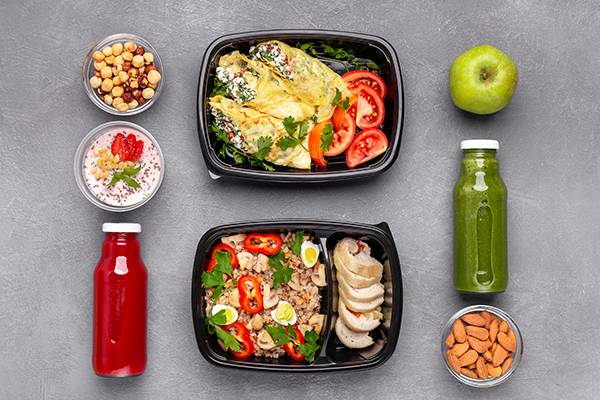
When you want to lose weight quickly, it’s easy to get caught up in headlines and new diet trends. However, research consistently points towards a more sustainable approach: the best diet for weight loss is one you can maintain over time – one that creates a calorie deficit while providing enough essential nutrients, vitamins and minerals. When your calorie intake is lower than the energy your body uses, you generally lose weight over time, regardless of what the diet is called (1,2).
If you're trying to lose weight and wondering which diet actually works, this article is for you. We'll explore what research says about popular weight loss diets, how different approaches compare, and what really matters for healthy, sustainable weight loss.
Losing weight after pregnancy – advice for new mothers
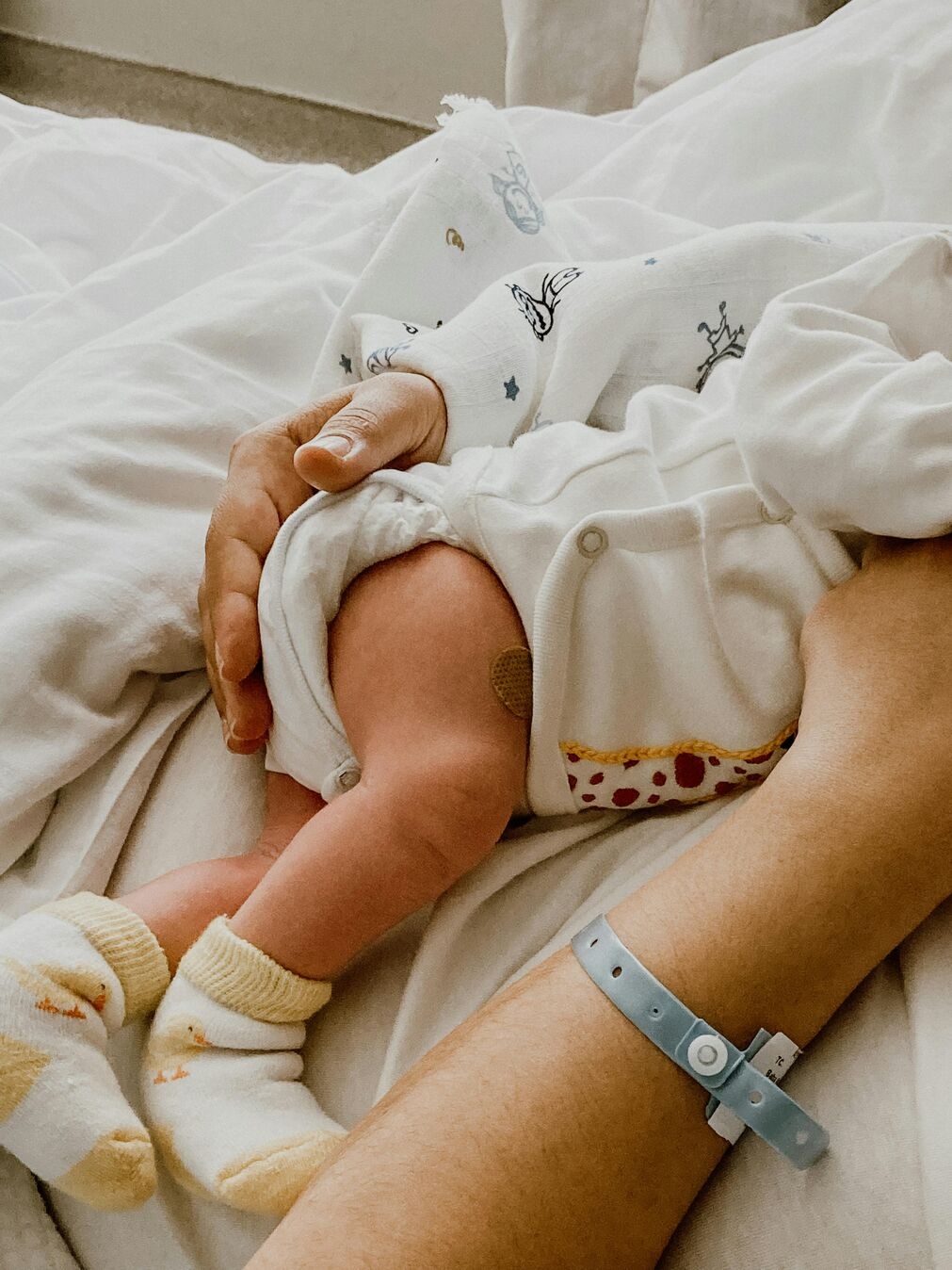
Losing weight after pregnancy is an individual process that looks different for everyone. For some, the weight decreases gradually and with little effort, while others find that it doesn’t decrease as expected despite healthy eating and exercise habits. How easy or difficult it is to lose weight depends on several factors, including how much weight you gained during pregnancy, your pre-pregnancy weight, diet, physical activity, genetics, and sleep.

Why am I not losing weight? Common causes and what you can do about them
Many people find it difficult to lose weight, even when eating healthily and exercising regularly. You might recognise the feeling: you plan your meals, move more, and try to keep a steady routine — yet the number on the scales doesn’t budge. Sometimes, it even goes up instead.

Building muscle and burning fat – how it all fits together
Many people who want to lose weight and build muscle focus mainly on the number on the scales. But can you build muscle and burn fat at the same time? Yes, it's possible, particularly if you're new to strength training. However, losing weight doesn't always mean losing body fat. Your body is made up of muscle, fat, water and bone, so changes in weight can be caused by several different factors.
If you want to lose weight, build muscle, or improve your body composition, understanding how your body uses energy is a good place to start. There are different ways to lose fat while preserving muscle mass, and finding an approach that suits your needs can help you achieve your weight loss goals. In this article, we'll explain how fat burning works, what helps you increase muscle mass, and how diet, physical activity, and recovery work together to support sustainable weight loss and better overall health.


Talking About Weight Loss With a Loved One
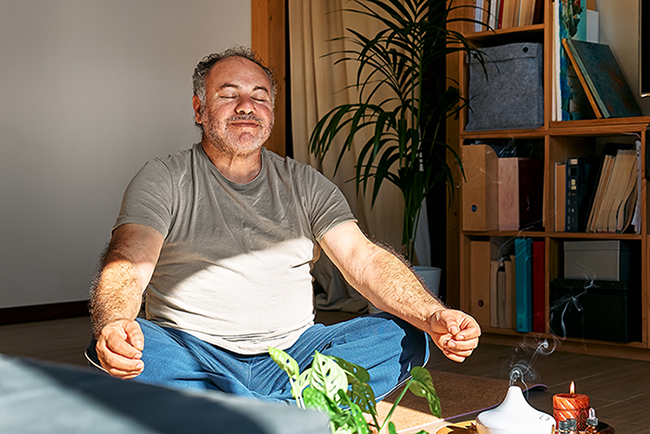
Conversations about weight with loved ones can be sensitive because they often carry stigma and personal emotions, making even well-intended concern feel like judgment. When approached with empathy, however, these talks can strengthen trust and encourage healthier habits.


A long-term, individualised weight loss programme for lasting change
Yazen’s evidence-based approach is rooted in science, with research showing that long-term behavioural changes lead to better weight loss maintenance and improved health. Our multidisciplinary programme incorporates these proven methods to ensure sustainable weight management for our patients.

Personalised long-term support for sustainable weight loss.
At Yazen, sustainable weight loss is achieved through a comprehensive, long-term approach, combining a multidisciplinary team of professionals to provide personalised support. Our focus on continuous care, motivation, and tailored strategies helps 70% of patients stay committed to their GLP-1 therapy journey after one year, promoting lasting health and weight maintenance.