
Rebeka B. Veress




Meal Replacements for Weight Loss: Benefits and Drawbacks
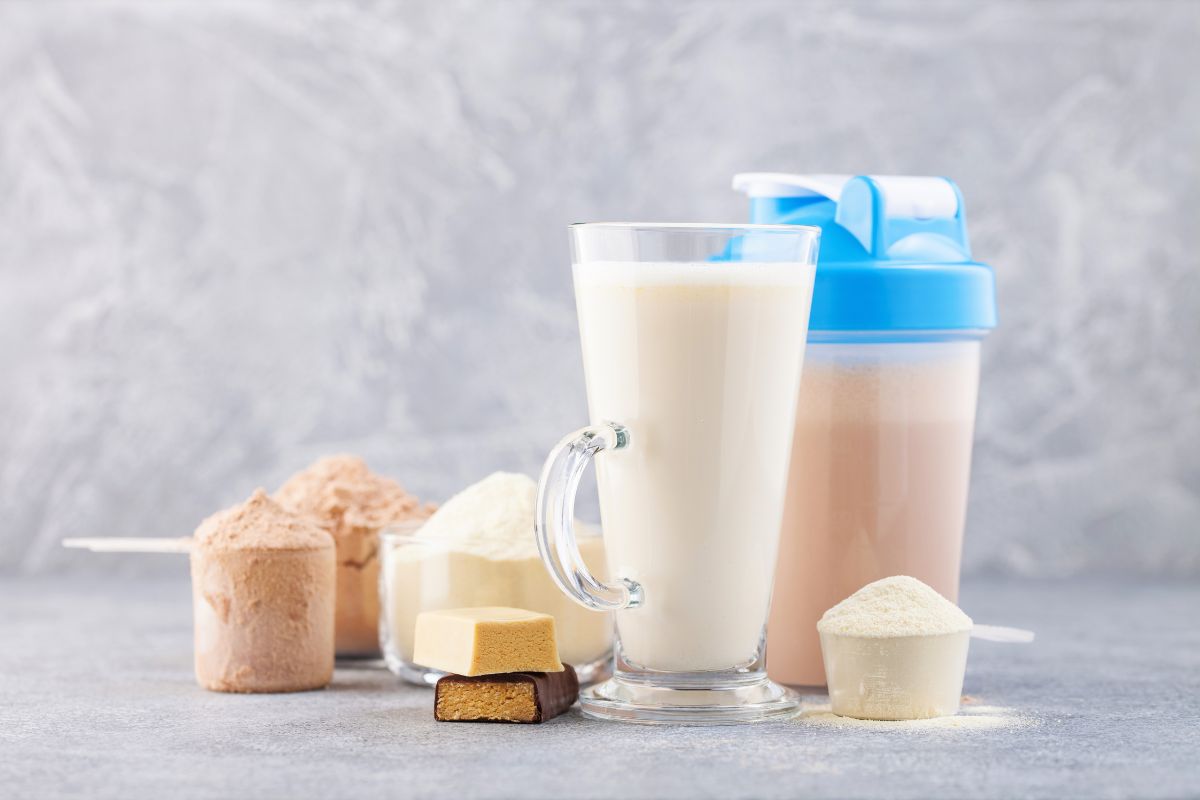
Meal replacements can be a simple, practical way to support weight loss or help you maintain a stable weight over time. For some people, they can make it easier to establish regular eating habits, plan meals and manage calorie intake, even on busy days. However, meal replacements aren't suitable for everyone, and it's important to consider your individual needs and circumstances. In this article, we'll look at how to use meal replacements, their advantages and disadvantages, and when they might be a useful option for weight loss and long-term weight management.
Protein Powder for Weight Loss: When, How and Who Is It For?
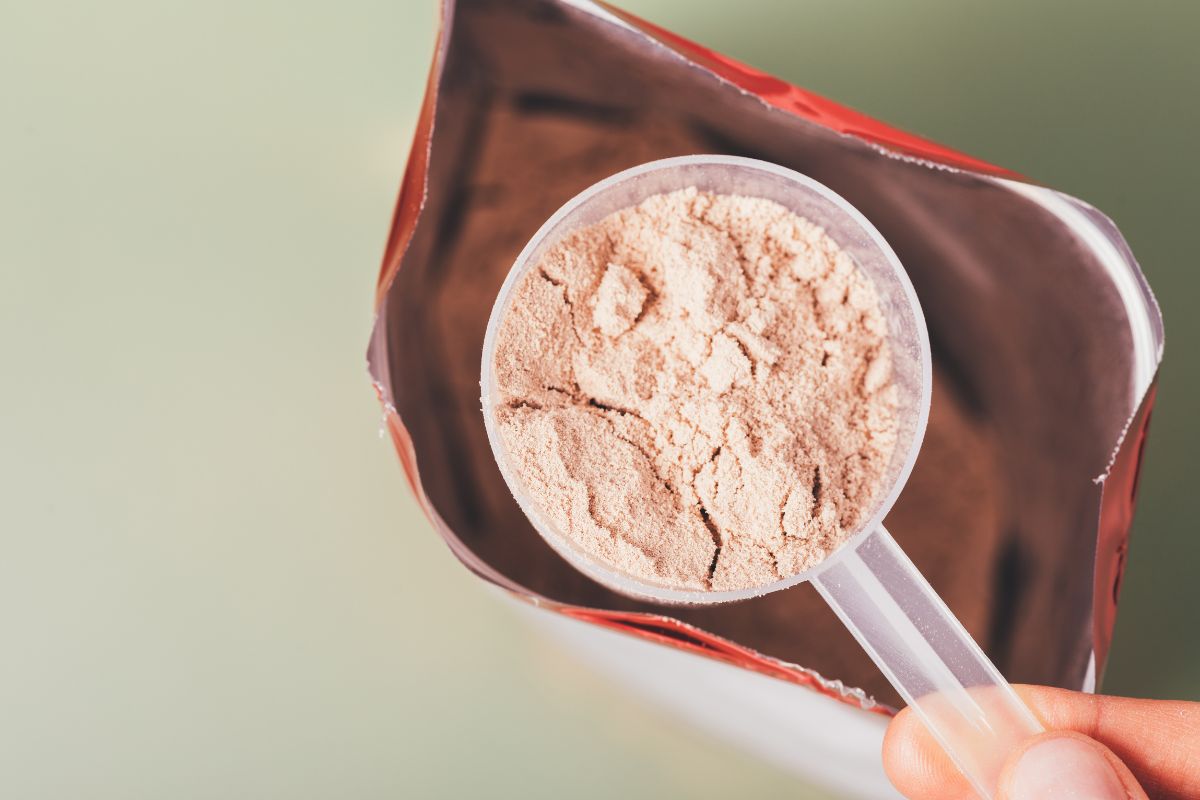
Protein powder can be a convenient addition to your diet when you're losing weight, especially if you find it difficult to get enough protein while eating less. It can be a simple, practical way to increase your protein intake when you're short on time or have a reduced appetite. However, protein powder isn't essential. Most people can get enough protein from everyday foods. In this article, we'll look at when protein powder might be useful, why protein matters during weight loss and what to consider when choosing a protein powder.
How Much Protein Do You Need Each Day to Build Muscle?
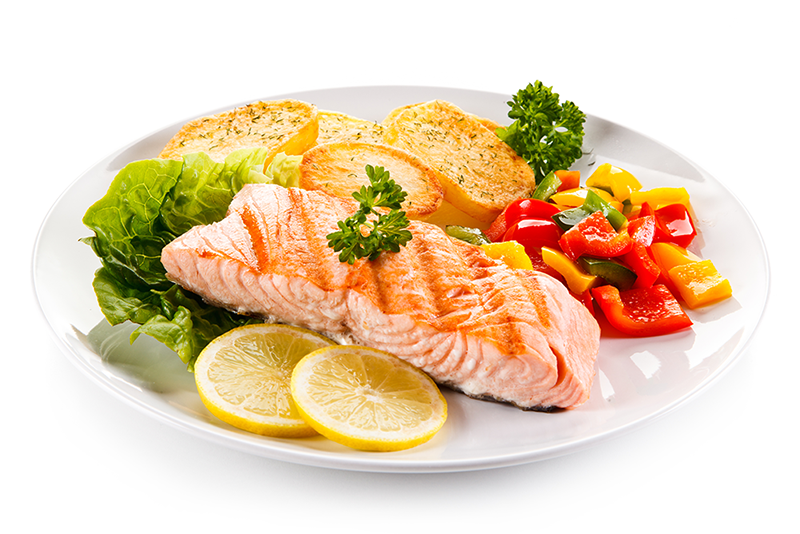
Protein is one of the body's most important building blocks and, alongside strength training, plays a key role in maintaining and building muscle. But how much protein do you actually need each day to build muscle? Is everyday food enough, or do you need protein shakes? And do your protein needs change if you're trying to lose weight or as you get older?
In this article, we'll explore what the research says about protein requirements for strength training and weight loss, how to calculate your daily protein needs and which foods can help you get enough.
Caesar Salad: Healthy, High-Protein Recipes
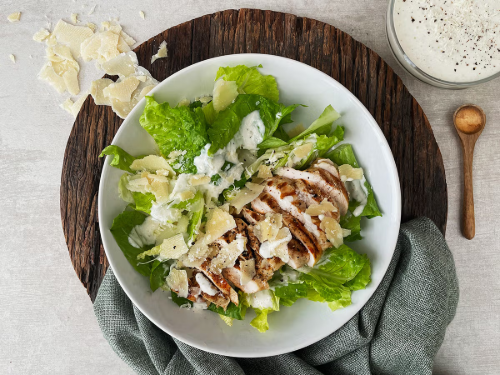
Crisp romaine lettuce, salty Parmesan and a creamy dressing with lemon, garlic and anchovies. It's easy to see why Caesar salad has become a timeless classic. Wondering how to make it even more nutritious? In this guide, we'll show you how to keep those classic flavours while making your salad more filling, whether that's with chicken, a lighter dressing or a pizza-inspired version with a high-protein chicken base.
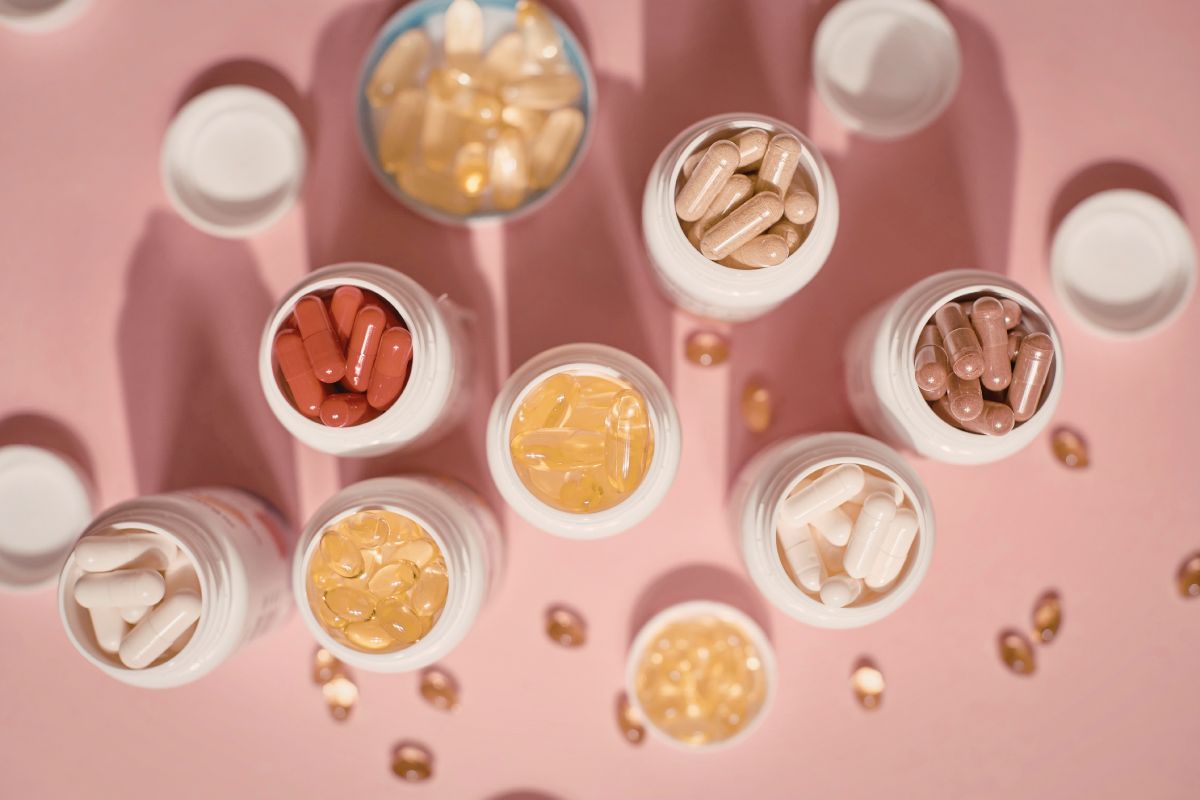
Antioxidant supplements: Do you need them or is a healthy diet enough?
Antioxidants protect your body's cells from damage caused by free radicals. Antioxidant supplements are often marketed as providing extra protection against stress and disease, but research shows they generally don't deliver the health benefits people hope for. High doses of certain antioxidants may even increase the risk of disease.
If you're thinking about taking antioxidant supplements or wondering whether a varied diet is enough, it's worth understanding what the research actually says. Here, we'll explain how antioxidants work, the potential benefits and risks of supplements, and how to get enough antioxidants through your diet.
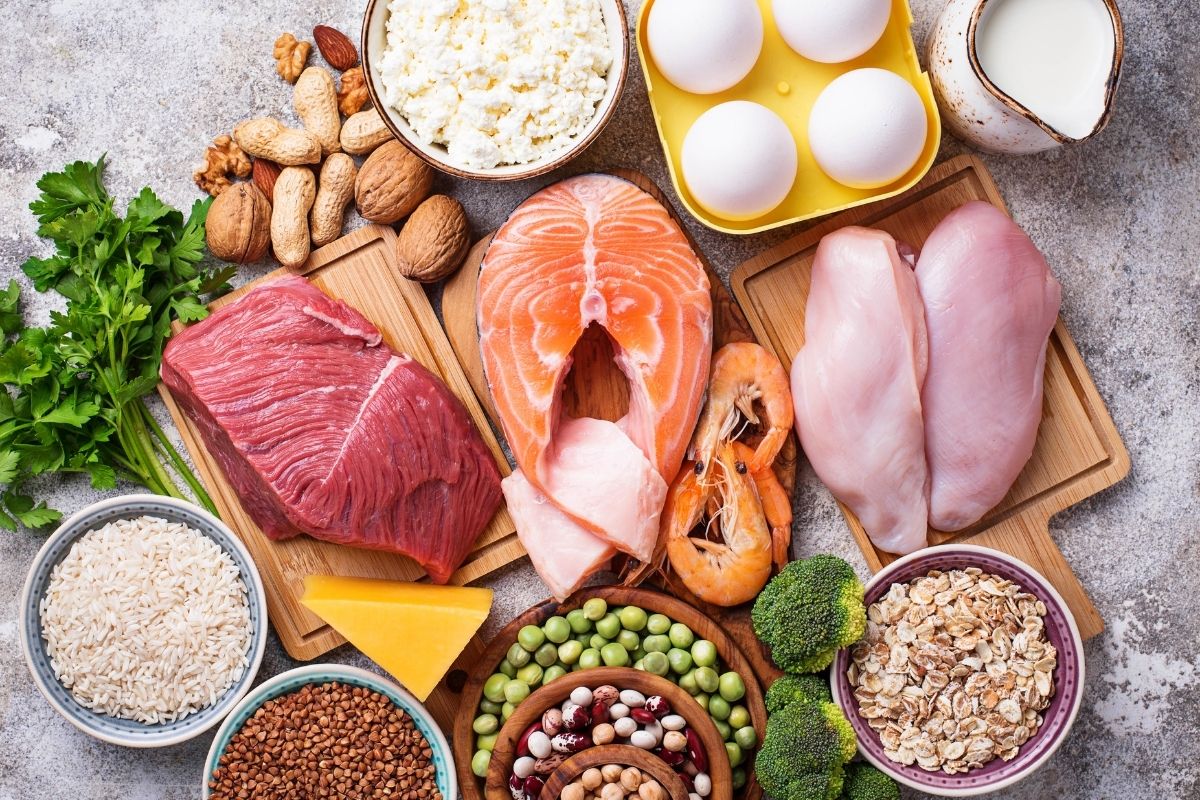
Protein for weight loss: Effects, benefits and risks
Protein can be a valuable part of sustainable weight loss. It can help you feel fuller for longer and preserve muscle mass when you're eating fewer calories than your body needs. But how much protein should you eat if you want to lose weight? What are the benefits and risks, and how can you get more protein into your diet? In this article, we'll explore everything you need to know about protein and weight loss.

Smoothies for weight loss: Do they work?
Can smoothies help you lose weight? The answer is both yes and no. If you're thinking about having smoothies for breakfast, as a snack or as part of your weight loss journey, it's worth understanding what they can actually do.
Smoothies themselves don't cause weight loss, no matter how healthy they are. To lose weight, your body needs to take in less energy than it uses over time. However, smoothies can play several useful roles as part of a varied diet. They can be a convenient option when you're short on time or don't have much of an appetite, as well as an easy way to get more protein, vegetables, fruit and berries into your diet.
L-Glutamine and Weight Loss: Science and Myths
L-glutamine is an amino acid often sold as a supplement for exercise and recovery. More recently, it's also been mentioned in connection with weight loss. But can L-glutamine really help you lose weight?
If you're thinking about trying L-glutamine to lose weight, preserve muscle mass while dieting or improve recovery, it's worth understanding what the research actually shows. Here, we'll explore what glutamine does in the body, its potential effects on weight and body composition, and what you should know before taking it as a supplement.
Weight loss supplements: options, effects and risks
Weight loss supplements are often marketed as quick, easy solutions, promising to reduce appetite, boost energy and increase fat burning. In reality, their effects on weight are often small or uncertain. Some supplements may be useful for meeting specific nutritional needs, but they can't replace a nutritious diet, sustainable lifestyle habits or medical treatment when needed.
Are you thinking about trying weight loss supplements, or have you already tried products without getting the results you hoped for? Here, we'll explore the different types of supplements available, what research says about their effects and the risks you should be aware of.
