
Rebeka B. Veress




Disadvantages of fasting
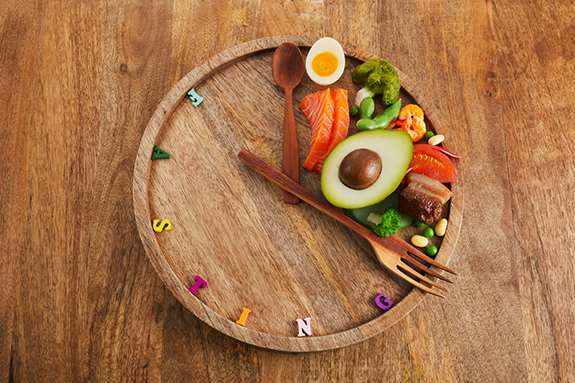
Fasting is often used as a way to lose weight and improve health. There are several types of intermittent fasting, with 5:2, 16:8, Eat-Stop-Eat and alternate-day fasting among the most common. For some people, fasting can help create a more structured eating routine and reduce calorie intake. Studies also show that intermittent fasting may improve blood sugar control and certain other markers of metabolic health in some people.
But what are the disadvantages of fasting, and who should avoid it? Fasting isn't suitable for everyone and can come with practical challenges and health risks. Here, we'll explore the most common drawbacks of intermittent fasting, what the research says and what to consider if you're thinking about trying it.
Is Ketosis dangerous? When It can be risky and the drawbacks of a Keto Diet
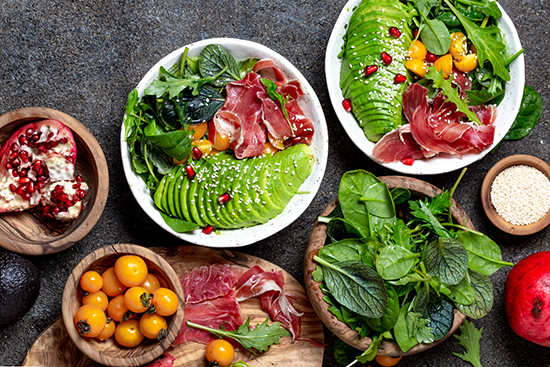
The word "keto" comes from ketone bodies, substances produced when your body mainly uses fat for fuel instead of glucose. When ketone levels in the blood rise, this is called ketosis. It's a natural state that your body can enter during fasting or when you eat very few carbohydrates.
But when can ketosis be dangerous, and what are the risks of a ketogenic diet? In this article, we'll explore the benefits, drawbacks and what the research says.

What Are Ketones? The Science Behind Ketosis Explained
In the liver, fat is converted into ketones, an alternative source of energy for the body and brain when carbohydrates are in short supply. This state is called ketosis, or keto in everyday language, and plays an important role in how the body adapts to periods when energy is limited. In this article, we'll explain what ketones and ketosis are, how ketones are produced and why they matter.
Low-GI Foods: Recipes and Guide
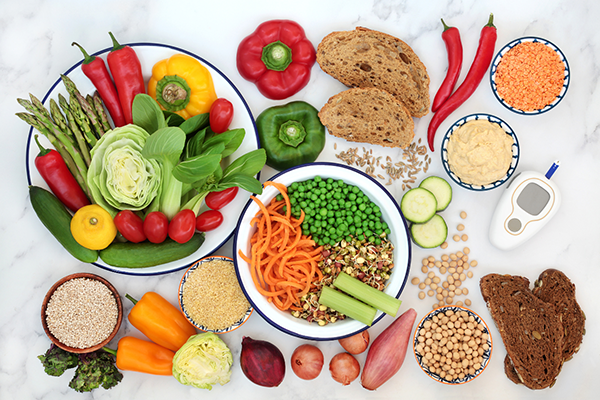
The glycaemic index (GI) approach was originally developed to help people with diabetes choose carbohydrates that cause a slower rise in blood sugar. Since then, it's also become popular with people who want to eat more healthily and create balanced meals. GI describes how much carbohydrates from different foods raise blood sugar compared with a reference, usually glucose. In this guide, we'll explain what low-GI foods are, which foods you might want to choose and how to combine different carbohydrates to create tasty, satisfying meals. You'll also find practical tips and recipes featuring fibre-rich, nutritious ingredients.
Low-GI Foods: Benefits and Drawbacks
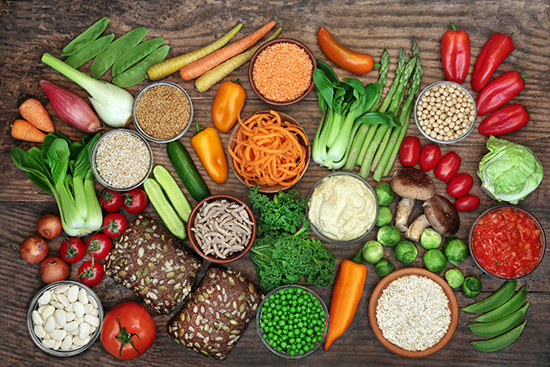
The concept of the glycaemic index (GI) was introduced by researcher David Jenkins and his colleagues over 40 years ago as a way of describing how carbohydrates affect blood sugar levels. Foods with a low GI generally cause a slower, smaller rise in blood sugar, while high-GI foods tend to raise blood sugar more quickly.
But does choosing low-GI foods make a difference to your health or weight? If you want to understand carbohydrates better, eat more healthily or are considering a low-GI diet for weight loss, it's worth knowing both the benefits and limitations. In this guide, we'll explore how the glycaemic index works, what research says about low-GI foods and how to make food choices that support sustainable habits.
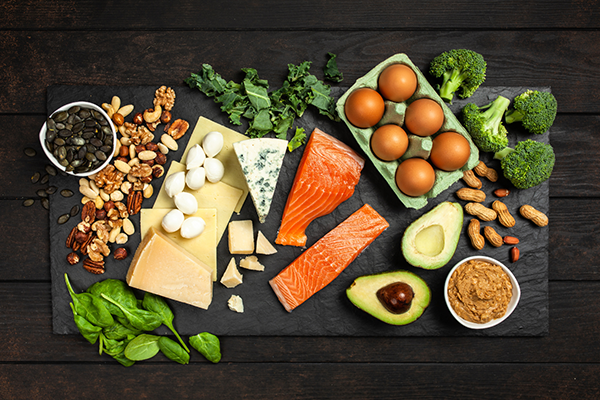
Ketosis and Weight Loss Per Week: A Guide to Realistic Expectations and Long-Term Goals
In the early 20th century, doctors discovered that ketosis, a state in which the body uses more fat for energy and produces ketones, could reduce severe epileptic seizures. Today, the ketogenic diet is best known as a weight loss approach, often associated with promises of rapid weight loss and improved metabolic health.
But how much weight can you actually lose per week on a ketogenic diet, and how sustainable are the results? If you're thinking about trying keto for weight loss, it's important to understand how ketosis works, as well as the potential benefits and risks. In this guide, we'll explore what research says about ketosis, short-term and long-term weight loss, and what to consider when finding an approach that works for your health and everyday life.

Fasting for Weight Loss: A Guide to the Benefits and Risks
Fasting and intermittent fasting have become popular approaches for people looking to lose weight and improve their health, including methods such as 16:8 and 5:2. Many people find that fasting helps them manage their appetite and create a clearer routine around meals, but it isn't suitable for everyone and can come with risks. In this guide, we'll explore what fasting involves, its potential benefits and risks, and how it can be combined with Yazen's comprehensive treatment for overweight and obesity.

Intermittent Fasting for Weight Loss: How It Works, Risks and Benefits
Intermittent fasting is a popular way to reduce calorie intake to support weight loss. For some people, it makes it easier to find a routine that fits into everyday life, while others find that fasting leaves them feeling hungrier and more tired. In this article, we'll explore what happens in your body when you fast, how intermittent fasting can affect your weight and the benefits and risks worth knowing about.
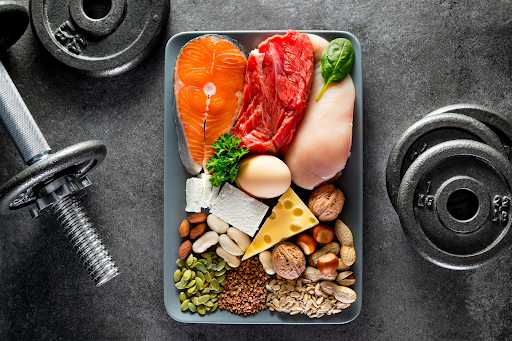
Does Protein Timing Matter for Building Muscle?
Have you heard that you need to drink a protein shake straight after a workout to get the best results? For years, there's been talk of a short window when your body is supposedly more receptive to protein. But how much does timing really matter when it comes to building muscle? In this article, we'll explore what the research says and what you need to know about protein intake to get the most out of your training.
