
Linda Cronberg
Linda Cronberg is a registered dietitian with a Bachelor’s degree in Sports Science and has over 25 years of experience in healthcare and social care, 15 of which have been focused on lifestyle and behavioural change in relation to overweight and obesity. At Yazen, Linda works as a Medical Copywriter and Content Developer, and is also involved in the development of the company’s own nutritional supplements.




Meal replacements for weight loss: the pros and cons
Meal replacements are sometimes used as a tool for weight loss and weight management. There are lots of different products to choose from, designed to replace one or more meals in a nutritionally balanced way. For some people, they can be a practical support and make it easier to keep track of energy intake, but they are not right for everyone. In this article, we look at the pros and cons of using meal replacements for weight loss.
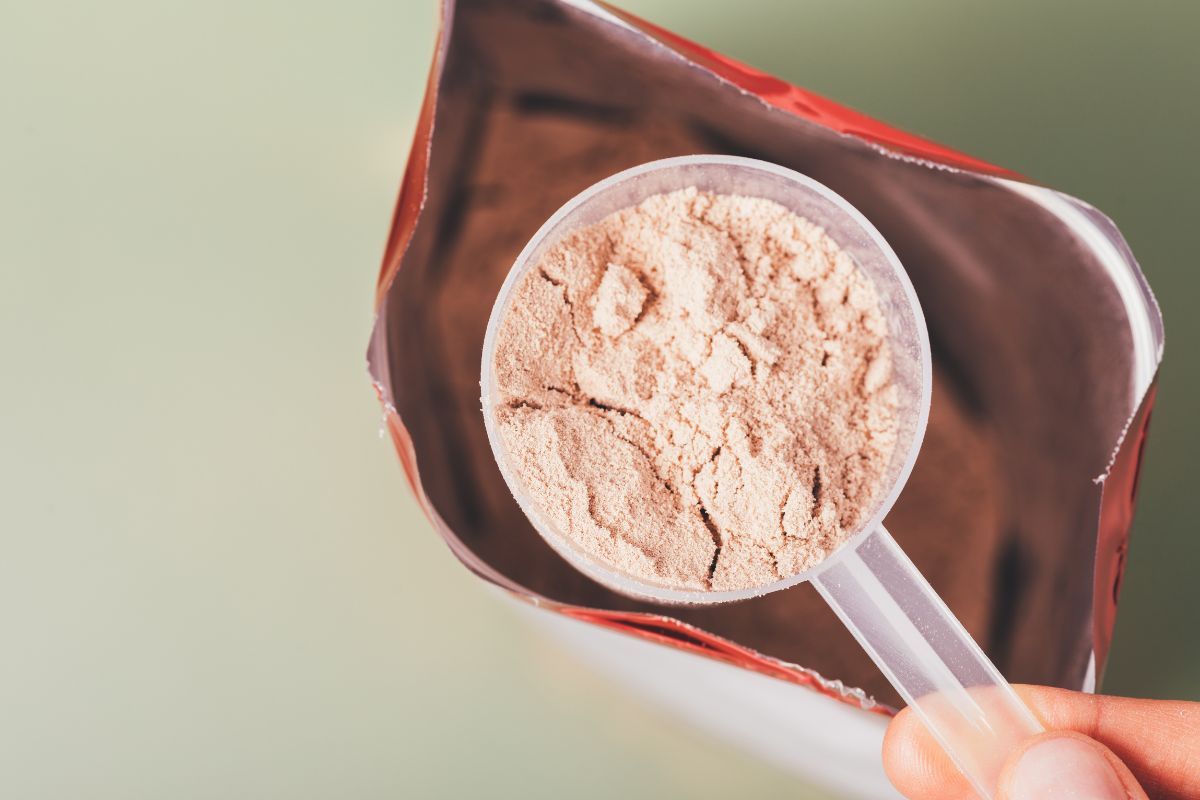
Protein powder and weight loss: when it helps, how to use it, and who it’s for
Protein powder can be a handy support when you’re losing weight, especially if it feels hard to get enough protein once you’re eating fewer calories. For some people, it’s a convenient option that makes meal planning a bit easier. That said, protein powder isn’t essential and it doesn’t replace a nutritious, varied diet. In this article, we look at when protein powder can be helpful and how it might support weight loss.
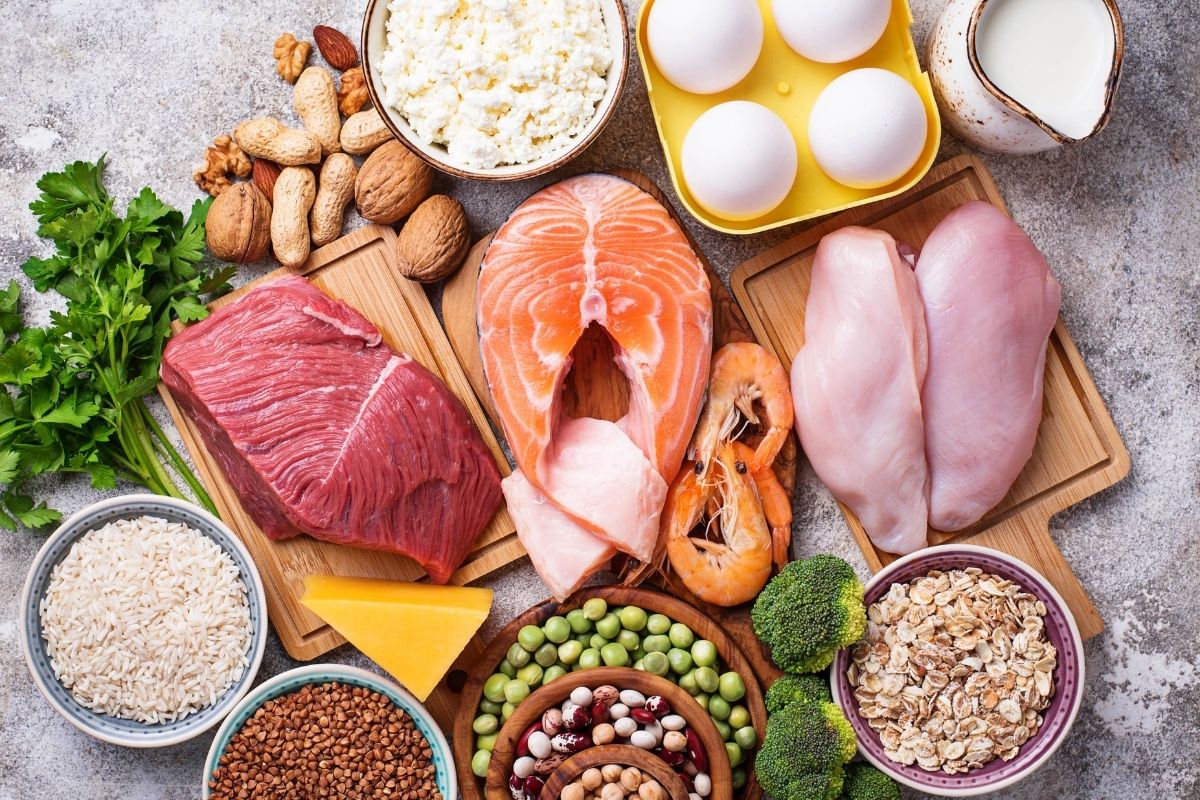
Protein and weight loss: effects, benefits and risks
Protein can be a helpful support if you’re aiming to lose weight in a sustainable way. It can help you feel fuller for longer and support your body in maintaining muscle mass when you’re eating fewer calories. But how much protein do you actually need when trying to lose weight, what are the benefits and possible risks, and how can you increase your protein intake in everyday life? In this article, we go through everything you need to know about protein and weight loss.
.jpg)
How much weight can you lose in a month?
“How much weight can you lose in a month?” is a question many people ask when they want to lose weight. It’s a completely understandable thing to wonder. At the same time, it’s important to remember that weight loss isn’t a race, and quick results don’t always mean long-term success.
.png)
Smoothies for weight loss. Do they actually work?
The answer is both yes and no. It’s not smoothies themselves that lead to weight loss, no matter how “healthy” they seem. Losing weight always comes down to being in a calorie deficit.
That said, smoothies can still have a place in a balanced diet. They can be a handy option when you’re short on time or don’t feel very hungry, and they’re also an easy way to get more protein, veg, fruit and berries into your day.

L-glutamine and weight loss: science and myths
L-glutamine is an amino acid often sold as a supplement for training and recovery. More recently, it has also been mentioned in connection with weight loss. But is there actually evidence that L-glutamine can help you lose weight? In this article, we go through what the research shows and clarify common claims about L-glutamine.

Weight loss supplements: options, effects and risks
Weight loss supplements are often marketed as quick, easy fixes, with promises of reduced appetite, more energy and increased fat burning. In reality, the effect is usually modest. In some cases they can be a small addition to a healthy diet, but they do not replace what really affects weight and health in the long term: everyday habits, energy balance and behaviour.
Downsides of fasting
Fasting is often used as a tool for weight loss and better health. There are several types of time-restricted eating, also called intermittent fasting. The most common are 5:2, 16:8, Eat Stop Eat, and alternate-day fasting. For some people, fasting can make mealtimes feel more structured and help reduce overall energy intake. But it is not right for everyone, and for some it can come with risks and limitations that are important to know about.
Is ketosis dangerous? When it can be risky and the downsides of the keto diet
The word “keto” comes from ketones – substances the body produces when it mainly uses fat for energy instead of glucose. When ketone levels rise in the blood, this is called ketosis. It’s a natural state the body can enter during things like fasting or when you eat very few carbohydrates. But when can ketosis be harmful, and what are the risks of a ketogenic diet? In this article, we look at what the research actually says.
