
Linda Cronberg
Linda Cronberg is a registered dietitian with a Bachelor’s degree in Sports Science and has over 25 years of experience in healthcare and social care, 15 of which have been focused on lifestyle and behavioural change in relation to overweight and obesity. At Yazen, Linda works as a Medical Copywriter and Content Developer, and is also involved in the development of the company’s own nutritional supplements.




Tired and gaining weight? Common causes and what you can do
Do you recognize the feeling of being tired all the time while also gaining weight, without understanding why? You’re not alone. Many people experience that their body feels heavier and everyday life more demanding when energy levels are low. It can be both frustrating and worrying, but there are often explanations for why this happens.

Anti-inflammatory diet: Everything you need to know
Anti-inflammatory diets have become increasingly popular and are often promoted with claims about "superfoods" and promises of better health and wellbeing. But what does eating an anti-inflammatory diet actually mean, and can the food you eat affect inflammation in your body?
Whether you want to eat more healthily, lose weight or understand the connection between diet and inflammation, we'll explore what the research says, which foods are commonly included and what health benefits you can realistically expect. We'll also look at how diet relates to low-grade inflammation, weight loss and chronic conditions, and why your overall eating habits matter more than individual ingredients.
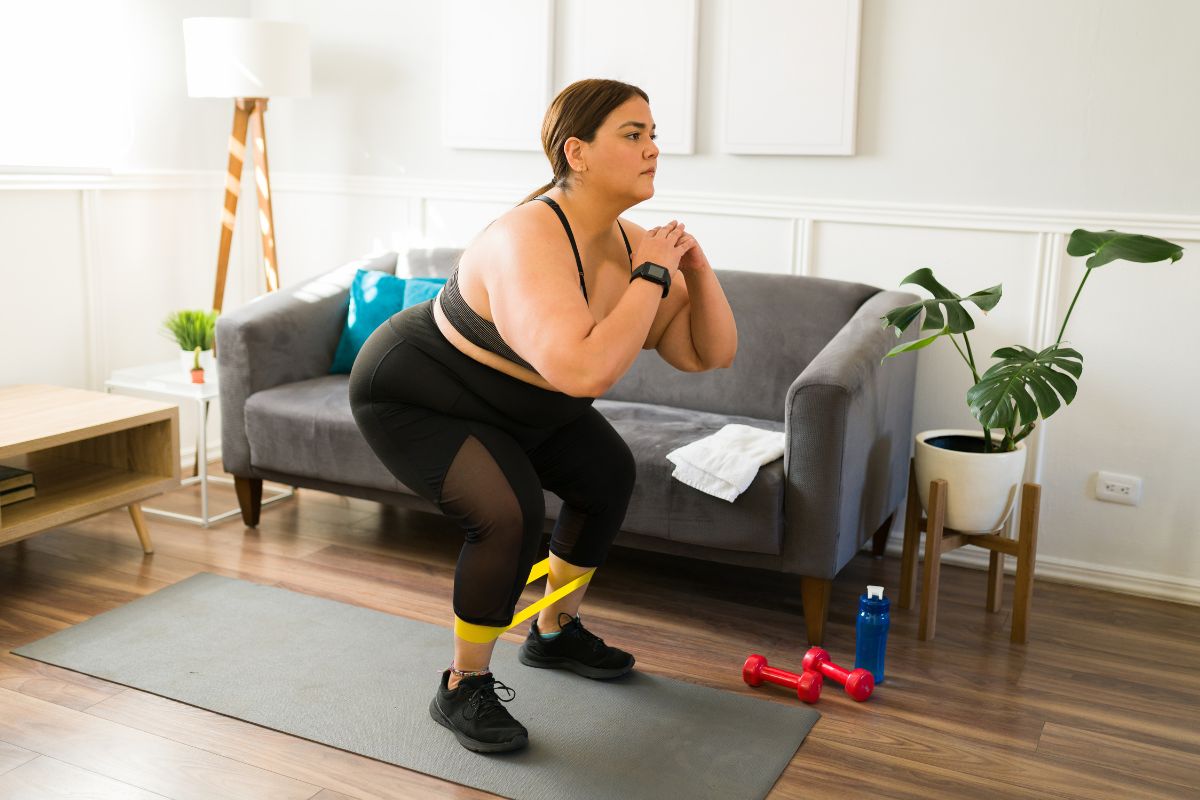
Losing weight with home workouts – does it actually work?
For many people, working out at home feels like a more realistic way to get started than having to make it to the gym. When you can exercise on your own terms, in your own space, it lowers the barrier to getting going. And home workouts can be just as effective as training at the gym.

Calculate body fat percentage – how it works and what it means for your health
Body fat percentage shows how much of your body weight is made up of fat. It’s often used alongside BMI and weight to give a more rounded picture of health. But how do you actually calculate body fat percentage, what methods are available, and what do the numbers really tell you?

One month without alcohol: What it could mean for your weight and health
Taking a month off alcohol has become increasingly popular, especially with challenges like Dry January. But what happens to your body when you take a break from drinking, and what health benefits might you notice?
Whether you're thinking about drinking less, want to lose weight or are simply curious about how alcohol affects your health, we'll explore what might happen to your weight, sleep and body during an alcohol-free month. We'll also look at the risks associated with alcohol and why your habits over the longer term matter most.

Support with weight loss through medication and lifestyle changes
Struggling to lose weight isn’t just about what you eat or how much you move. Body weight is controlled by a complex mix of biological factors, including hormones, appetite and fullness signals, and how your metabolism works.
For people who have already tried making lifestyle changes without seeing enough or lasting results, medication alongside lifestyle support can be an option to consider.
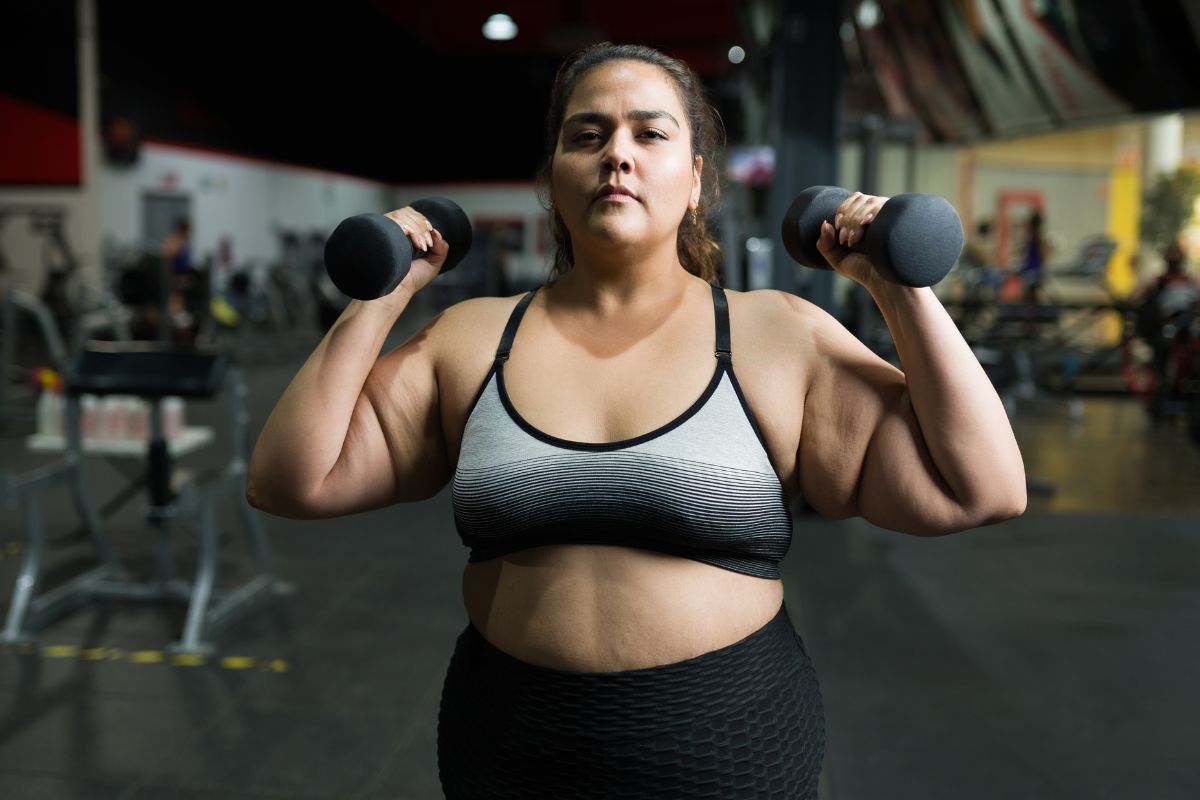
Strength training for weight loss – for results that last
Many people who want to lose weight focus mainly on food and cardio. But strength training during weight loss plays a key role in both your results and how your body feels in the long run. By building and maintaining muscle mass, you can boost fat burning, lower the risk of regaining weight, and support a stronger, more functional body.

Lose weight without exercise: a guide and your options
Many people think exercise is essential for losing weight. But at its core, weight is about energy balance. How much energy you take in compared to how much your body uses. That means it is possible to lose weight even if you are not exercising. At the same time, being active is one of the best things you can do for your long-term health.

How much weight can you lose in a month?
“How much weight can you lose in a month?” is a question many people ask when they want to lose weight. It’s completely understandable to want to know what to expect, especially if you're just starting your weight loss journey. At the same time, weight loss isn't a race, and quick results don't always mean long-term success.
If you're considering losing weight, have recently started making lifestyle changes or are receiving medical treatment for weight management, this article is for you. We'll explore how much weight you might realistically lose in a month, why results vary, and how nutrition, physical activity and medical support can help. We'll also look at setting realistic goals and maintaining your progress over time.
