
Linda Cronberg
Linda Cronberg is a registered dietitian with a Bachelor’s degree in Sports Science and has over 25 years of experience in healthcare and social care, 15 of which have been focused on lifestyle and behavioural change in relation to overweight and obesity. At Yazen, Linda works as a Medical Copywriter and Content Developer, and is also involved in the development of the company’s own nutritional supplements.




What are ketones? Ketosis explained scientifically
In the liver, fat is converted into ketones – an alternative fuel for the body and brain when carbohydrate availability is low. This state is called ketosis, or “keto” in everyday terms, and is an important part of the body’s ability to adapt to periods of limited energy availability. In this article, we explain ketones and ketosis – what they are, how they are produced, and why they matter.

Low-GI foods: recipes and guide
The GI method was originally developed to help people with diabetes, but has since become a popular approach for healthier eating and more stable blood sugar levels. GI (glycaemic index) describes how quickly carbohydrates are broken down and absorbed into the bloodstream – the lower the GI, the more slowly blood sugar rises. In this guide, we explain what low-GI foods are and share practical tips for creating meals with a lower glycaemic index.
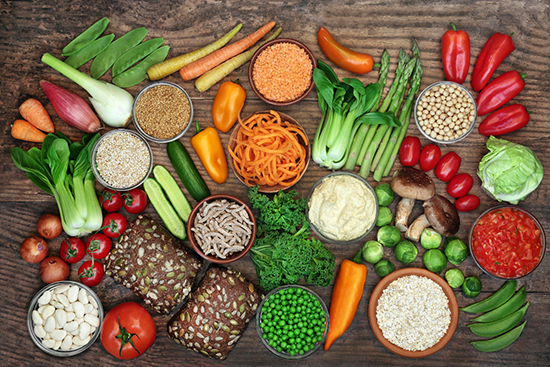
Low-GI foods: advantages and disadvantages
The concept of the glycaemic index (GI) was introduced by researcher David Jenkins and his colleagues more than 40 years ago as a way to describe how carbohydrates affect blood sugar. Foods with a low GI produce a slower, more even rise in blood sugar, while foods with a high GI raise blood sugar more quickly. In this article, we go through how GI works, what the research says, and the pros and cons.
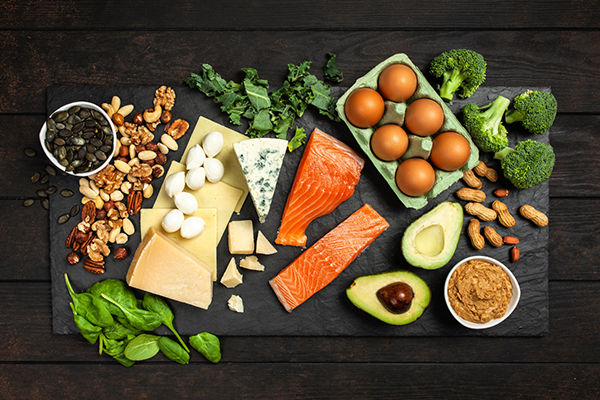
Ketosis weight loss per week: guide and long-term goals
In the early 20th century, doctors discovered that ketosis – a state in which the body uses fat as its main source of energy – could reduce severe epileptic seizures. Today, the ketogenic diet is best known in the context of weight loss and health, with promises of rapid weight loss and improved metabolic health. But what actually holds true? In this guide, we explore the relationship between ketosis, weight loss, and health.

Fasting for weight loss: guide, risks and benefits
Fasting and intermittent fasting are popular ways to lose weight and improve health – for example through 16:8 schedules and the 5:2 approach. Many people experience better appetite control and a clearer daily structure, but the method is not suitable for everyone and may involve risks. In this guide, we go through what fasting is, its potential benefits and risks, and how it can be combined with Yazen’s comprehensive treatment for overweight and obesity.

Intermittent fasting for weight loss: how it works, benefits, and risks
Intermittent fasting is a popular way to reduce energy intake for weight loss. For some people, it can be a helpful support on a weight journey, but it’s not right for everyone and needs careful thought to be safe and sustainable. In this article, we look at how intermittent fasting works, potential benefits, and risks you should be aware of.
Boost your metabolism – how it works and how you can influence it
Every second, your body uses energy. Your brain needs fuel to think, your heart to keep beating, and your lungs to fill with air. Even when you are lying still, your body is constantly working in the background. All of this requires fuel. Metabolism, also known as metabolic rate, is the process by which the body converts food into energy.

Effective fat burning: a guide for those who want to burn fat the right way
Effective fat burning isn’t about extreme methods – it’s about understanding how the body uses energy, how you can increase your expenditure, and how to build habits that last for more than just a few weeks. Many people who want to lose weight think they need to do everything “perfectly”, but in reality it’s about finding long-term, sustainable strategies combined with training, nutrition, and more daily movement.

Blood pressure – a guide to normal levels, high, and low blood pressure
Blood pressure shows the force of the blood as it is pumped out into the blood vessels. Both high and low blood pressure can affect your health negatively, but high blood pressure is of particular concern. If blood pressure remains elevated over a longer period, it increases the strain on the blood vessels, which raises the risk of cardiovascular disease.
Weight loss and healthy lifestyle habits — such as eating a nutritious, balanced diet, being regularly physically active and reducing alcohol intake — can often help lower blood pressure, but in some cases medication is also required.
