

From scurvy to scientific understanding
As far back as the 18th century, people discovered that sailors developed scurvy during long voyages. The condition is caused by a lack of vitamin C, which is found in foods such as citrus fruits, potatoes and vegetables. Sailors who ate oranges avoided symptoms such as bleeding and tooth loss. This was one of the earliest discoveries showing just how important vitamins and minerals are for our health.
Small nutrients with a big impact
During the 20th century, scientists began to understand that the body needs more than just energy from carbohydrates, fats and protein. It also needs vitamins and minerals, nutrients required in small amounts that play a vital role in many bodily functions. These include the immune system, nervous system, metabolism, vision, red blood cell production and bone health.
The 13 essential vitamins your body needs
There are 13 essential vitamins that your body needs to function properly:
- Vitamins A, C, D, E and K.
- Eight B vitamins: thiamin (B1), riboflavin (B2), niacin (B3), pantothenic acid (B5), biotin (B7), vitamin B6, vitamin B12 and folate (B9).
Every vitamin has its own role, from supporting your vision and immune system to helping your body release energy from food. Vitamin K, for example, is needed for normal blood clotting.
Fat-soluble vitamins (A, D, E and K) can be stored in the liver and fatty tissue, meaning your body can draw on these reserves when needed.
Water-soluble vitamins (vitamin C and the B vitamins), on the other hand, generally need to be consumed regularly through food because the body has a limited ability to store them, and excess amounts are often passed out in urine. One interesting exception is vitamin B12, which can be stored in the liver for several years.
Minerals: The body's building blocks
As well as vitamins, your body needs minerals and trace elements such as iron, calcium, zinc, selenium, magnesium, iodine and potassium.
Although they're needed in relatively small amounts, they have many important functions. Calcium helps build and maintain strong bones, iron is needed to transport oxygen around the body, and magnesium supports normal muscle and nerve function.
Other minerals, such as zinc and selenium, help protect the body's cells against oxidative damage.
When might you need supplements?
Most adults who eat a varied diet don't need supplements because they get the nutrients they need from food.
However, vitamin and mineral supplements may sometimes be necessary if you have an illness, a reduced appetite, difficulty absorbing nutrients or a limited diet.
Following a calorie deficit for a long period, for example during weight loss when you're eating fewer than 1,500 kcal a day, can also make it harder to get enough vitamins and minerals. That's why it's particularly important to choose nutrient-rich foods when you're eating less.
Supplements come in different forms, including tablets, capsules and powders. If you think you might have a nutritional deficiency, a healthcare professional can help assess whether you need blood tests or supplements.
Speak to a doctor or another healthcare professional before taking additional vitamins or minerals, particularly if you're taking medication.
Supplements marketed for weight loss may also contain caffeine or other stimulants. These shouldn't be confused with vitamin and mineral supplements designed to help meet your nutritional needs.
Important vitamins and minerals to know about
Vitamin D: For bones and the immune system
Vitamin D helps your body absorb calcium, supports strong bones and is needed for your immune system to function properly.
It's found in foods such as oily fish, eggs, fortified dairy products and fortified spreads. Unlike most other vitamins, your body can also produce vitamin D when your skin is exposed to sunlight.
In the UK, sunlight is generally not strong enough for the skin to produce sufficient vitamin D during autumn and winter, roughly from October to March. During these months, getting vitamin D from food and supplements becomes particularly important.
UK guidance recommends that everyone aged 4 years and over should consider taking a daily supplement containing 10 micrograms of vitamin D during autumn and winter. Some people may need supplements throughout the year, particularly those who have little or no exposure to sunlight. Babies and young children also have specific vitamin D supplementation recommendations.
Vitamin D deficiency is also more common among people living with overweight or obesity. Because vitamin D is fat-soluble, it can be stored in fatty tissue, which is one of several possible explanations for why blood vitamin D levels are often lower.
However, this doesn't mean that everyone living with overweight needs supplements. Your individual needs depend on factors such as your diet, sun exposure throughout the year and personal risk factors.
Folate: Important for blood and pregnancy
Folate is needed to produce new cells and red blood cells. It's particularly important for women who are pregnant or planning a pregnancy because adequate folate intake helps reduce the risk of neural tube defects, such as spina bifida, in the developing baby.
You can get folate from foods such as leafy green vegetables, cabbage, beans, lentils, fruit and wholegrains.
Supplements usually contain folic acid, which is a synthetic form of folate.
Vitamin B12: For energy metabolism and the nervous system
Vitamin B12 is needed for several important functions, including energy metabolism, the nervous system and red blood cell production.
It's mainly found in animal products such as meat, fish, eggs and dairy foods.
If you follow a fully plant-based diet, you'll need to take a supplement or choose foods fortified with vitamin B12, as plant-based foods don't naturally contain enough B12 to meet your body's needs.
If you follow a vegan diet, you may also need vitamin D supplements, particularly if you consume few fortified foods or spend little time in the sun.
As we get older, our bodies become less efficient at absorbing vitamin B12, even if we regularly eat foods that contain it.
Iron: For healthy blood and energy levels
Iron is a mineral your body needs to produce haemoglobin in red blood cells, which carries oxygen to tissues throughout your body.
You can get iron from foods such as meat, fish, eggs, beans, lentils and wholegrains.
Iron from animal products is generally absorbed more easily than iron from plant sources. Vitamin C improves iron absorption, so including fruit and vegetables with your meals can help your body absorb iron from food.
Iron deficiency is most common among women and teenage girls who menstruate, partly because of blood loss during periods.
People living with obesity may also have an increased risk of iron deficiency. One possible explanation is that low-grade inflammation in fatty tissue can affect how the body regulates iron absorption, reducing the amount absorbed from food.
Magnesium: For muscles and energy
Magnesium is needed for normal muscle and nerve function and helps your body release energy from food.
It's found in many everyday foods, including beans, lentils, wholegrains, leafy green vegetables, meat, fish and seafood.
Wholemeal bread contains around three times as much magnesium as white bread.
Pumpkin seeds are another good source of magnesium. Just three tablespoons (around 27 g) can provide approximately 160 mg of magnesium, which is a substantial proportion of the daily requirement for most adults.
Calcium: For bones and teeth
Calcium is important for building and maintaining strong bones and teeth. Your body also needs vitamin D to absorb calcium effectively.
You mainly get calcium from milk, yoghurt, cheese, quark and cottage cheese.
It's also found in leafy green vegetables, nuts and seeds, although generally in smaller amounts. This means you'd need to eat considerably larger portions of these foods to meet your calcium needs.
If you choose plant-based alternatives to dairy products, such as oat or soya drinks, it's worth choosing varieties fortified with calcium. These contain roughly the same amount of calcium as regular milk.
Consistently low calcium intake can weaken bones over time and increase the risk of osteoporosis, particularly in older adults.
If you don't eat dairy products or calcium-fortified plant-based alternatives, getting enough calcium may be more difficult. Supplements may sometimes be needed, depending on how much calcium you get from the rest of your diet.
Antioxidants: The body's defence system
Some vitamins and minerals, including vitamin C, vitamin E and selenium, also act as antioxidants.
They help protect your body's cells against oxidative stress, which occurs when there are too many free radicals that can damage cells.
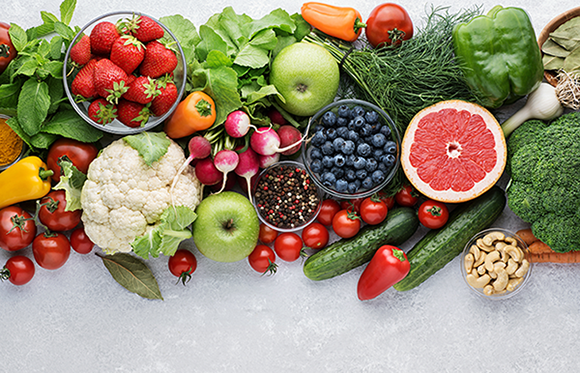
A simple way to get a variety of antioxidants is to eat a colourful diet. Fruit, berries and vegetables in different colours contain a wide range of vitamins and other protective compounds.
By filling your plate with colourful, nutritious foods, you'll naturally get a broader range of nutrients.
How to get enough vitamins and minerals
Eating a nutritious, varied diet is important for getting enough vitamins and minerals.
Try to build your meals around vegetables, fruit, wholegrains, pulses, lean protein sources, and dairy products or fortified plant-based alternatives.
- Eat a variety of colours. Choosing different types of vegetables, fruit and berries helps you get a wider range of vitamins, minerals and beneficial plant compounds.
- Choose wholegrains. Swap white bread, rice and pasta for wholegrain alternatives. These generally contain more fibre and several important vitamins and minerals. The fibre in wholegrains can also help you feel fuller for longer.
- Try to limit sweets, cakes and alcohol. These tend to provide relatively few nutrients compared with their calorie content. Having them less often can leave more room in your diet for nutritious foods.
More isn't always better
The risk of consuming too many vitamins or minerals through everyday food is very low.
However, supplements can sometimes lead to excessive intakes of individual vitamins and minerals, particularly if you take several different supplements at the same time.
High doses of certain vitamins, such as vitamins A and D, can be harmful. Too much of some minerals can also affect how your body absorbs other nutrients.
Supplements can be useful when needed, but they can't replace a varied diet.
Fruit, vegetables and other nutritious foods contain not only vitamins and minerals but also fibre and many other compounds that work together in the body.
Taking high doses of individual vitamins therefore doesn't automatically provide the same health benefits as eating fruit and vegetables.
If you're unsure whether you're getting the nutrients you need, or you're thinking about taking supplements, you can speak to your doctor or healthcare team.
At Yazen, you can get personalised dietary support from doctors, health coaches and dietitians, as well as help assessing whether you might need supplements.
Find out more about how Yazen can help you.
Summary
Vitamins and minerals are nutrients needed in small amounts, but they're essential for your body to function properly. They play important roles in your immune system, energy metabolism, muscles and bones.
Most people get enough vitamins and minerals from a varied diet. However, some groups, including older adults, people who rarely spend time in the sun and people with certain health conditions, including overweight and obesity, may sometimes need supplements alongside their usual diet.
Remember: more isn't always better. Supplements should only be used when needed, rather than just in case.
The best foundation for good health is still nutritious food, regular movement and enough time for rest and recovery.
