


Eating well for less as part of your weight loss journey
For many people, starting modern weight loss medications means a changed relationship with food. Smaller portions, fewer impulse purchases and reduced cravings for snacks, sweets, alcohol and takeaway meals means that many actually spend less on food. Yazen’s own research confirms this – when our eating habits change, it often leads to lower everyday costs.
At the same time, some people find that costs can increase when the focus shifts to healthier options such as protein-rich foods, fruit and vegetables. However, with a little planning, smart choices and some creativity in the kitchen, it is possible to cook meals that are good for both your body and your wallet.
Yazen dietitian, Elinor Medhammer, shares her top tips to eat well on a budget.
7 tips for eating healthily without overspending
1. Plan ahead
Planning your meals and writing shopping lists in advance can make a big difference to your food budget and support your weight journey. It reduces the risk of impulse purchases and buying more than you need. When you plan in a calm setting, it becomes easier to make thoughtful choices that benefit both your health and your finances.
Start by checking what you already have in your fridge, freezer and cupboards to see what needs to be used up. It’s also helpful to look ahead at weekly offers in your supermarket when planning. Try to do one main shop per week and reduce the need for spontaneous top-up purchases, which can easily increase your food costs.

2. Check the unit price
Promotions, red price tags and offers such as “3 for 2” can give the impression that you are saving money, but that is not always the case. Sometimes the unit price (price per kilo or litre) is still higher. Pay particular attention when items are sold individually despite varying in weight, such as fruit and vegetables sold per piece instead of by weight. Make it a habit to always check the unit price. It is usually shown in smaller text on the price label and makes it easier to see what is actually the best value.

3. Batch cook and prepare meals
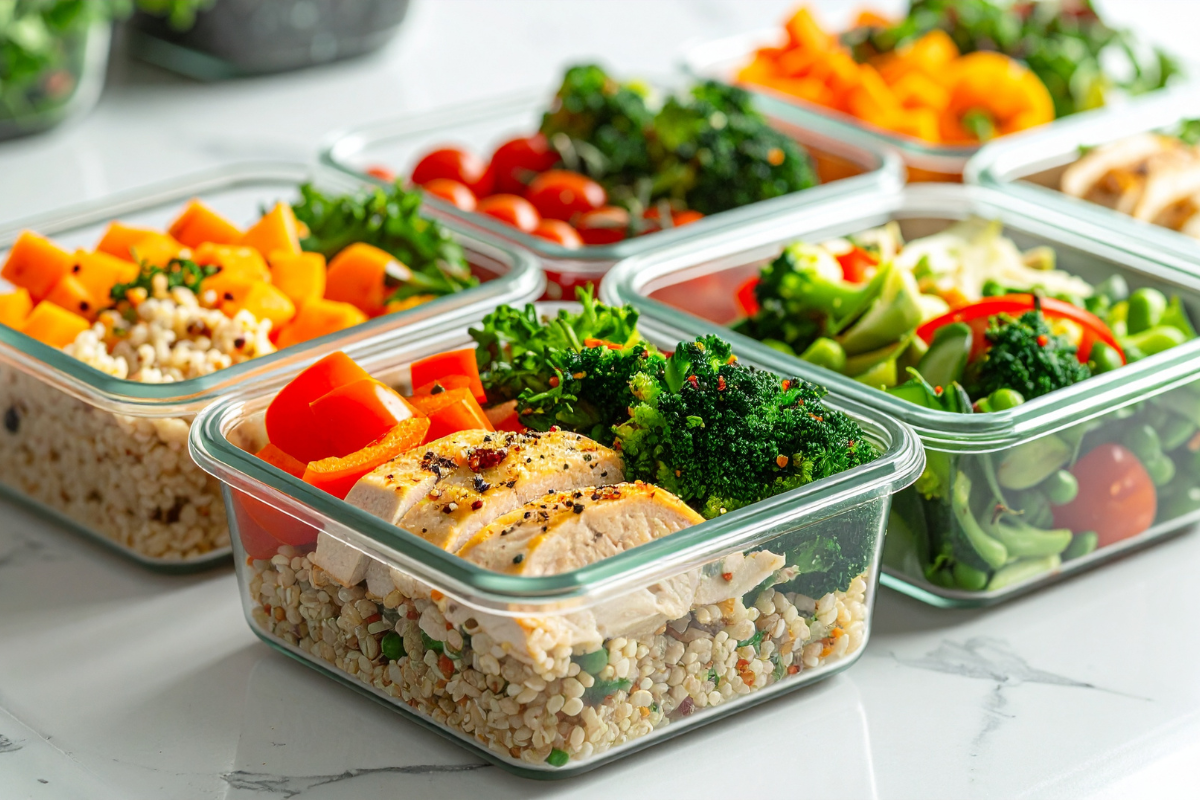
Cooking larger quantities at once is an easy way to save both time and money. It often doesn’t take much more effort to cook eight portions than four, but the benefits are greater. Choose dishes such as stews, hearty soups, lasagne, mince or lentil sauces that are suitable for batch cooking and can easily be frozen in portion-sized containers. This way, you always have nutritious meals ready when time or energy is limited, reducing the risk of expensive impulse purchases like takeaway food. Bringing a packed lunch to work is also one of the most effective ways to keep food costs down and can save you thousands each year.
4. Choose affordable staple foods
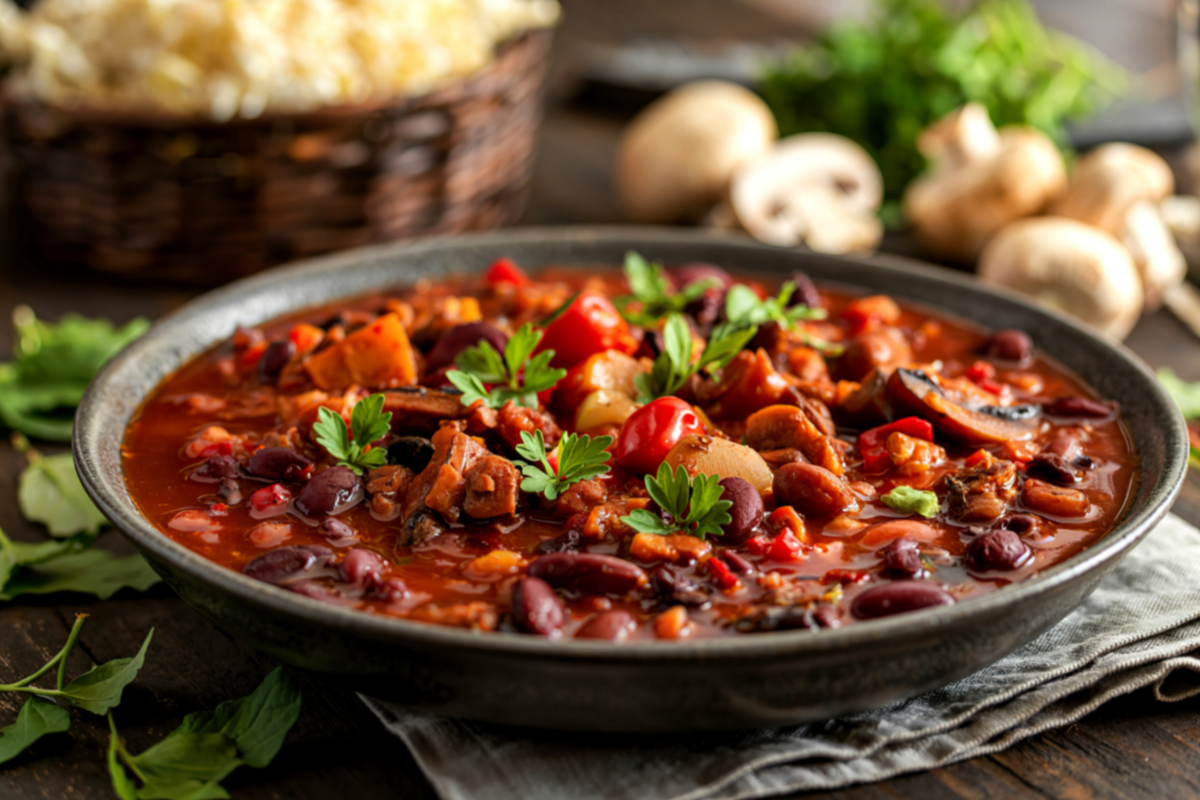
Beans and lentils, root vegetables, different types of cabbage, wholegrain products and frozen vegetables are all filling, nutritious and very affordable. They are also easy to vary. Legumes work well in hearty salads, soups, stews or as vegetarian patties. Cabbage can be used in stir-fries, shredded into salads or fried as a side dish. Root vegetables can be roasted in the oven, blended into soups or used in gratins. Grains and wholegrain products such as oats, wholegrain bulgur and barley are budget-friendly and work well as the base of many meals. Frozen vegetables are just as nutritious as fresh ones, often significantly cheaper, and they last longer and are always in season.
5. Choose affordable protein sources
During your weight journey, protein is especially important. It promotes satiety and, together with strength training, helps preserve muscle mass. Protein from fresh meat and fish can, however, quickly become expensive, but there are several budget-friendly alternatives.
Beans and lentils are classic low-cost options, but that doesn’t mean you have to eat fully vegetarian if you don’t want to. You can instead reduce the amount of meat and complement it with legumes in the same dish. Try adding beans to a chicken stew, and taco mince or lentils to a meat sauce. It can also be helpful to buy meat, chicken and fish when they are discounted and freeze them for later.
Low-fat dairy products such as Greek yoghurt (0%) and cottage cheese provide a lot of protein for the price and work well for breakfast, snacks or as a creamy base in cold sauces. Eggs are a versatile and affordable protein source that can be boiled, fried or used in an omelette. Other budget-friendly protein sources include tinned tuna and mackerel, which have a long shelf life and are easy to use when you need to prepare something quickly.
6. Eat seasonally
If you want to save money on fruit and vegetables, it can help to follow the seasons. When produce is in season, it is usually cheaper and tastes better. A useful tip is to look out for which fruits and vegetables are on special offer in the shop – these are often the ones currently in season.
7. Reduce food waste
A large proportion of food that is thrown away at home is still perfectly edible. Use your senses – look, smell and taste – before discarding food. Many products last longer than the best-before date suggests. It can also be worth looking out for items with a short best-before date in shops, as they are often sold at a lower price. Freeze food that is at risk of going off and make use of leftovers. For example, potatoes from yesterday’s dinner can become a Spanish-style omelette, leftover chicken can be used in a salad or as a wrap filling, and vegetables can be blended into soup or added to a stew.
Affordable food can also be healthy
Adapting to new eating habits does not have to put a strain on your food budget. On the contrary, studies show that many people actually reduce their food costs as appetite and cravings decrease thanks to medication. By combining the effects of the medication with a bit of planning and smart choices, such as choosing affordable ingredients, batch cooking and preparing meals, eating seasonally and making use of what you already have at home, you can eat nutritiously while keeping costs down.

.svg)