
Linda Cronberg
Linda Cronberg is a registered dietitian with a Bachelor’s degree in Sports Science and has over 25 years of experience in healthcare and social care, 15 of which have been focused on lifestyle and behavioural change in relation to overweight and obesity. At Yazen, Linda works as a Medical Copywriter and Content Developer, and is also involved in the development of the company’s own nutritional supplements.


Why am I not losing weight? Common causes and what you can do about them
Many people find it difficult to lose weight, even when eating healthily and exercising regularly. You might recognise the feeling: you plan your meals, move more, and try to keep a steady routine — yet the number on the scales doesn’t budge. Sometimes, it even goes up instead.

Building muscle and burning fat – how it all fits together
Many people who want to lose weight and build muscle focus mainly on the number on the scales. However, losing weight does not always mean losing fat. The body is made up of muscle, fat, water, and bone, so changes in weight can be caused by several different factors. To understand how you can build muscle and burn fat, you need to know how your body uses energy and what influences your calorie expenditure over time.

The Paleo diet – eat like in the Stone Age
What is Paleo?
The Paleolithic diet, often referred to as Paleo, is based on the foods humans ate during the Stone Age before agriculture was introduced. The diet focuses on natural and unprocessed foods, while minimising the intake of processed products, added sugar and salt.
Paleo is often promoted as a pathway to a healthy lifestyle by emphasising natural ingredients and avoiding processed foods. However, the Paleo diet is controversial, as it has sometimes been credited with exaggerated health benefits and there is disagreement regarding the explanatory model behind the diet.
Many people have heard of the Paleo diet – also known as the Stone Age diet – but what does Paleo actually involve? What are the advantages and disadvantages of this approach, and what does the research say? The dietitians at Yazen clarify the facts.

Diets for weight loss – which ones work best and offer sustainable results?
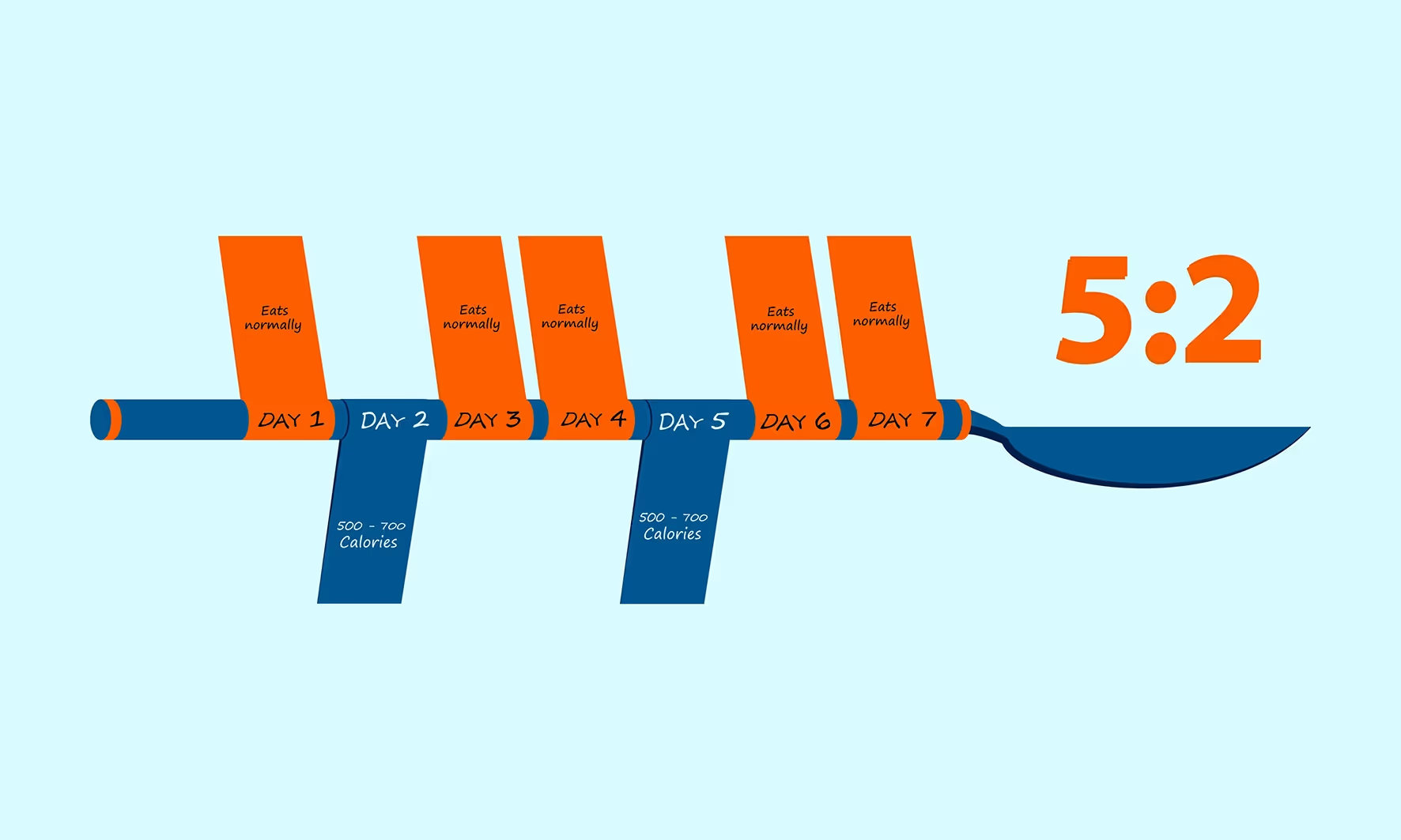
The keto diet, the 5:2 method, Paleo, LCHF and intermittent fasting – these are just a few examples of popular diets that often promise solutions to your health problems and claim to be the optimal path to rapid weight loss. But how well do they actually work – and, more importantly, how sustainable are they in the long term?
In this article, we at Yazen explore how different diets work, why many people find that they’re difficult to maintain over time, and what might be a more sustainable approach to achieving your goals.


Low-carb (LCHF): guide, risks and benefits
Low-carb eating (LCHF) reduces carbohydrates and replaces them with more fat and protein. For some people, this can lead to a lower energy intake, weight loss and, in some cases, improved health. In type 2 diabetes, a low-carbohydrate diet may help with blood glucose control. In this guide, you’ll learn what LCHF is, what to eat, and which risks you should be aware of before you start.

.avif)
