
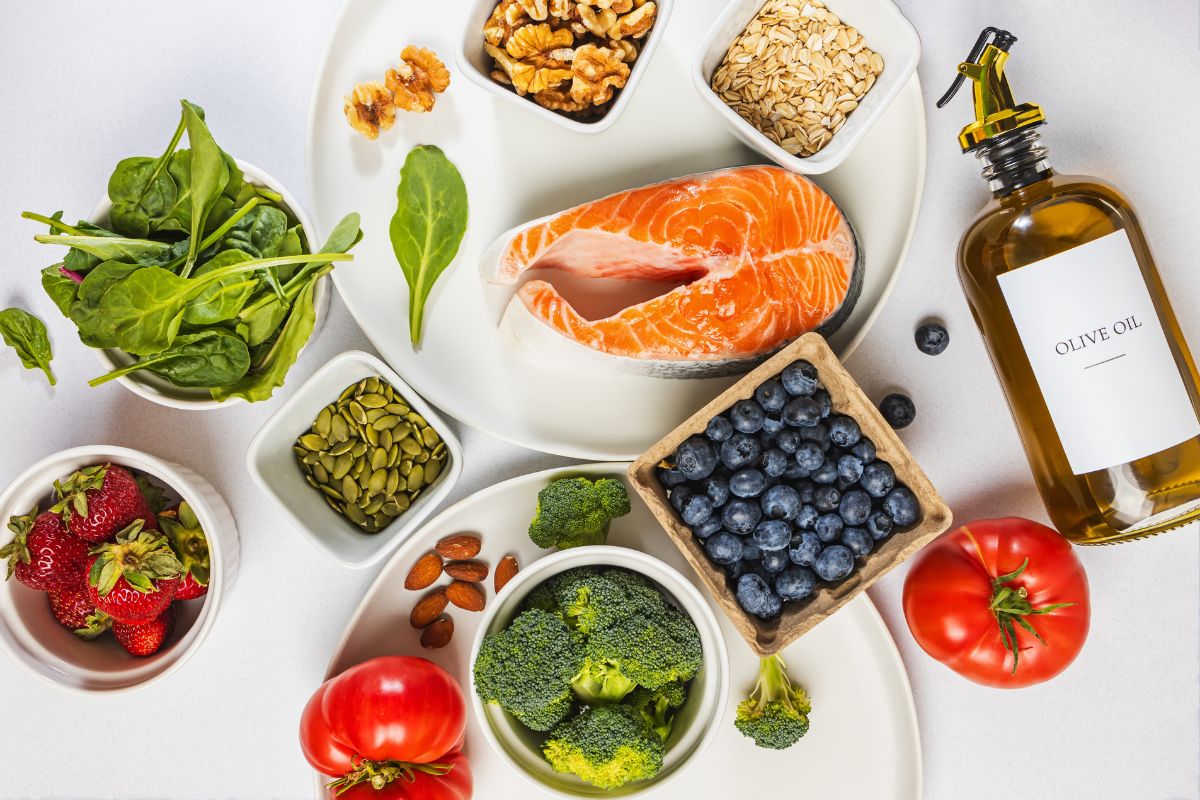

What is anti-inflammatory eating?
There’s no single, standardised “anti-inflammatory diet” that all studies are based on. The term is usually used quite loosely and can refer to a few different things:
- food that may affect inflammation markers in the body
- food that improves risk factors like blood pressure, LDL cholesterol and insulin resistance
- the effects of weight loss, which on its own can often reduce inflammation
Even though anti-inflammatory eating is often presented on social media and in marketing as a strict “diet” with clear rules, that can be misleading. There isn’t one fixed model, and any effects depend on several different factors. It’s more accurate to think of it as a way of eating, rather than a specific diet.
What is inflammation?
Inflammation is the body’s natural defence and an important part of the immune system. It helps the body heal from infections and injuries. When the immune system works as it should, it reacts quickly, deals with the threat, and then calms down again.
Sometimes, though, inflammation can become too strong or last too long and start to damage the body’s own tissues. This can be seen, for example, in people with severe illness. So the goal isn’t to get rid of inflammation completely, but to avoid long-lasting, harmful inflammation.
How are chronic inflammation, weight, and long-term conditions connected?
Many people today have slightly raised levels of different inflammation markers, which is often linked to a higher risk of several long-term conditions. This is known as low-grade, systemic inflammation – meaning inflammation that affects the body more generally, rather than being limited to one specific area.
This type of inflammation often doesn’t cause obvious symptoms in everyday life. It can quietly “tick over” for a long time and affect important processes in the body.
Inflammatory substances like cytokines can reduce insulin sensitivity, making insulin less effective and making it harder for cells to take up sugar from the blood. This can contribute to raised blood sugar levels and, over time, increase the risk of type 2 diabetes. Inflammation also plays a key role in atherosclerosis, where fat gradually builds up in the blood vessels and increases the risk of blood clots, heart attack and stroke.
Living with overweight or obesity is often linked to low-grade inflammation. When this inflammation doesn’t settle but continues over time, it can develop into chronic inflammation, further increasing the risk of conditions like type 2 diabetes and cardiovascular disease. The biggest modifiable factors linked to higher inflammation levels are usually excess body fat, smoking, low levels of physical activity, long-term stress and poor sleep.
What anti-inflammatory eating often looks like in practice
In practice, this way of eating usually means choosing more fibre-rich and nutrient-dense foods, such as vegetables, pulses, wholegrains, berries, nuts and oily fish that contains omega-3 fats. These foods also provide important vitamins and minerals.
At the same time, it often means cutting back on ultra-processed foods, sugar and refined carbohydrates. In other words, swapping fast food, snacks, fizzy drinks and ready meals for more nourishing, balanced meals. It’s not surprising that many people lose weight and feel better when they make these changes.
For some, this can also lead to steadier energy levels and better fullness after meals. Carbohydrate choices matter too. Foods with a lower glycaemic index (GI) can help keep blood sugar levels more stable and support better satiety. This can make it easier to maintain a balanced energy intake and, in some cases, support weight loss, which over time may help reduce low-grade inflammation.
Foods that are often limited – sometimes called “inflammatory” foods
With anti-inflammatory eating, people often try to reduce foods that provide a lot of energy but little nutrition. This includes sugary foods, white flour products and processed foods, as well as saturated and trans fats.
Foods that, when eaten in large amounts, have been linked to inflammation are also commonly reduced. This includes processed meats and large amounts of red meat. Fast-digesting carbohydrates are sometimes mentioned too, as they can cause quicker rises in blood sugar and make the diet lower in fibre overall.
Are there benefits to eating this way?
Research suggests that anti-inflammatory eating can have benefits, but these effects usually come from improving overall diet quality. That might mean more fibre, vitamins, minerals and unsaturated fats, and less ultra-processed food and sugar.
These changes can support metabolic health, including blood sugar regulation and insulin sensitivity, and over time may help lower levels of low-grade inflammation.
A lot of what’s described as “anti-inflammatory” is really about eating better in general and, in some cases, losing weight. It’s rarely about single “superfoods” or one specific diet having a dramatic effect. Long-term, balanced and nutrient-rich eating patterns matter much more.
What do we actually mean by a healthy, nutritious way of eating?
In research, a healthy and nutritious diet is rarely about individual foods or “miracle ingredients”. It’s about the overall pattern of what you eat over time.
One of the most well-studied examples is the Mediterranean-style way of eating, which has been linked in many studies to better health and a lower risk of certain long-term conditions. It’s based on plenty of fruit and vegetables, pulses like beans and lentils, wholegrains, nuts and olive oil. This provides lots of fibre and unsaturated fats.
What makes this way of eating interesting is the combination of nutritious foods as a whole, not the presence of any single “superfood”.
Summary
Anti-inflammatory eating is a broad term and rarely refers to a strict diet. It’s better understood as a way of eating that focuses on more nutrient-dense foods and fewer ultra-processed products. Inflammation is an important part of the immune system, but when low-grade inflammation becomes long-lasting, it can develop into chronic inflammation and be linked to a higher risk of long-term conditions.
In practice, this way of eating often means more vegetables, pulses, wholegrains, berries, nuts and oily fish, and less sugar, fast-digesting carbohydrates and energy-dense foods with little nutritional value. The benefits seen in studies are mostly linked to better overall diet quality over time and, in many cases, weight loss. It’s rarely about single “superfoods” or one specific diet making a dramatic difference to health.
.svg)