Anna Sommerfeld
Anna Sommerfeld is a molecular biologist by training and has more than 25 years of experience in the pharmaceutical industry, including roles at AstraZeneca, Roche and Gilead Sciences. As the founder of Mealsizer®, she has spent the past 15 years working closely with both obesity and eating disorder care, translating research into practical solutions for better health.




The Obesity Care Gap in Spain: Stigma, Delays and the Potential of Digital Care
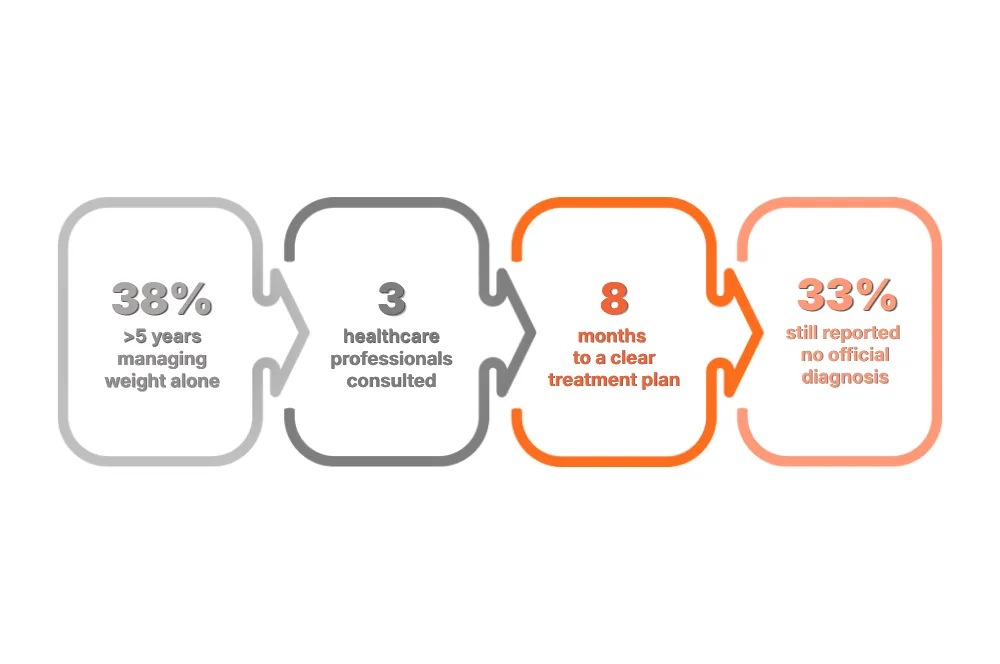
A SEEDO-endorsed survey of 1,005 adults in Spain shows that obesity is still seen as a personal choice, and most people with obesity feel it is not sufficiently recognised as a disease. Many manage their weight alone for years before getting help, and the path to a clear treatment plan is slow and fragmented. Patients want multidisciplinary care alongside medication, and those who used telemedicine for obesity reported positive experiences.
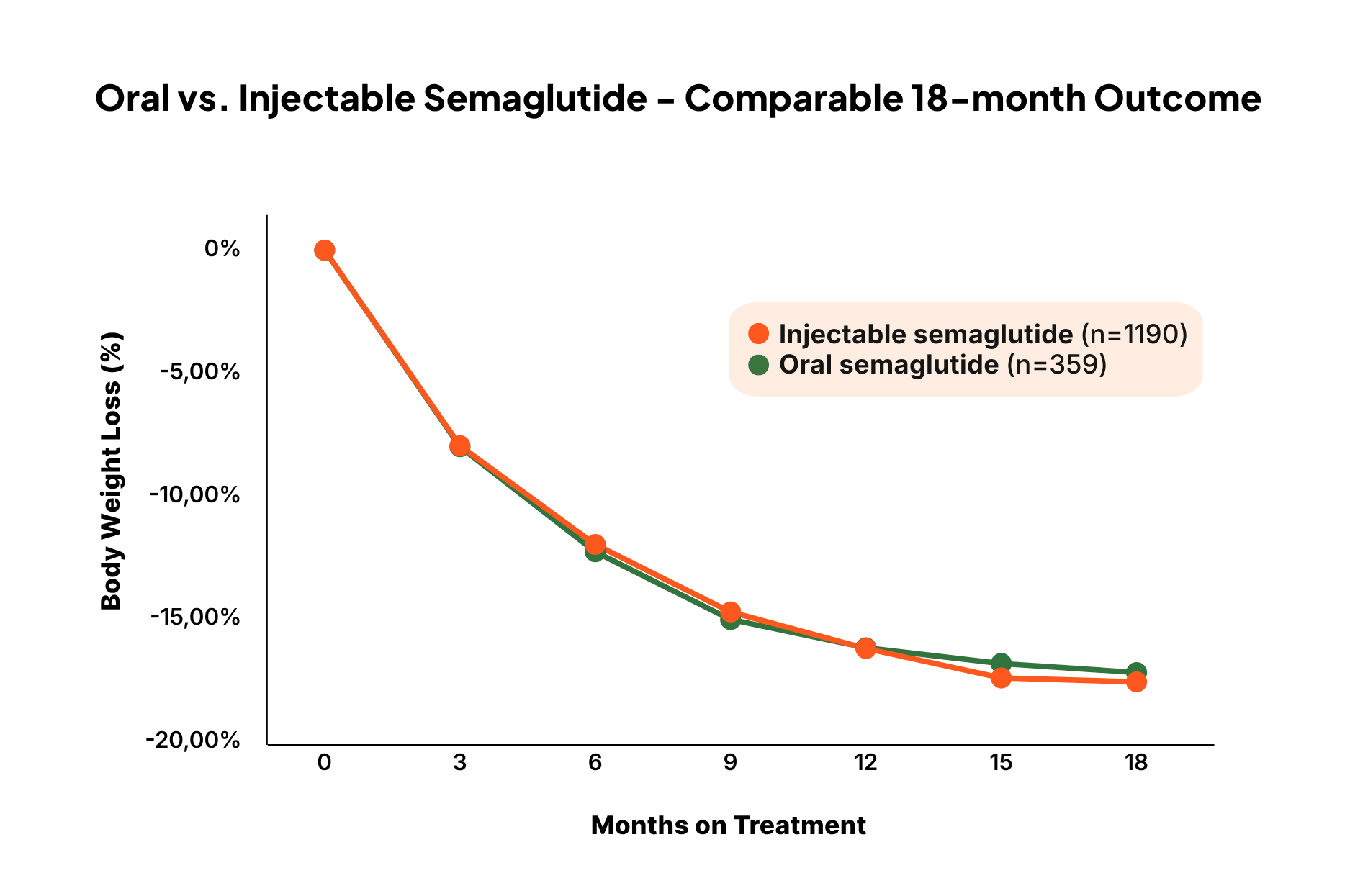
Oral and Injectable Semaglutide Show Comparable Effectiveness at 18 Months
In a real-world European cohort of 16,940 adults receiving semaglutide alongside comprehensive digital obesity care, oral and injectable treatment produced comparable 18-month outcomes. Mean body weight loss reached 18.0% with oral semaglutide and 18.5% with injectable semaglutide, with similar improvements in central adiposity and metabolic markers.
Digital Obesity Care Reaches Socioeconomically Diverse Patients
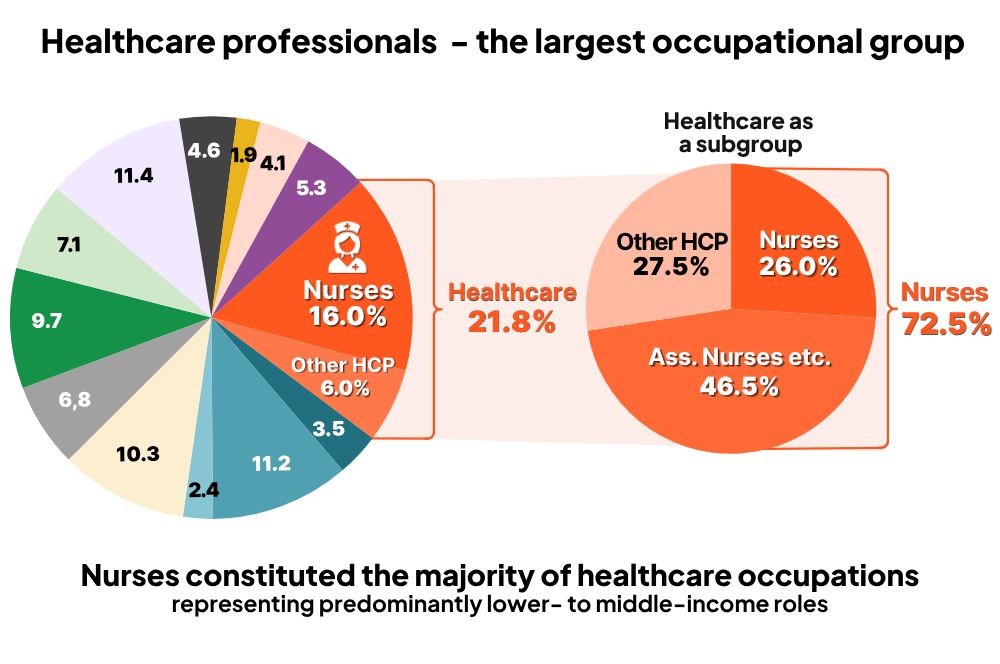
In a real-world cohort of over 40,000 people living with obesity, digital care engaged patients across all socioeconomic groups, including low- and middle-income populations. However, affordability emerged as the primary driver of treatment discontinuation, with economic barriers disproportionately limiting long-term access and continuity of care.
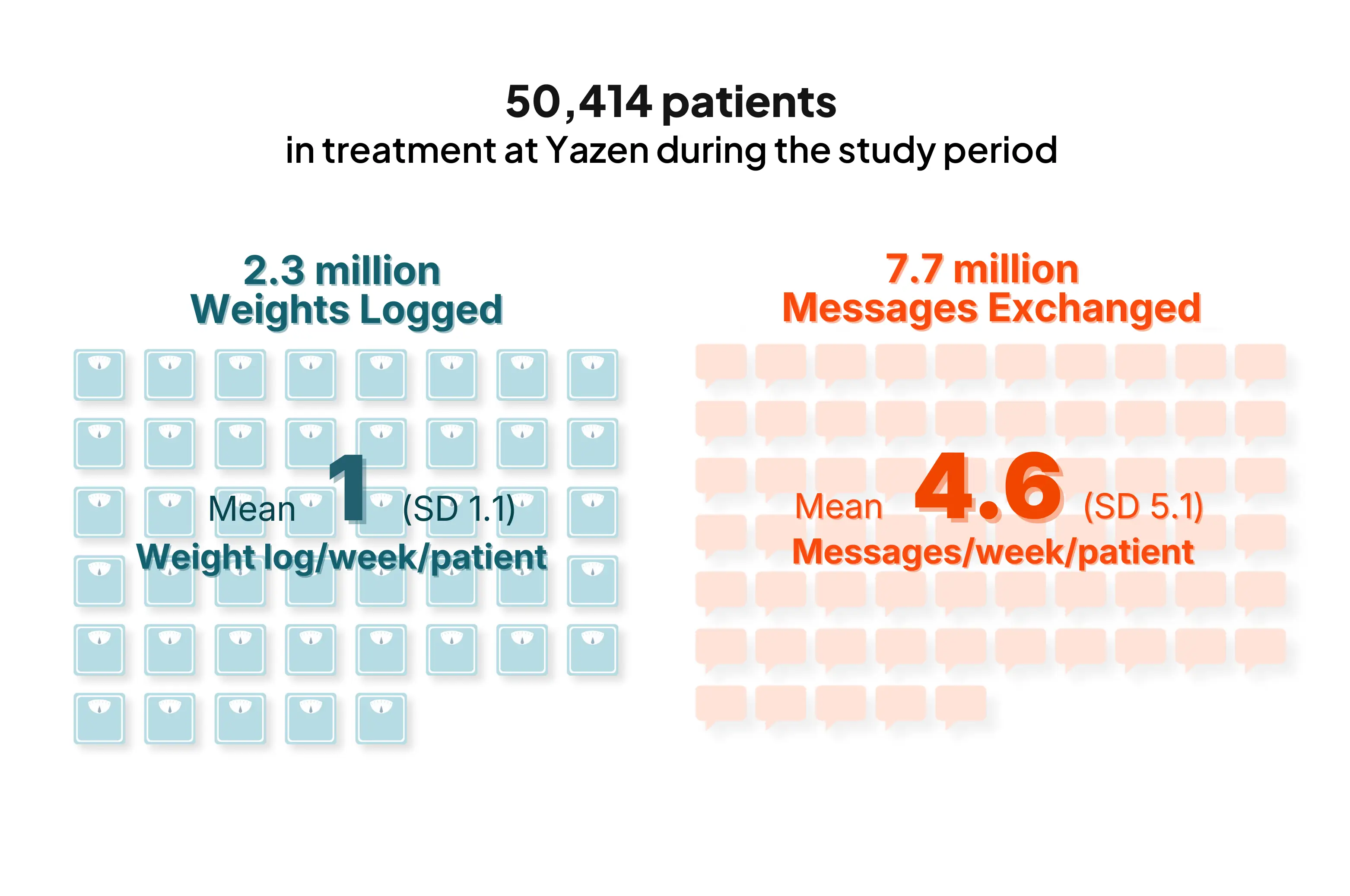
High-Volume Patient–Caregiver Interactions in a Fully Digital Obesity Care Model
Digital obesity care enables high levels of patient–caregiver interaction and sustained engagement in treatment, with higher retention than in other settings, potentially supporting longterm outcomes.
Across three years, messages exchanged, weight entries logged and retention in treatment was quantified for more than 50,000 patients.

Real-World Outcomes of Tirzepatide and Semaglutide in 40,000+ Patients
Sustained Real-World Weight Loss in 40,000+ Patients
Substantial weight loss was achieved with GLP-1–based pharmacotherapy within a comprehensive digital obesity care model. Outcomes were maintained up to 24 months, with 57% of patients still in treatment, demonstrating strong long-term effectiveness in real-world care.


Testosterone, Obesity and Men's Health: Role, Health Impact, and Treatment Options
Obesity significantly impacts men’s hormonal health — particularly testosterone — increasing risks of fatigue, weight gain, and chronic disease; understanding this connection is key to effective treatment and long-term wellbeing.