
What to eat to lose weight
You should eat a nutrient-dense diet that consistently creates an energy deficit over time, allowing the body to use its own fat stores for fuel.
This is the fundamental physiological principle behind all weight loss. Your body's total energy expenditure consists of your basal metabolic rate (BMR), the thermic effect of food and your physical activity. When you eat fewer calories than this total, you lose weight. However, excessively large calorie deficits should be avoided, as an energy intake that is too low can increase the risk of nutritional deficiencies and unwanted loss of muscle mass. A medically recommended guideline for steady weight loss is a deficit of around 300 to 500 kilocalories per day.
Good foods if you want to lose weight
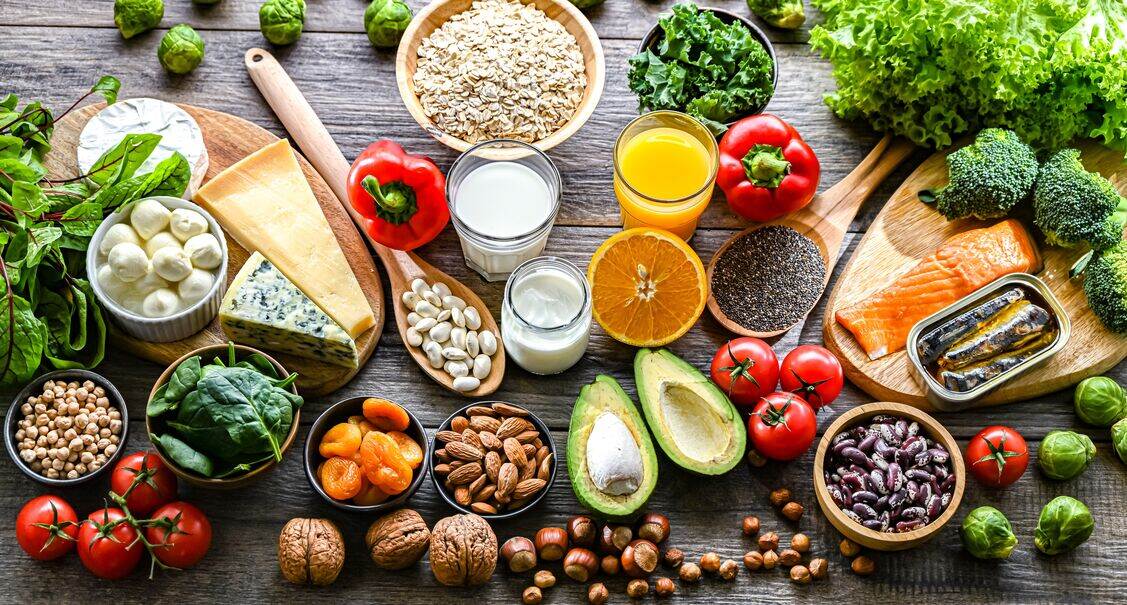
If you want to lose weight, good foods are nutrient-rich foods with low energy density and high volume, such as fibre-rich vegetables, root vegetables, pulses, fruit and berries. These fill the stomach and signal fullness for fewer calories.
The body's satiety signals are triggered partly by the physical expansion of the stomach. If you eat calorie-dense and highly rewarding foods, such as pizza, pastries or crisps, they take up very little space in the stomach relative to the number of calories they contain. This means you can consume a large number of calories long before the receptors have time to send a signal to the brain that you are full.
If you choose high-volume foods instead, you will feel full more quickly. Sources of carbohydrates such as oats, quinoa, sweet potatoes and wholemeal bread provide lasting energy and reduce the risk of becoming hungry again shortly after a meal. Healthy fats, such as monounsaturated and polyunsaturated fats found in avocados, nuts and olive oil, are filling and important for the body's functions. It is sensible to limit your intake of saturated fat, found in foods including butter, cream and red meat, to reduce the risk of cardiovascular disease.
How to eat to lose weight and maintain muscle
To reduce your fat mass, you should base each meal around high-quality protein, which reduces the risk of losing as much muscle mass while you are in a calorie deficit. Good sources of protein include chicken, fish, eggs, quark and tofu. Many people choose to combine different protein sources to get all the necessary amino acids.
When you lose fat mass, you will inevitably also lose some muscle mass. Because muscle mass increases your metabolism, losing muscle tissue lowers your basal energy requirements, which increases the risk of weight gain.
How to maintain your results in the long term
To maintain your new weight in the long term, it can be helpful to build flexible eating habits based on the so-called 80/20 rule, where 80 per cent of what you eat consists of nutritious staple foods and 20 per cent leaves room for mindful enjoyment without guilt.
Strict restrictions and temporary diets often lead to an "all or nothing" approach that is very difficult for most people to maintain over time. People who successfully maintain their weight over time are those who have found a balance that works for them. Research clearly shows that it is your average intake that matters, not occasional deviations on a Saturday. Eating regularly, with breakfast, lunch and dinner as well as snacks, can make it easier to maintain your weight and prevent intense hunger and cravings. Eating smaller portions more frequently, around 5 to 6 times a day, can also help keep blood sugar stable and reduce snacking.
It is important to limit your intake of empty calories from sugar, fizzy drinks, fast food and snacks, as these are not filling and can make it more difficult to eat less and lose weight. Drinking water as your main drink is the best choice for feeling well and reducing calorie intake.
Why people lose weight with medical support
Calorie restriction combined with GLP-1 medicines increases wellbeing for some people during weight loss, as the medicine corrects the body's hormonal imbalance and reduces the extreme hunger that can otherwise occur when dieting.
Weight loss that relies solely on willpower to maintain a calorie deficit can be difficult to sustain because the body responds to weight loss with biological adaptations that can, among other things, increase hunger and reduce energy expenditure. The brain responds by releasing large amounts of the hunger hormone ghrelin, while cravings for sweet and fatty foods intensify. Medical treatment reduces this "food noise", giving you the mental space to establish the eating habits required. Eating more healthy foods such as lean sources of protein, vegetables, fruit and berries can also make it easier to stick to the plan.
Frequently asked questions about diet for weight loss
Is it dangerous to lose weight quickly?
During weight loss, both fat mass and a certain amount of muscle mass are usually lost. An excessively large calorie deficit can increase the risk of greater muscle loss and make it more difficult to get enough nutrients. Gradual weight loss of around 0.5 to 1 kilogram per week is therefore commonly used as a general guideline.
Do you have to cut out carbohydrates to lose weight?
No, carbohydrates themselves do not cause overweight. Weight gain can occur when energy intake over time is greater than the body's energy expenditure, regardless of whether that energy comes from carbohydrates, fat or protein. Fibre-rich carbohydrate sources such as oats, root vegetables and wholegrains provide important nutrients and fibre, and a high intake of wholegrains is associated with a reduced risk of several chronic diseases.
How can I put my meals together?
By using a modified plate model where half the plate is filled with fibre-rich vegetables, a quarter with lean protein and the rest with slow-release carbohydrates, you can make it easier to maintain a calorie deficit.
How does stress affect my ability to stick to a diet?
When you do not get enough recovery and experience high levels of stress, cortisol levels in the body rise, making your brain more likely to seek quick sources of energy. This can appear as cravings for calorie-dense, sweet and fatty foods that can be very difficult to resist. Managing stress should therefore be an important strategy for supporting your weight loss.
Do I have to count calories every day?
Counting calories is not a requirement, but it can be an effective educational tool for a period of time to identify sources of calories and learn how to create nutritionally balanced meals. Drinking water instead of calorie-rich alternatives is also a simple way to reduce calorie intake and feel better.

