Diet and weight loss: how food affects your weight
Diet plays an important role in weight loss, but it is not just about eating less. What and how much we eat can affect our energy intake, how full we feel and our ability to build habits that work over time. With the right knowledge, it becomes easier to make choices that support a weight loss that is healthy and sustainable.

Nutrition


Blood sugar and hunger: How your body controls your appetite
Blood sugar and hunger are linked. When you eat food that quickly raises your blood sugar, this is often followed by a rapid drop in blood sugar, which can trigger strong hunger signals even though the body has recently consumed calories. By choosing foods that provide more stable blood sugar levels, and understanding how insulin and satiety hormones work, you can increase satiety and make weight loss easier to maintain over time.

Ultra-processed food: How it affects your health and your weight
Ultra-processed food is designed to maximise stimulation of the brain's reward system through a perfect combination of fat, sugar and salt, which is one of the main reasons why it is so difficult to stop eating. In today's society, these industrially produced foods make up an increasingly large proportion of our daily calorie intake. This has contributed to an environment where energy-dense and easily accessible food can make it easier to consume more energy than the body needs. Constantly craving this type of food is not due to a lack of character, but is influenced by several factors, including the food's palatability, energy density, availability and how filling it is.

Fibre and satiety: Carbohydrates that can help with appetite control
Fibre acts as a physiological brake in the digestive system that effectively prolongs satiety and reduces the body's hunger signals, making it one of your most important tools during weight loss. Constantly feeling hungry is one of the most common reasons why attempts to lose weight are abandoned.
Fibre, which is a type of carbohydrate from plants, is not broken down like ordinary food but travels relatively intact through the digestive system. This creates volume in the stomach, balances blood sugar and feeds the beneficial bacteria in your gut, which is important for a well-functioning stomach and bowel.

Portion sizes: How to think about them for sustainable weight loss
Adjusting portion sizes is a fundamental strategy for weight loss. We tend to eat more when we are served larger portions, and portion sizes have increased in many places over recent decades, contributing to a higher calorie intake and making it more difficult to maintain weight. Success is not about weighing your food or leaving the table hungry, but about understanding food volume, your body's satiety signals and choosing the right amount of food for you.

Sugar addiction: The medical truth about your sugar cravings
Feeling a strong craving for sweets is common and can be influenced by the brain's reward system, not just willpower. Sugar itself is rarely the cause, but rather energy-dense foods containing sugar and fat. By understanding the body's appetite regulation, you can reduce feelings of guilt and find sustainable ways to manage cravings.

Filling foods: A diet that helps with lasting appetite control
Constant hunger is one of the most common reasons why weight loss fails. During a calorie deficit, the secretion of hunger hormones increases to defend body weight. Successful eating is not about eating as little as possible, but about choosing foods that keep you full. The volume, texture and nutritional content of food help create lasting satiety and reduce hunger.

Healthy diet: How to build sustainable eating habits
A healthy diet provides the body with energy and nutrients for normal function and a well-functioning immune system. Rather than strict restrictions, it is about maintaining a sustainable balance over time. Modern science shows that your overall eating habits have the greatest impact on health, rather than individual meals. Eating healthily means enjoying food while making sustainable choices for the long term.

Evening cravings: The medical explanation for evening eating
Constantly experiencing an irresistible craving for sugar and fatty foods in the evening is rarely due solely to a lack of discipline, but can be influenced by stress, lack of sleep, habits and an excessively restrictive calorie intake during the day. Many people feel that they have full control over their eating habits from morning until afternoon, but when evening comes, a strong impulse takes over. This is often called "food noise". To break the vicious cycle of evening eating, it can be helpful not to view it as a moral failure, but instead to understand the brain's reward system, as well as the biological, psychological and habitual factors that may lie behind it.

Snacks for weight loss: Small meals that provide the right energy
Including healthy snacks in your daily routine can be a crucial and simple strategic tool for regulating your hunger and preventing uncontrolled snacking and overeating, especially when you are craving snacks. Historically, many diets have created a fear of eating between meals, but within evidence-based obesity care, we see snacks as an opportunity to top up on important nutrients and keep blood sugar stable throughout the day. It is not about constantly snacking, but about making conscious choices that support your calorie deficit.

Best breakfast for weight loss: Nutritious meals in the morning
The best breakfast for weight loss is based on a stable balance of high-quality protein, filling fibre and a low proportion of fast-release carbohydrates, which can contribute to good satiety and a more stable blood sugar response after meals and throughout the day. A good breakfast routine is not about restrictions, but about giving the body the right biological conditions from the morning onwards. By making conscious choices, you can reduce the risk of uncontrolled snacking and create a good foundation for the day's eating habits and energy intake.

Protein-rich foods: The foundation of satiety and preserving muscle mass
Protein-rich food is essential for the body's building and repair processes and for preserving muscle mass during weight loss. Protein regulates appetite and contributes to metabolism. For the best effect, you should spread your intake throughout the day. Around 18 to 25 g per meal is a good guideline. Animal proteins are complete, but plant-based proteins can be combined to achieve the same effect. Yazen helps you with an adapted amount of protein and exercise for sustainable weight loss.

Calorie deficit and weight loss: How the body's energy balance works
To lose weight, a calorie deficit is required, which means that the body uses more calories than you consume through food and drink. To meet the remaining energy needs, the body then uses stored energy, including from the body's fat stores. At the same time, the body often tries to counteract weight loss through increased hunger and a lower metabolic rate. By understanding how diet, hormones, metabolism and physical activity interact, it becomes easier to create sustainable habits and reach your goals in the long term.

How many calories should you eat? What you need to lose weight
How many calories your body needs depends entirely on your body weight, age, genetics, amount of muscle mass and daily level of physical activity. Calorie balance is the fundamental principle of all weight management. To maintain your weight, you need to consume exactly the amount of calories your body uses, and to lose weight, a calorie deficit is required. Society has long simplified this into the advice to "just eat less", which overlooks the strong biological and hormonal defence mechanisms that are activated in the body when calorie intake decreases.

Protein and weight loss: The importance of satiety and preserving muscle
A sufficiently high protein intake is fundamental for healthy and lasting weight loss, as it regulates your satiety and protects your muscle mass when the body is in a calorie deficit. In modern obesity care, it is well documented that weight loss is not just about eating less, but about giving the body the right building blocks to lose weight in a healthy way.
When you reduce your total energy intake, the body's built-in defence mechanisms are activated. Hunger increases and your calorie expenditure may decrease. By strategically using protein-rich foods, you can prevent and reduce the occurrence of these biological reactions. Getting enough protein over time is therefore crucial for maintaining both satiety and muscle mass during your weight journey.
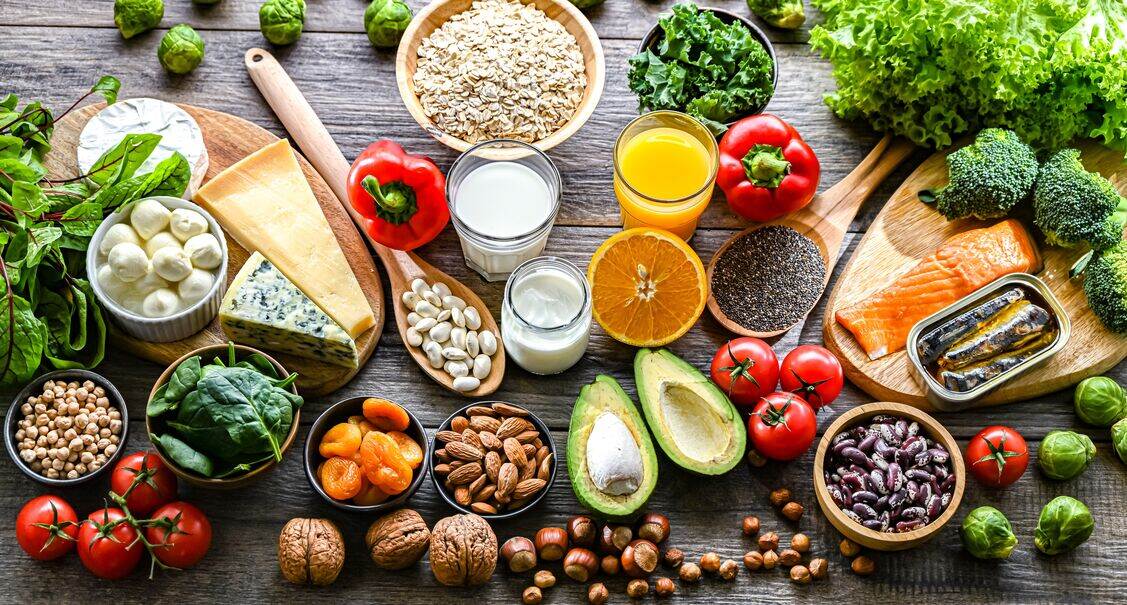
Diet for weight loss: How to eat to lose weight
A balanced and nutritious diet that creates a calorie deficit is the single most important factor for achieving healthy weight loss, but for the results to remain sustainable, a deeper understanding of how the body's biology responds to a lower energy intake is also needed. Historically, advice for addressing overweight has often focused on strict restrictions and temporary diets, which medical science today considers an ineffective strategy that leads to yo-yo dieting.
Obesity and overweight are governed by a complex interaction between genetics, hormones and an environment where calorie-dense but nutrient-poor food is always available. To succeed with weight loss in this environment, you need to focus on foods that maximise satiety, protect your muscle mass and meet your nutritional needs, including foods that provide all the necessary nutrients, vitamins and minerals.

Hunger signals: How the body's biology controls your appetite
Hunger signals are part of the body's natural system for regulating energy intake and body weight. Appetite and fullness are influenced by an interaction between hormones, the brain and other biological processes that help the body balance its energy needs over time.During weight loss, hunger signals can often become stronger, which can make it more difficult to maintain new eating habits and a lower weight. By understanding how appetite regulation works and how factors such as diet, sleep, physical activity and stress affect hunger, it can become easier to create sustainable lifestyle habits. In some cases, medication can also be a complement to support weight regulation.

Meet our patients




“ I just can't believe now, looking back, that I tried so many times and now I'm here. I reached my goal with the support of Yazen… it's just been an incredible journey."
Gemma Collins: "I’ve lost 22 kilos and kept it off with Yazen - it feels so good!”
"Nothing can stop me now!"