
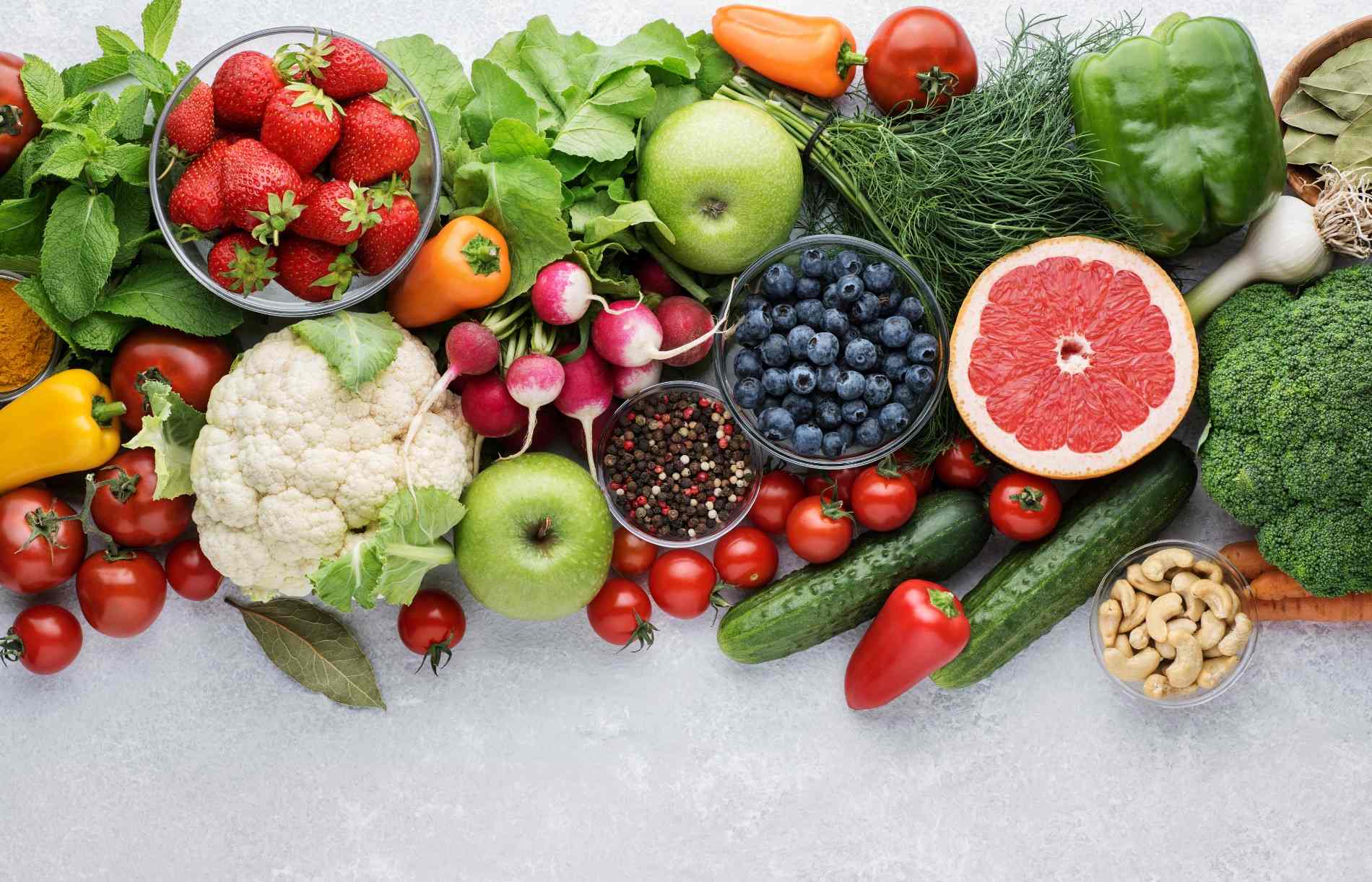
Do you have to eat snacks to lose weight?
Scientifically speaking, your metabolism is not affected by how many times a day you eat. Instead, weight loss is fundamentally influenced by your total calorie intake over time. This applies whether you prefer to eat three larger meals or several smaller portions.
It is a widespread misconception that eating more frequent but smaller meals "keeps your metabolism going". If you prefer to eat three larger meals a day, this works just as well as eating six smaller ones. Energy balance over time is central to changes in weight. A snack can therefore be helpful if it helps you maintain good energy levels throughout the day and prevents you from becoming extremely hungry before your next main meal. Skipping snacks can make hunger stronger and make it more difficult to make considered choices later, which can make your weight-loss journey more difficult.
What makes a good snack during weight loss?
A good snack during weight loss is rich in protein, contains fibre and provides a large volume of food in relation to a low number of calories. It is also important that it is easy to prepare and can be taken to work or when you are on the go.
By choosing foods with a low energy density, you can get a larger volume of food for relatively little energy, which can contribute to satiety. Fibre from vegetables or fruit, such as bananas or avocados, can contribute to satiety and a slower rise in blood sugar after a meal. At the same time, an adequate protein intake is essential for preserving your muscle mass when you are in a calorie deficit. Protein increases satiety more than carbohydrates and fat, which helps you feel full for longer and reduces the risk of craving unnecessary snacks. Protein also requires more energy to break down, which helps increase your calorie expenditure.
5 quick and healthy everyday snacks
The most effective snacks are based on low-fat dairy products, eggs or pulses, which increase satiety without requiring complicated preparation. These snacks are also readily available and can be adapted to your preferences and needs.
- Low-fat quark (0% fat): Serve with fresh or frozen berries for extra fibre and a little sweetness. You can also add a glass of milk for extra protein and calcium.
- Boiled egg: A complete protein source that is easy to take with you and provides long-lasting satiety as a snack.
- Cottage cheese with apple: Provides a good balance of protein and fibre-rich carbohydrates. You can also add a little cinnamon for extra flavour.
- Edamame beans: An excellent plant-based option rich in both protein and fibre that helps you feel full for longer.
- Wholegrain crispbread: With sliced egg or lean ham as a topping. Ideally, choose wholegrain products for better satiety and nutritional content.
Avoid energy-dense options such as nuts in excessively large quantities. Although nuts contain healthy fats, the calories quickly add up if portion sizes are not limited. A small glass of yoghurt can also be a good and light snack when you feel like having something to eat.
How do weight-loss medicines affect your need for snacks each day?
During medical treatment for obesity with GLP-1 analogues, appetite can decrease significantly, making it particularly important to get enough nutrients and protein to protect the body and prevent nutritional deficiencies. It is important to choose snacks that are rich in protein, fibre and vitamins so that the body gets the support it needs.
When you are treated with modern weight-loss medicines, you often feel full quickly and portion sizes at breakfast, lunch and dinner become smaller. A planned snack can then be an excellent way to get the protein, vitamins and minerals that the body needs to function normally and maintain good nutritional status. It is about eating smarter, not just less. It can therefore be difficult to eat large portions, but with the right snacks you can still get everything you need each day.
Frequently asked questions about snacks
Can I eat fruit as a snack when I want to lose weight?
Yes, whole fruit is an excellent snack that contains few calories but plenty of water, vitamins and filling fibre. However, you should avoid drinking fruit juice, as juice contains significantly less fibre than whole fruit and generally provides less satiety.
Does missing a snack ruin my metabolism?
No, skipping a snack does not lower your basal metabolic rate. Fasting for shorter periods does not negatively affect your body's basal metabolism.
Are protein bars a good snack during weight loss?
A protein bar can be a convenient option when you are on the go, provided that you carefully read the ingredients list. Many commercial bars contain large amounts of added sugar and calories, which can quickly make them comparable to ordinary sweets.
What should I eat if I get hungry in the evening?
Choose a protein-rich and easily digestible option, such as a small bowl of plain quark or cottage cheese, which can provide good satiety and a good protein intake. If you are hungry in the evening, it may be wise to choose a filling option rather than very sweet and energy-dense snacks.
How many calories should a snack contain?
A guideline for snacks during active weight loss can be to aim for between 100 and 200 kilocalories to reduce hunger without exceeding the calorie deficit required for weight loss.

