
Ozempic for type 2 diabetes and weight loss – what is it and how does it work?
Ozempic is a medical treatment used to help patients lower their blood sugar levels and, in many cases, lose weight. It works by influencing appetite, satiety, and the body's insulin response. While Ozempic has become closely associated with medical weight loss, it is primarily prescribed for the treatment of type 2 diabetes, whereas newer medications are more commonly used specifically for weight management.


What is Ozempic?
Ozempic is a prescription medication containing the active ingredient semaglutide. It is officially approved for the treatment of adults aged 18 and over with type 2 diabetes.
The medication belongs to a type of diabetes medicines known as GLP-1 receptor agonists. Although Ozempic is often associated with weight loss in the media and on social platforms, it is important to know that its sister medication, Wegovy, is the version of semaglutide that is specifically approved and dosed for the treatment of obesity and overweight. Both medications are manufactured by Novo Nordisk.




How is Ozempic administered?
Ozempic is administered as a weekly injection into the fatty tissue of the abdomen, thigh, or upper arm using a pre-filled injection pen.
Treatment begins with a low starting dose, typically 0.25 mg, allowing the gastrointestinal system time to adapt to slower digestion and helping to minimise discomfort. The dose is then gradually increased according to the prescribing physician's instructions, with 0.5 mg once weekly often used as a common maintenance dose.
At Yazen, the principle of the lowest effective dose is always followed, regardless of the treatment. This means that if a patient achieves good appetite control and steady weight loss at a lower dose, treatment will remain at that level to optimise health and minimise unnecessary side effects, rather than increasing the dose automatically.
Who can receive Ozempic?
Ozempic is officially prescribed to treat inadequately controlled type 2 diabetes in adults aged 18 and over when diet and exercise alone are not enough to manage blood sugar levels.
In some cases, Ozempic may be prescribed off-label for weight loss in people with a BMI over 30, or a BMI over 27 with a weight-related health condition. However, when treating overweight or obesity in people without diabetes, healthcare providers generally recommend and prescribe Wegovy, as it is specifically approved and dosed for weight management.
A prescription for any GLP-1 medication always requires a thorough individual assessment by a licensed physician. The physician will evaluate the patient's medical history, BMI, and blood test results to ensure that treatment is safe and appropriate.
Results: how much weight can you lose with Ozempic?
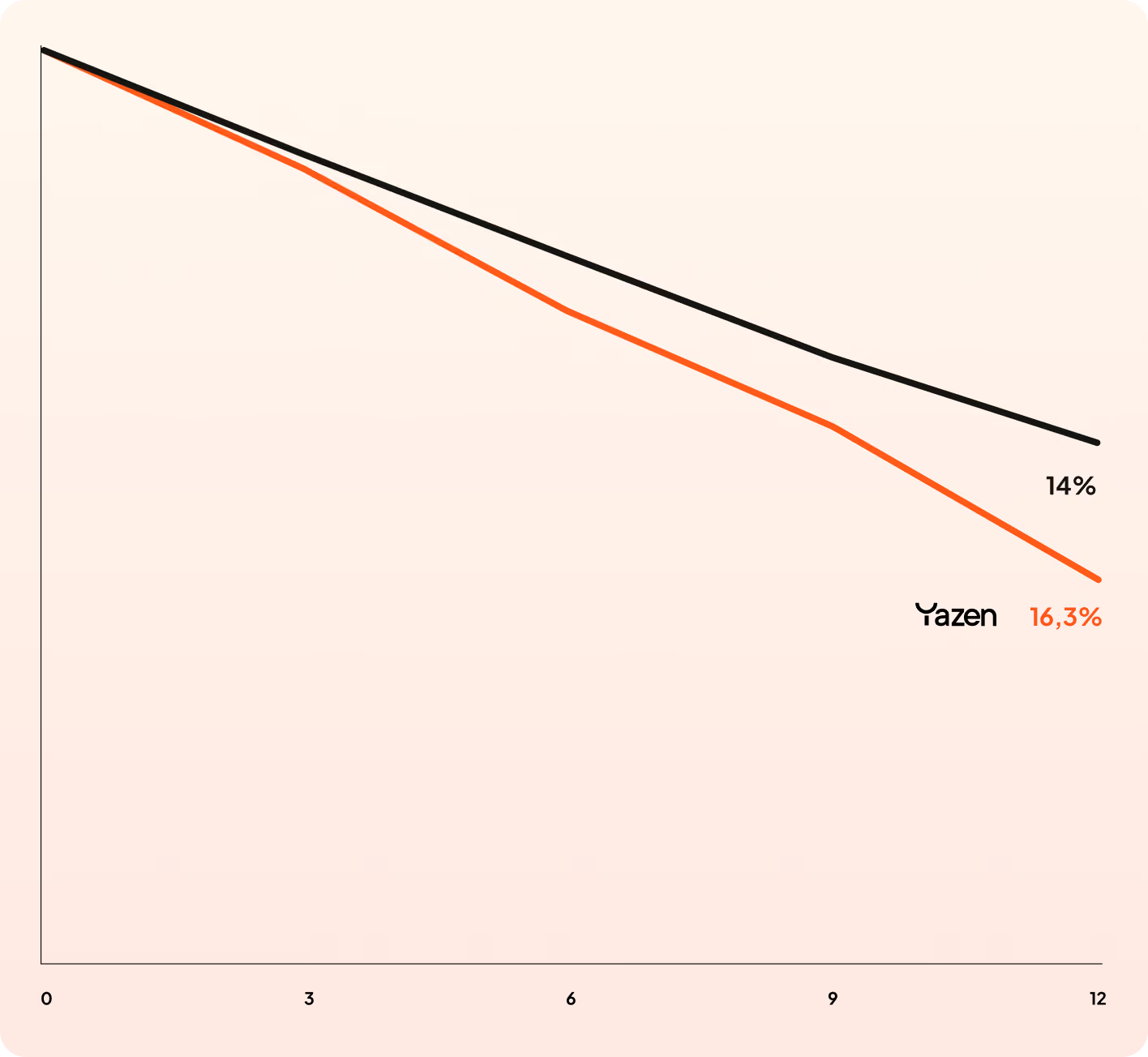
Clinical studies show that patients with type 2 diabetes achieve an average weight loss of 5–7% with Ozempic, while higher doses of semaglutide (Wegovy) can result in an average weight loss of up to 15–17% over the course of just over one year.
Actual weight loss varies from person to person and depends on factors such as starting weight, dosage, and how consistently lifestyle changes are followed. It is essential that treatment is combined with a healthy diet and regular physical activity, including a high-protein diet and strength training. Without adequate protein intake and strength training during a calorie deficit, the body may break down muscle mass instead of fat, reducing resting metabolic rate and negatively affecting long-term health.
Side effects of Ozempic
The most common side effects of Ozempic and other weight loss medications are nausea, diarrhoea, vomiting, and constipation. These are usually mild to moderate and most commonly occur at the beginning of treatment or after a dose increase.
There is also a risk of more serious side effects, such as inflammation of the pancreas (acute pancreatitis), which can cause severe abdominal pain, and low blood sugar (hypoglycaemia), particularly when Ozempic is used together with other diabetes medications such as insulin or sulfonylureas. Very rare side effects include non-arteritic anterior ischemic optic neuropathy (NAION), which can cause sudden vision loss.
These gastrointestinal side effects occur because the medication slows the digestive process. Symptoms can often be prevented or reduced by adjusting eating habits. Eating smaller meals, stopping at the first sign of fullness, and avoiding fatty, fried, or heavily spiced foods can significantly reduce the strain on the stomach. It is also important to drink plenty of fluids to reduce the risk of dehydration, especially if you experience nausea or diarrhoea.

FAQs:
Is it legal to buy Ozempic without a prescription?
No. Ozempic and all other medications containing semaglutide are prescription-only throughout the European Union. Purchasing them through unregulated online pharmacies poses a serious health risk, as the illegal market is filled with counterfeit products that may contain harmful or toxic substances.
What happens when you stop taking Ozempic?
When treatment is discontinued, the medication's hormonal support is removed, meaning that hunger and food noise often return. Obesity is a chronic disease, and unless healthy lifestyle habits have been firmly established, many people gradually regain weight.
Can you drink alcohol while taking Ozempic?
Yes, but with caution. Because Ozempic slows stomach emptying, alcohol may remain in the body for longer. This can increase the effects of alcohol and significantly raise the risk of nausea.
Does the pre-filled injection pen hurt?
No. Most patients find the injection to be almost painless. The pen uses an extremely short and thin micro-needle that is injected just beneath the skin into fatty tissue, where there are very few pain receptors.
Are all GLP-1 medications taken as a weekly injection?
Most GLP-1 medications currently available are administered, like Ozempic, as a weekly pre-filled injection pen. However, medications such as Rybelsus are available as a daily tablet.
Is Ozempic available as a tablet?
Yes. The same active ingredient, semaglutide, is also available as a daily tablet under the brand name Rybelsus. Rybelsus is primarily approved for the treatment of type 2 diabetes, but in selected cases it may be an alternative for patients who prefer not to use injections or are unable to do so.