Testosterone Deficiency in Men: How Excess Weight and Hormonal Imbalance Can Affect Energy and Sex Drive
Lower testosterone levels are more common in men living with excess weight or obesity. Some men develop a condition known as MOSH (Male Obesity-related Secondary Hypogonadism), where obesity and poor metabolic health contribute to low testosterone levels. Common symptoms include tiredness, reduced sex drive, lower energy levels and loss of muscle mass. For many men, weight loss can help improve hormone balance and reduce symptoms.
How are obesity, abdominal fat and testosterone linked?
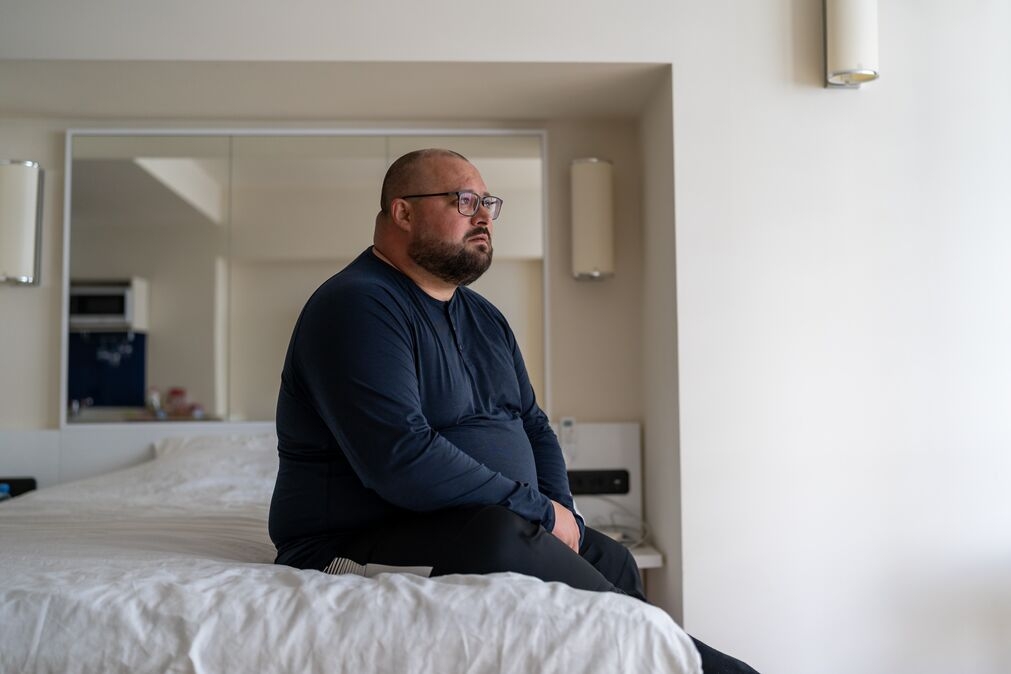
Excess weight and obesity, particularly excess abdominal fat, are associated with lower testosterone levels in men. Some men living with obesity develop a condition called MOSH (Male Obesity-related Secondary Hypogonadism), which describes low testosterone levels linked to obesity without a primary disorder affecting the testes or pituitary gland. MOSH is becoming increasingly recognised in men living with obesity.
The relationship is complex and involves several biological mechanisms. Fat tissue is hormonally active and contains the enzyme aromatase, which converts testosterone into oestrogen. As body fat increases, this conversion can increase, contributing to lower testosterone levels. Obesity is also linked to insulin resistance, low-grade inflammation and altered hormone regulation, all of which can affect the body's production of testosterone.
Lower testosterone levels may be associated with symptoms such as reduced sex drive, tiredness, loss of muscle mass and reduced wellbeing. At the same time, reduced muscle mass and lower levels of physical activity can make it harder to maintain a healthy weight, reinforcing metabolic imbalance over time.
Research shows that weight loss in men living with excess weight or obesity is often associated with improved testosterone levels and better metabolic health. Treating obesity is therefore an important part of managing MOSH for many men. The degree of improvement varies between individuals and is influenced by factors such as age, overall health and the amount of weight lost.

Why is testosterone deficiency often diagnosed late?
The symptoms of testosterone deficiency usually develop gradually and can be difficult to distinguish from other conditions. Tiredness, reduced sex drive, low energy, difficulty concentrating and loss of muscle mass can all have many different causes, meaning testosterone deficiency may go unnoticed for some time.
Testosterone levels naturally tend to decline with age, but this varies considerably between individuals. Factors such as obesity, chronic illness, poor sleep, stress, physical inactivity and certain medicines can also contribute to lower testosterone levels. Low testosterone is therefore not simply a consequence of ageing but is influenced by many aspects of overall health.
Because the symptoms are often non-specific, they are frequently attributed to ageing, stress or other life circumstances. A medical assessment together with blood tests is usually needed to determine whether symptoms are related to testosterone deficiency.
Tiredness, low sex drive and reduced motivation
Symptoms of testosterone deficiency vary between individuals, but common problems include tiredness, reduced sex drive, low energy and reduced physical performance. Some men also experience reduced muscle strength, difficulty concentrating or a general sense of reduced wellbeing.
Testosterone affects many functions in the body, including muscle mass, sexual function, energy levels and hormone balance. When testosterone levels are lower, these functions may be affected to varying degrees. However, the symptoms are often non-specific and may have other causes.
Erectile dysfunction may occur alongside testosterone deficiency, but it is also influenced by many other factors, including age, stress, medicines, diabetes and cardiovascular disease. Because erectile problems can sometimes be an early sign of an underlying medical condition, it is important to speak to a doctor if symptoms are new or persist.
As these symptoms can have many possible causes, both a medical assessment and blood tests are usually needed to determine whether they are related to testosterone deficiency.
Can weight loss improve testosterone levels in men living with excess weight?
Yes. Studies show that weight loss in men living with excess weight or obesity is often associated with higher testosterone levels, improved metabolic health and fewer symptoms.
Several biological mechanisms may contribute to this. As body fat decreases, the activity of the aromatase enzyme also decreases, reducing the conversion of testosterone into oestrogen. Weight loss can also improve insulin sensitivity and reduce the low-grade inflammation commonly seen in obesity.
Regular physical activity, particularly strength training, can help preserve or build muscle mass during weight loss. This supports physical function, metabolic health and healthy hormone balance.
The extent of improvement in testosterone levels varies between individuals. For some men, weight loss may also improve energy levels, sex drive and quality of life, although results depend on factors such as age, overall health and the amount of weight lost.
How is testosterone deficiency treated?
Treatment depends on the cause of the low testosterone levels, the severity of symptoms and overall health. The diagnosis cannot be made based on symptoms alone and usually requires both a medical assessment and repeated blood tests.
For men living with excess weight or obesity, treating obesity is an important part of management. Weight loss, regular physical activity, improved sleep habits and treatment of any underlying conditions can help improve hormone balance and increase testosterone levels.
In some cases, testosterone replacement therapy may be appropriate. Treatment is prescribed following an individual medical assessment and monitored regularly to ensure it is both safe and effective. Testosterone therapy is not recommended for all men with low testosterone, and the potential benefits should always be weighed against the risks.
Because testosterone deficiency often occurs alongside conditions such as obesity, type 2 diabetes, sleep apnoea and cardiovascular disease, treatment should address the person's overall health rather than focusing solely on hormone levels.
Summary
Testosterone is an important hormone that influences energy levels, sex drive, muscle mass and overall wellbeing in men. Lower testosterone levels are more common in men living with excess weight or obesity than in men with a healthy weight. The relationship is complex and is influenced by hormone balance, insulin resistance, inflammation and other metabolic factors.
Symptoms of testosterone deficiency may include tiredness, reduced sex drive and sexual function, low energy, loss of muscle mass and reduced physical performance. Because these symptoms are non-specific, diagnosis usually requires both a medical assessment and blood tests.
Some men living with obesity develop MOSH (Male Obesity-related Secondary Hypogonadism), a form of testosterone deficiency linked to excess weight and poor metabolic health. Weight loss is often associated with higher testosterone levels, improved metabolic health and reduced symptoms.
Treatment is tailored to the individual and may include lifestyle changes, weight loss, treatment of underlying conditions and, in some cases, testosterone replacement therapy. For men living with excess weight or obesity, improving metabolic health is often a key part of treatment and may contribute to better hormone balance and improved quality of life.
Frequently asked questions (FAQ)
When should I seek help for my testosterone levels?
If you have experienced symptoms such as tiredness, reduced sex drive, fewer morning erections, reduced muscle strength or low energy for a prolonged period, it may be worth discussing testosterone testing with your doctor. Obesity, type 2 diabetes and other metabolic conditions are also associated with an increased risk of low testosterone levels. Diagnosing testosterone deficiency usually requires both a medical assessment and blood tests because the symptoms can have many different causes.
Is low testosterone common in men living with excess weight or obesity?
Yes. Lower testosterone levels are more common in men living with excess weight or obesity, particularly those with significant abdominal fat. The relationship is influenced by several factors, including hormone balance, insulin resistance and other metabolic changes associated with obesity.
Will testosterone treatment get rid of my belly fat?
No. Testosterone therapy is not a treatment for obesity and is not recommended solely to treat excess weight or reduce abdominal fat. Although it may improve muscle mass, energy levels and quality of life in some men, reducing abdominal fat usually requires changes to diet, physical activity and other lifestyle habits.
For men living with excess weight or obesity, weight loss is often an important part of treatment because reducing abdominal fat can help improve testosterone levels and metabolic health. Treatment should therefore focus on the underlying cause, obesity, alongside any hormonal assessment.
Why do I lose muscle mass when my testosterone levels fall?
Testosterone plays an important role in maintaining muscle mass and strength in men. When testosterone levels are lower, the body's ability to build and maintain muscle tissue is reduced, which over time can contribute to muscle loss and reduced physical performance.

This is how you can start today

Sign up through our website
Answer a few questions within 2 minutes so we can better understand you and your goals. To submit your responses, securely log in using iDIN. This is a trusted online identification method that allows you to easily confirm your identity and age. Want to learn more about iDIN? Click here for more information.


Download the Yazen app
Continue your journey in our app. Download the Yazen app from the App Store or Google Play, and log in to get started right away.
Complete your health profile
Together with your YazenCoach, you'll answer a few more questions in the app to complete your profile.
Plan your blood test
To determine if you’re eligible for the treatment, we conduct a comprehensive blood test. We partner with Labplusarts, the leading provider of blood tests. You can easily request a blood test through their website, and you'll always find a location nearby.
*If the test results indicate that the treatment is unsuitable, you’ll receive a refund for the blood test cost (€119).
Discuss your treatment plan
If the blood test results show that the treatment is suitable for you, you’ll meet your doctor. Together, you’ll create a personalised treatment plan tailored to your needs.
Your journey can begin!
If you’re satisfied with the treatment plan, the costs, the medication, and the expected results, we can get started.