
Lipedema: causes, symptoms and medical treatment
Lipedema is a chronic condition affecting fat tissue that primarily affects women. It causes a disproportionate build-up of fat, most commonly in the legs, hips and sometimes the arms, and can lead to symptoms such as pain, tenderness, swelling and easy bruising.
Lipedema is sometimes mistaken for overweight or obesity, but it is a separate condition with different underlying mechanisms. At the same time, overweight and obesity often occur alongside lipedema, which can affect symptoms, mobility and quality of life.
PCOS-test
How do you know if you have Polycystic Ovary Syndrome (PCOS)?
Take this test to see if you have symptoms of PCOS that should be evaluated and, if necessary, treated.
All of the options must be filled in.
One of the values is not a correct number.
What causes lipedema?
The exact cause of lipedema is not yet fully understood, but research suggests that both genetic and hormonal factors play an important role. The condition primarily affects women and often first develops or worsens during periods of hormonal change, such as puberty, pregnancy or menopause.
In lipedema, changes occur in the fat tissue that lead to a disproportionate build-up of fat, most commonly in the legs, hips and sometimes the arms. The fat tissue may also become more tender and sensitive to pressure, and many people with lipedema bruise easily.
Research also suggests that the connective tissue and the small blood and lymphatic vessels within the affected tissue may be altered. This may contribute to symptoms such as a feeling of heaviness, swelling and discomfort in the legs. Exactly how these changes develop and the role they play in the progression of the condition are still being investigated.
Symptoms of lipedema
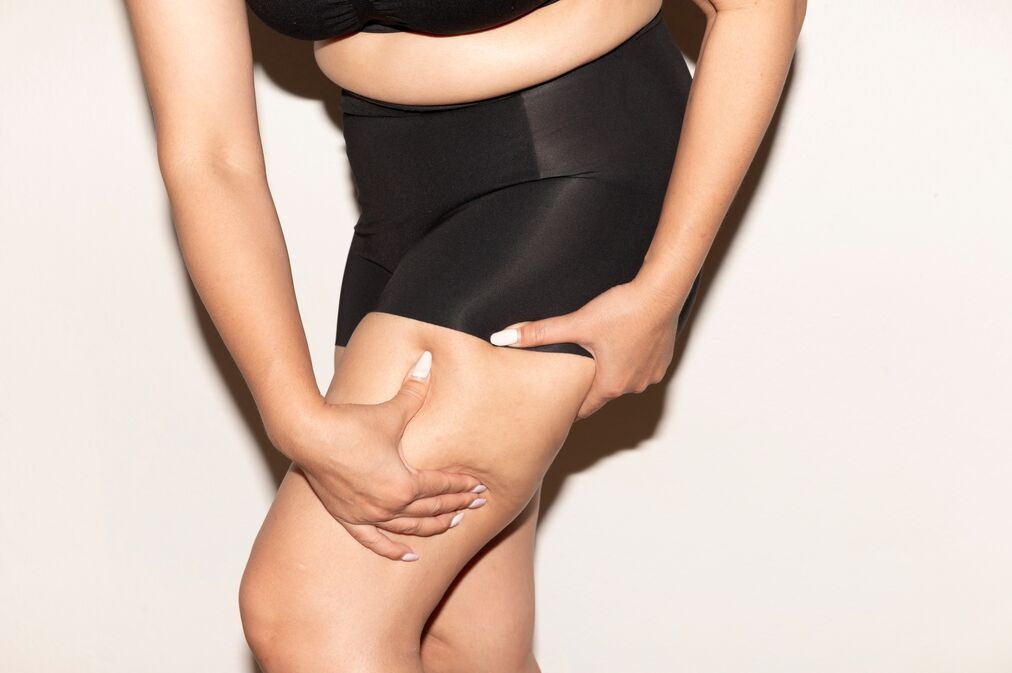
Lipedema is typically characterised by a symmetrical and disproportionate build-up of fat tissue, mainly affecting the legs, hips and buttocks. In some people, the arms are also affected. The fat distribution often contrasts with the upper body, creating the impression that the lower body is disproportionately large.
Many people with lipedema also experience pain, tenderness and a feeling of heaviness in the affected areas. Symptoms can vary over time and may worsen during the day, in warm weather or after prolonged periods of sitting or standing.
Common symptoms of lipedema include:
- Pain and tenderness – The fat tissue may be sensitive to pressure, touch or tight-fitting clothing.
- Easy bruising – Many people with lipedema find that bruises develop more easily than usual.
- Heaviness and swelling – The legs may feel heavy, tight or swollen, particularly later in the day.
- Changes in tissue texture – The fat tissue may feel uneven or lumpy beneath the skin.
- Symmetrical symptoms – The changes usually affect both legs or both arms in a similar way.
Unlike lymphoedema, the hands and feet are often unaffected in lipedema, although there can be some variation. Diagnosis is based on an overall assessment of symptoms, medical history and a clinical examination.
.webp)
How is lipedema different from obesity?
Lipedema and obesity are two different conditions, although they can sometimes occur together. Obesity is a chronic disease characterised by an increased amount of body fat and is influenced by biological, genetic, psychological and environmental factors. In obesity, fat is generally distributed more evenly throughout the body.
Lipedema, on the other hand, involves a disproportionate build-up of fat tissue, most commonly in the legs, hips and sometimes the arms. Many people with lipedema also experience symptoms such as pain, tenderness, a feeling of heaviness and easy bruising, which are not typical features of obesity.
Another difference is that fat tissue affected by lipedema often responds less to weight loss than fat tissue elsewhere in the body. As a result, people with lipedema may notice weight loss in other areas of the body while the affected areas change to a much lesser extent.
At the same time, it is common for lipedema and obesity to occur together. For people living with both conditions, weight loss can contribute to improved health, reduced strain on the joints and better physical function, even though lipedema itself does not disappear.
Treatment for lipedema
There is currently no cure for lipedema, so treatment focuses primarily on reducing symptoms, improving physical function and enhancing quality of life. The most appropriate treatment depends on the severity of symptoms, the extent of the condition and the individual's needs.
Treatment often involves several different approaches. Compression garments may help some people reduce feelings of heaviness, swelling and discomfort in the affected areas. Physical activity, tailored exercise programmes and support to maintain or improve physical function are also important parts of treatment.
Where appropriate, treatment from a physiotherapist or lymphoedema therapist may be recommended. Manual lymphatic drainage is sometimes used as an additional therapy to help relieve symptoms, particularly when swelling is also present.
For people living with overweight or obesity alongside lipedema, weight loss can contribute to better health, improved mobility and reduced strain on the joints. However, weight loss does not eliminate lipedema itself.
In cases of severe symptoms, liposuction may be considered as a surgical treatment option. The aim is to reduce the amount of affected fat tissue and relieve symptoms such as pain, heaviness and reduced physical function. Suitability is assessed on an individual basis, and surgery is usually considered only after other treatment options have been tried.

Weight loss with lipedema: supporting better health and physical function
Many people with lipedema experience pain, a feeling of heaviness and reduced physical function, which can make it more difficult to maintain an active lifestyle. When overweight or obesity is also present, this may further affect mobility and day-to-day activities.
For people living with lipedema and overweight or obesity, weight loss can contribute to improved health, greater mobility and a better quality of life. Although lipedema itself does not disappear with weight loss, reducing overall body weight can lessen the strain on the joints and make it easier to stay physically active.
It is important to have realistic expectations. During weight loss, body fat often decreases overall, but areas affected by lipedema may change less than the rest of the body. Even so, weight loss can bring significant health benefits and contribute to improved physical function and quality of life.
Summary
Lipedema is a chronic condition affecting fat tissue that primarily affects women. It is characterised by a disproportionate build-up of fat tissue, most commonly in the legs and hips. Common symptoms include pain, tenderness, a feeling of heaviness and easy bruising.
Lipedema is not the same as obesity, although the two conditions often occur together. Treatment aims to reduce symptoms and improve physical function through measures such as compression therapy, physical activity and, in some cases, surgery. For people living with overweight or obesity alongside lipedema, weight loss can contribute to better health, improved mobility and a better quality of life.

Can medical weight loss support people with lipedema and improve quality of life?
For people living with lipedema and overweight or obesity, medical weight loss may be used alongside lifestyle changes. The treatment targets the overweight or obesity rather than the lipedema itself.
Modern weight loss medications, including GLP-1-based treatments, affect the body's hunger and fullness signals. Many people experience reduced hunger, feeling full sooner and spending less time thinking about food, which can support long-term weight loss.
For people living with overweight or obesity, weight loss can contribute to reduced strain on the joints, improved mobility and better cardiometabolic health. The extent of improvement varies between individuals and depends on both the amount of weight lost and the severity of the lipedema.
At Yazen, medication is combined with support from doctors and other healthcare professionals. Treatment is tailored to each person's health, goals and circumstances and also includes support with nutrition, physical activity, sleep and other lifestyle habits.

This is how you can start today

Sign up through our website
Answer a few questions within 2 minutes so we can better understand you and your goals. To submit your responses, securely log in using iDIN. This is a trusted online identification method that allows you to easily confirm your identity and age. Want to learn more about iDIN? Click here for more information.


Download the Yazen app
Continue your journey in our app. Download the Yazen app from the App Store or Google Play, and log in to get started right away.
Complete your health profile
Together with your YazenCoach, you'll answer a few more questions in the app to complete your profile.
Plan your blood test
To determine if you’re eligible for the treatment, we conduct a comprehensive blood test. We partner with Labplusarts, the leading provider of blood tests. You can easily request a blood test through their website, and you'll always find a location nearby.
*If the test results indicate that the treatment is unsuitable, you’ll receive a refund for the blood test cost (€119).
Discuss your treatment plan
If the blood test results show that the treatment is suitable for you, you’ll meet your doctor. Together, you’ll create a personalised treatment plan tailored to your needs.
Your journey can begin!
If you’re satisfied with the treatment plan, the costs, the medication, and the expected results, we can get started.


