Joint Pain and Osteoarthritis in Men: When Excess Weight Affects the Joints
Joint pain and osteoarthritis are common conditions and occur more frequently in people living with overweight or obesity. Many experience gradually increasing pain, stiffness or reduced mobility in areas such as the knees, hips or back. For people living with overweight, weight loss can reduce the strain on the joints and contribute to improved function and quality of life.
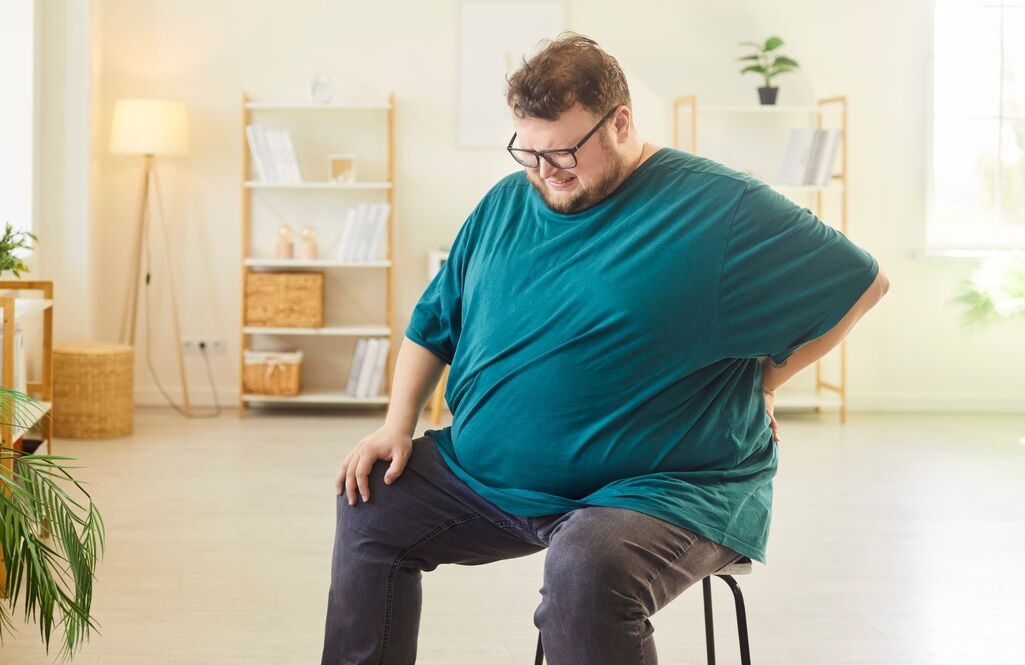
Why Does Excess Weight Increase the Risk of Joint Pain and Osteoarthritis in Men?
Overweight and obesity are important risk factors for both joint pain and osteoarthritis. The relationship is not only due to the increased load placed on the joints by higher body weight, but also because obesity is associated with metabolic and inflammatory changes that can affect joint health.
As body weight increases, weight-bearing joints such as the knees and hips are exposed to greater strain with every step and movement. Over time, this can contribute to faster breakdown of joint cartilage and the development or worsening of symptoms such as pain, stiffness and reduced mobility.
At the same time, fat tissue is biologically active and produces substances that can influence the body's inflammatory processes. Research suggests that these metabolic changes may contribute to the development of osteoarthritis and joint problems, even in joints that are not heavily affected by body weight.
In men, overweight often occurs alongside abdominal obesity, insulin resistance and other metabolic risk factors. As a result, joint pain and osteoarthritis are often viewed as part of a broader health picture in which body weight, metabolism and physical function all influence one another.
For people living with overweight or obesity, weight loss can reduce the strain on the joints, improve physical function and contribute to less pain. The degree of improvement varies between individuals and depends, among other factors, on the severity of osteoarthritis and the amount of weight lost.

What Is Osteoarthritis?
Osteoarthritis is a common joint disease in which the joint gradually changes over time. It was previously described as simple “wear and tear” of the joint cartilage, but today we know that the disease affects the entire joint, including cartilage, bone, the joint capsule and surrounding tissues.
Common symptoms include pain, stiffness and reduced mobility. Symptoms often develop gradually and are most common in the knees, hips and hands. Back problems are also common among people with osteoarthritis and other age-related changes affecting the musculoskeletal system. Many people notice that their joints feel stiff after rest or in the morning and that pain increases with activity.
The risk of osteoarthritis increases with age, but several other factors also influence risk. Previous joint injuries, genetics, overweight and obesity are among the most important risk factors. For people living with overweight or obesity, joints are exposed to greater strain while metabolic and inflammatory processes may also contribute to disease development.
Although osteoarthritis cannot be cured, there are effective ways to reduce symptoms and improve function. Physical activity, exercise, weight loss in people with overweight and other individually tailored treatments are important parts of management.
When Joint Pain Makes It Harder to Stay Active
Joint pain and osteoarthritis can make it more difficult to move and stay physically active. Many people avoid activities such as walking, exercise or other movements that trigger pain, which is a natural response when joints hurt.
At the same time, physical activity is important for joint health, muscle strength and weight regulation. When activity levels decrease over time, the muscles around the joints can become weaker, which may reduce joint stability and function. This can also make it more difficult to maintain a healthy weight.
For people living with overweight or obesity, this can contribute to a vicious cycle in which joint pain leads to reduced physical activity, which in turn makes weight management more difficult and increases strain on the joints even further.
This is why it is often important to find forms of physical activity that remain manageable despite pain. Adapted exercise, stronger muscles and weight loss can work together to reduce strain on the joints, improve function and enhance quality of life.

How Weight Loss Can Help Reduce Joint Pain
For people living with overweight or obesity, weight loss is an important part of treatment for joint pain and osteoarthritis. As body weight decreases, the load on weight-bearing joints such as the knees, hips and back is reduced, which can contribute to less pain and improved mobility.
Research shows that weight loss can improve both symptoms and physical function in people with osteoarthritis and overweight. Increased physical activity and stronger muscles can also improve joint stability and make everyday activities easier.
For some people living with obesity, weight-loss medications, such as GLP-1-based treatments, may be used alongside dietary changes and physical activity. By supporting significant and sustainable weight loss, these medications can help reduce strain on the joints and improve overall health.
For many people, treatment is not only about body weight itself but about reducing pain, improving physical function and creating better conditions for an active life.
At Yazen, treatment is tailored to the individual. Doctors, coaches and, when needed, other healthcare professionals work together to support long-term weight loss, improved health and sustainable lifestyle habits.
Summary
Joint pain and osteoarthritis are common in men living with overweight or obesity. Higher body weight increases strain on the joints. For people living with overweight, weight loss can contribute to less pain, improved physical function and better quality of life. Physical activity, adapted exercise and, when appropriate, medical weight management are important parts of treatment.

Frequently Asked Questions About Joint Pain, Osteoarthritis and Overweight (FAQ)
Is It Dangerous to Be Physically Active, Such as Walking or Cycling, When My Knees Hurt?
No. Physical activity is often recommended as an important part of osteoarthritis treatment. Many people can remain active despite some pain. A common rule of thumb is that any increase in pain after exercise should return to its usual level within about 24 hours. If the pain becomes significantly worse or lasts longer than that, the level of activity may need to be adjusted.
Activities such as cycling and swimming can help improve joint function, strengthen muscles and reduce stiffness while placing less body weight directly on the joints. It can also be helpful to work with a physiotherapist or occupational therapist to ensure that exercise is appropriate and does not place unnecessary strain on the joints.
Can Weight Loss Reduce Pain Caused by Osteoarthritis?
Yes. For people living with overweight or obesity, weight loss can reduce strain on the joints and contribute to less pain, improved mobility and better physical function. The extent of improvement varies between individuals.
Is Osteoarthritis Just a Sign of Ageing?
No. The risk of osteoarthritis increases with age, but factors such as overweight, previous joint injuries, genetics and physical strain also influence the likelihood of developing the condition.
Can I Exercise If I Have Osteoarthritis?
Yes. Adapted physical activity is often recommended as an important part of treatment. Exercise can strengthen the muscles around the joint, improve function and reduce symptoms over time.
Can Weight-Loss Medication Help with Joint Pain and Osteoarthritis?
For people living with overweight or obesity, weight-loss medication may be used alongside dietary changes and physical activity. By supporting weight loss, these treatments can reduce strain on the joints and contribute to improved symptoms.
Do I Need Surgery for Osteoarthritis?
No. Most people with osteoarthritis do not need surgery. Treatment primarily consists of physical activity, exercise, weight loss for those living with overweight and other measures that can reduce symptoms and improve function. Surgery may be considered in some cases when symptoms are severe and other treatments have not provided sufficient benefit.
This is how you can start today

Sign up through our website
Answer a few questions within 2 minutes so we can better understand you and your goals. To submit your responses, securely log in using iDIN. This is a trusted online identification method that allows you to easily confirm your identity and age. Want to learn more about iDIN? Click here for more information.


Download the Yazen app
Continue your journey in our app. Download the Yazen app from the App Store or Google Play, and log in to get started right away.
Complete your health profile
Together with your YazenCoach, you'll answer a few more questions in the app to complete your profile.
Plan your blood test
To determine if you’re eligible for the treatment, we conduct a comprehensive blood test. We partner with Labplusarts, the leading provider of blood tests. You can easily request a blood test through their website, and you'll always find a location nearby.
*If the test results indicate that the treatment is unsuitable, you’ll receive a refund for the blood test cost (€119).
Discuss your treatment plan
If the blood test results show that the treatment is suitable for you, you’ll meet your doctor. Together, you’ll create a personalised treatment plan tailored to your needs.
Your journey can begin!
If you’re satisfied with the treatment plan, the costs, the medication, and the expected results, we can get started.