
Henrik Lundvall
Henrik has extensive experience in senior roles within international media and tech companies, including TT, Expressen, Microsoft, Axel Springer and Lifesum. At Yazen, he is Head of Content, with responsibility for strategy, marketing and in-app content, working closely with product, medical and tech teams.



.jpg)

Why you shouldn’t use GLP-1 during pregnancy. How it can affect you and your baby
Pregnancy brings big changes to the body, so it’s completely natural to wonder what’s safe when it comes to medication. Can you use GLP-1 treatments like Ozempic or Wegovy while pregnant? Here, we’ll walk through what the research says, why these medicines aren’t recommended during pregnancy, and what to think about if you’re pregnant or planning to be.
.jpg)
What happens if you stop taking GLP-1?
Stopping GLP-1 treatment, such as Ozempic, Wegovy or Mounjaro, raises a lot of questions for people who’ve used it to lose weight. What actually happens in your body? Will the weight come back? Can you keep the results?
Here, we’ll walk through what the research shows about what tends to happen when treatment comes to an end.
.jpg)
Common side effects of GLP-1 medications and how to manage them
Side effects are common with GLP-1 medications, especially at the start of treatment or when the dose is increased. For most people, they are mild to moderate and tend to affect the stomach and gut. They usually ease as your body adjusts. With the right advice around food, fluids and dosing, discomfort can often be reduced so treatment can continue safely. Here we’ll walk through common side effects and practical tips to help.
%20(1).jpg)
GLP-1 for weight loss
GLP-1 has quickly become an important part of treatment for people living with overweight and obesity. If you’ve struggled for years with constant hunger, cravings or weight regain, this treatment can offer much-needed biological support. But how does GLP-1 actually work in the body, and why can it help with more sustainable weight loss? Here we explain how it works and who it may be suitable for.
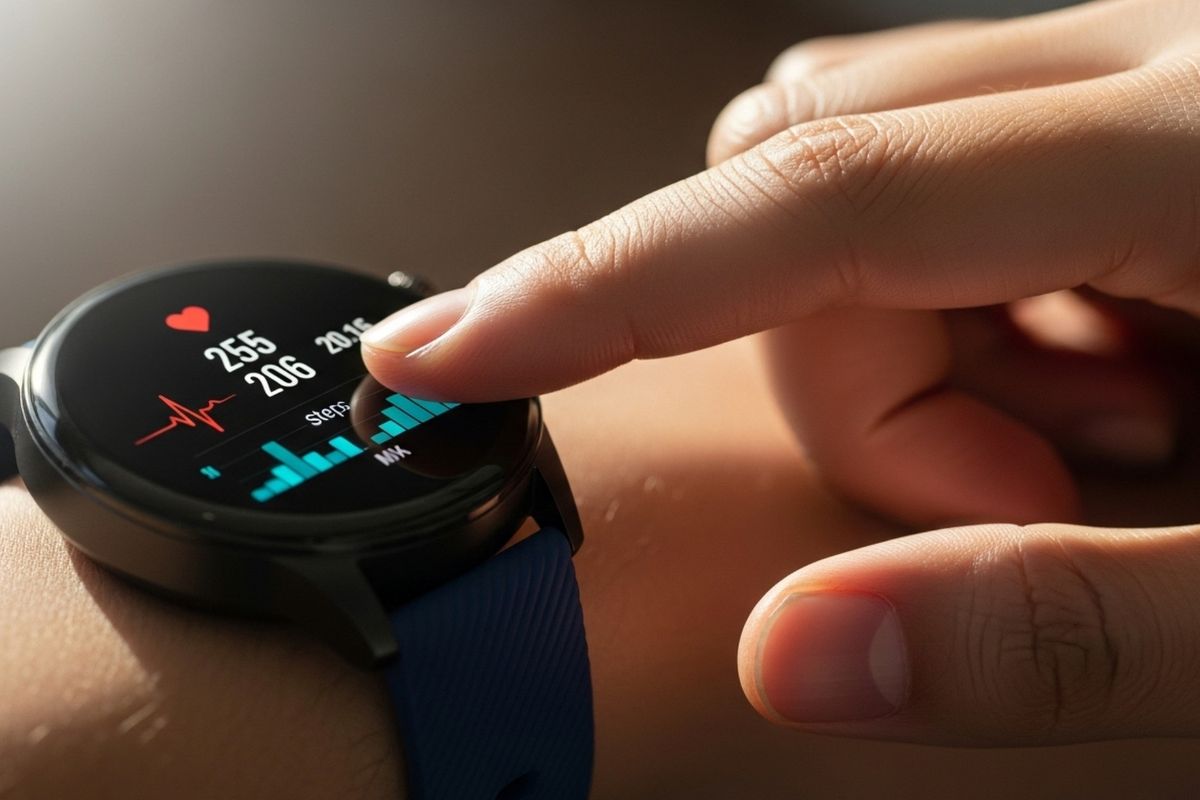
Smartwatch training: A tech tool to support movement, health and weight loss
Smartwatches and fitness trackers have become a common way to support exercise and overall health. For many people, a smartwatch can help you become more aware of your movement, sleep and day to day habits. It also works as an extension of your smartphone, letting you see notifications, control music and use apps straight from your wrist. But how can you use a smartwatch in a way that actually feels helpful when it comes to exercise and weight loss?

Asthma, exercise and obesity: what the science says, risks and practical guidance
Exercising with asthma is not only possible, it is often recommended. That said, being active can raise a lot of questions if you live with asthma. Could exercise make symptoms worse? Which types of activity are safer? And how should training be adapted?
In this guide, we look at what research says about exercise and asthma, the link between asthma and obesity, how weight loss may affect asthma control, and how to stay active in a safe and supportive way.

Diabetes medicines, weight loss and long-term health
Searches for diabetes medicines and weight loss have risen sharply. Lots of people want to understand the connection and who this kind of treatment might be right for. Some medicines originally developed for type 2 diabetes can also lead to weight loss. In this article, we explain how diabetes medicines and weight loss are linked, and which treatments may help support weight loss.
.jpg)
Weight loss with medication
Interest in medication to treat obesity has grown a lot in recent years. Obesity is a long-term, complex condition. It is not just about body weight, but about overall health and the risk of related conditions. Its complexity reflects the many factors involved, including genetics, hormones, everyday habits, and the environment we live in.

Levothyroxine for weight loss: myths and risks
On social media and blogs, it’s sometimes claimed that levothyroxine can be used for weight loss. For people living with overweight or obesity, it can be confusing to know what’s actually true. This article explains the risks and what may be useful to know about levothyroxine and weight loss.
