Startups shifting to GLP-1s to tap into $150bn weight loss market
GLP-1 weight loss drugs like Wegovy are attracting startups and investors, aiming to tap into the projected $150bn market despite supply and reimbursement challenges


GLP-1 weight loss drugs like Wegovy are attracting startups and investors, aiming to tap into the projected $150bn market despite supply and reimbursement challenges
The rapid rise of GLP-1 weight loss drugs, such as Wegovy and Ozempic, has attracted major attention from investors and startups. Initially developed for diabetes treatment, these drugs are now highly effective for weight loss, with projected sales reaching $150bn by 2030. Companies like Novo and Eli Lilly have seen soaring valuations, and startups like Yazen are incorporating these drugs into their services. However, supply chain challenges and limited reimbursement from European healthcare systems pose significant hurdles for growth in this high-potential market.
The rise of GLP-1 weight loss drugs like Wegovy and Ozempic has drawn significant attention from both investors and startups. This "miracle" drug class, initially developed to treat diabetes, has proven to be highly effective in promoting weight loss, with projections for sales reaching $150bn by the early 2030s.
Pharma giants like Novo and Eli Lilly have seen their valuations skyrocket, with Novo even surpassing luxury brand LVMH as Europe’s most valuable company. In the US, the popularity of these drugs has impacted consumer behaviour, with grocery sales reportedly dropping as users reduce food intake due to appetite suppression. The widespread use of GLP-1 drugs has even helped bolster Denmark's economy by propping up its GDP.
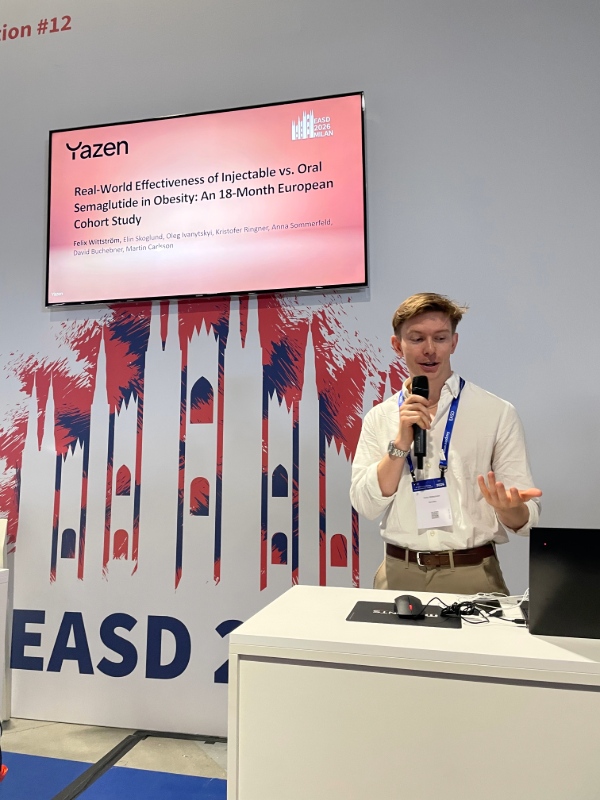
Startups are seizing the opportunity by integrating GLP-1s into their treatment offerings. Oviva, a Swiss-based weight loss management platform, started offering these medications in 2023 and has seen significant growth. Other European startups, such as Embla and Yazen, have also shifted focus to include GLP-1 drugs in their services, raising millions in funding.
Despite the potential, there are still obstacles. In Europe, the supply of GLP-1 drugs remains limited, with manufacturers like Eli Lilly and Novo prioritising the US market due to higher pricing. Startups are also grappling with the challenge of scaling in a market where national healthcare systems are slow to reimburse treatments involving GLP-1 drugs. Companies like Oviva, which have already secured NHS reimbursement, have a head start, but many others are still in negotiations with health systems across Europe.
The key to future growth lies in addressing these barriers, including supply chain issues, securing more funding, and expanding access to national healthcare systems. While some US startups have raised significant capital, European companies have yet to see comparable investments.
As GLP-1 drugs continue to gain attention and transform the weight loss landscape, the question remains whether European startups can scale and thrive in this competitive, high-potential market.
Read the full article at Sifted.